
Buenos Aires Gaucho Day Tour Review: A Cultural Ranch Experience from San Antonio de Areco
On the last day of our trip to Buenos Aires, we found ourselves in that familiar travel gap that can happen on international trips. Our hotel checkout was at 12:30 p.m., but our flight back to the United States was not leaving until around 11:00 p.m. We could have spent the day waiting around the hotel, but that did not feel like the best way to end our time in Argentina.
Instead, we booked the Buenos Aires: Guided Gaucho Day Tour at a Ranch, and it turned out to be one of the most memorable experiences of our trip.
What made this excursion so worthwhile was not just that it filled the time before a late flight. It gave us a chance to experience another side of Argentina beyond the city, one rooted in countryside traditions, food, horsemanship, music, and gaucho culture.
Why We Chose a Gaucho Day Tour
This was not actually part of our original plan.
On our first night in Buenos Aires, we had booked an asado dinner in a residential neighborhood of the city. That was also a small-group experience, with around 12 to 14 people, and during the evening one of the families mentioned they were planning to do a gaucho tour the next day. It sounded like such a fun and different experience that it stayed in the back of our minds.
So when our final day in Buenos Aires came around and we realized we had hours to fill before our flight, this tour felt like the perfect answer. It gave us something meaningful to do rather than sit around the hotel, and it also fit the way we usually like to travel. Whenever we go somewhere new, we try to include experiences that feel connected to the local culture and not just the standard tourist checklist.
Of course, it is never easy to fully experience a culture as a visitor. People know you are a tourist. But this day still felt far more authentic than I expected, and that is one of the reasons it stood out so much.
Hotel Pickup and the Drive Into the Countryside
The tour operator picked us up right in front of our hotel in downtown Buenos Aires at about 8:30 or 9:00 in the morning. That made the logistics very easy, especially on a departure day when we did not want to be worrying about transportation or timing.
From pickup, it took about two hours to reach San Antonio de Areco, including a short stop about halfway through the drive at a rest stop and gas station so everyone could use the restrooms and stretch their legs.
What made that stop interesting was that it was more than just a practical break. There was a little store there with traditional gaucho clothing, cutlery, and other items connected to gaucho life. It was really interesting to browse. Even before we got to Areco or the ranch, it gave us a visual introduction to the world we were about to learn more about.
During the drive, our tour guide helped frame the day by explaining what a gaucho is, how gauchos emerged in Argentina, the role they played in rural life, and the symbolism associated with the clothing they wore. That context added a lot to the experience. By the time we arrived, we were not just watching an activity designed for visitors. We had a better understanding of the tradition behind it.
The guide also gave us a chance to try mate and explained how it became such an important part of gaucho traditions and Argentine daily life. It was a small detail, but it made the experience feel more layered and more cultural right from the start.
Leaving the City Behind: San Antonio de Areco
Our first official stop was San Antonio de Areco, often simply called Areco, a town closely associated with gaucho heritage and Argentina’s rural traditions.
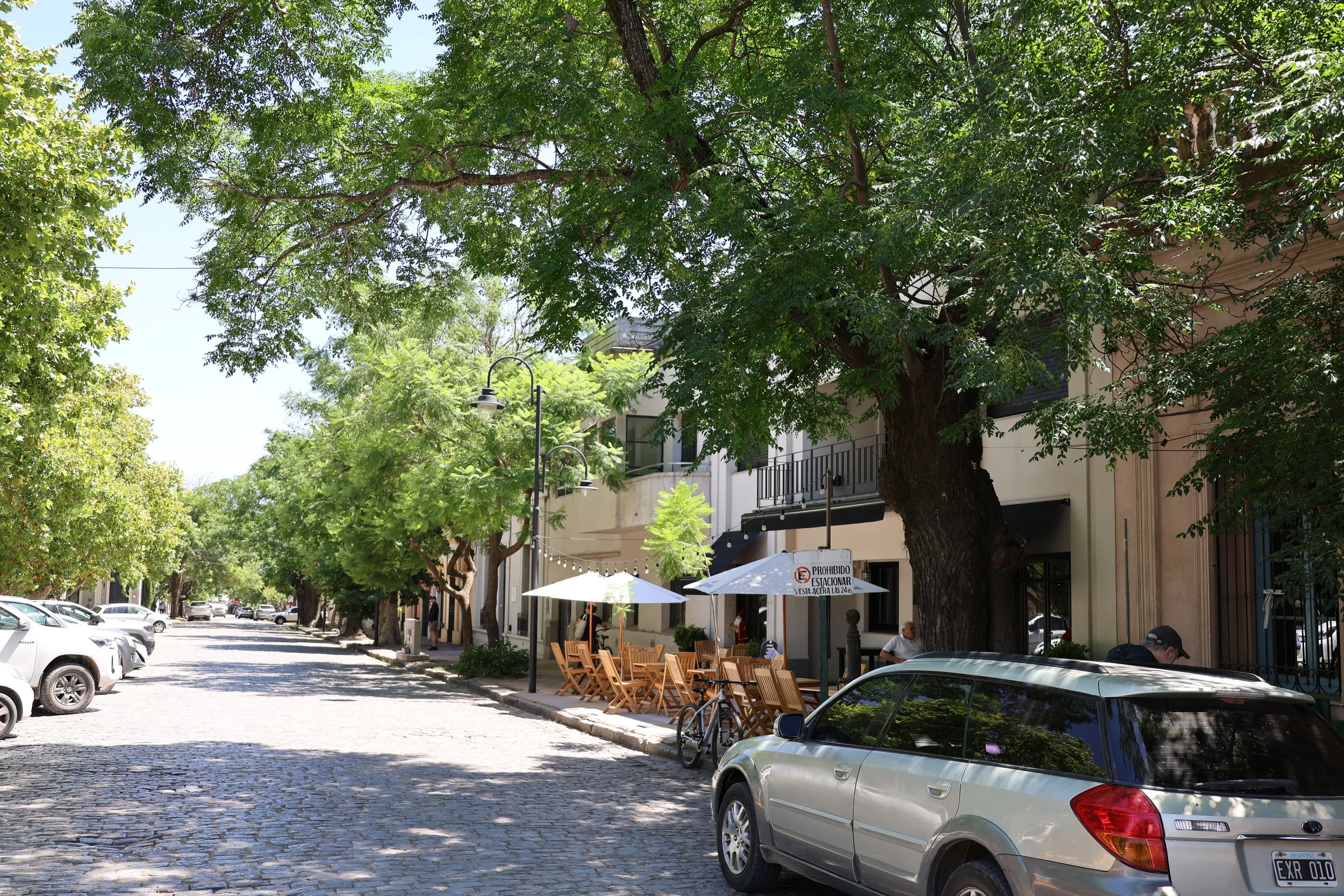
We visited on January 4, 2026, which happened to be a Sunday, so when we arrived the town square was very quiet. There was not much open. We noticed a sidewalk café and a small shop that felt a bit like a convenience store, but overall the town had a calm, still atmosphere.
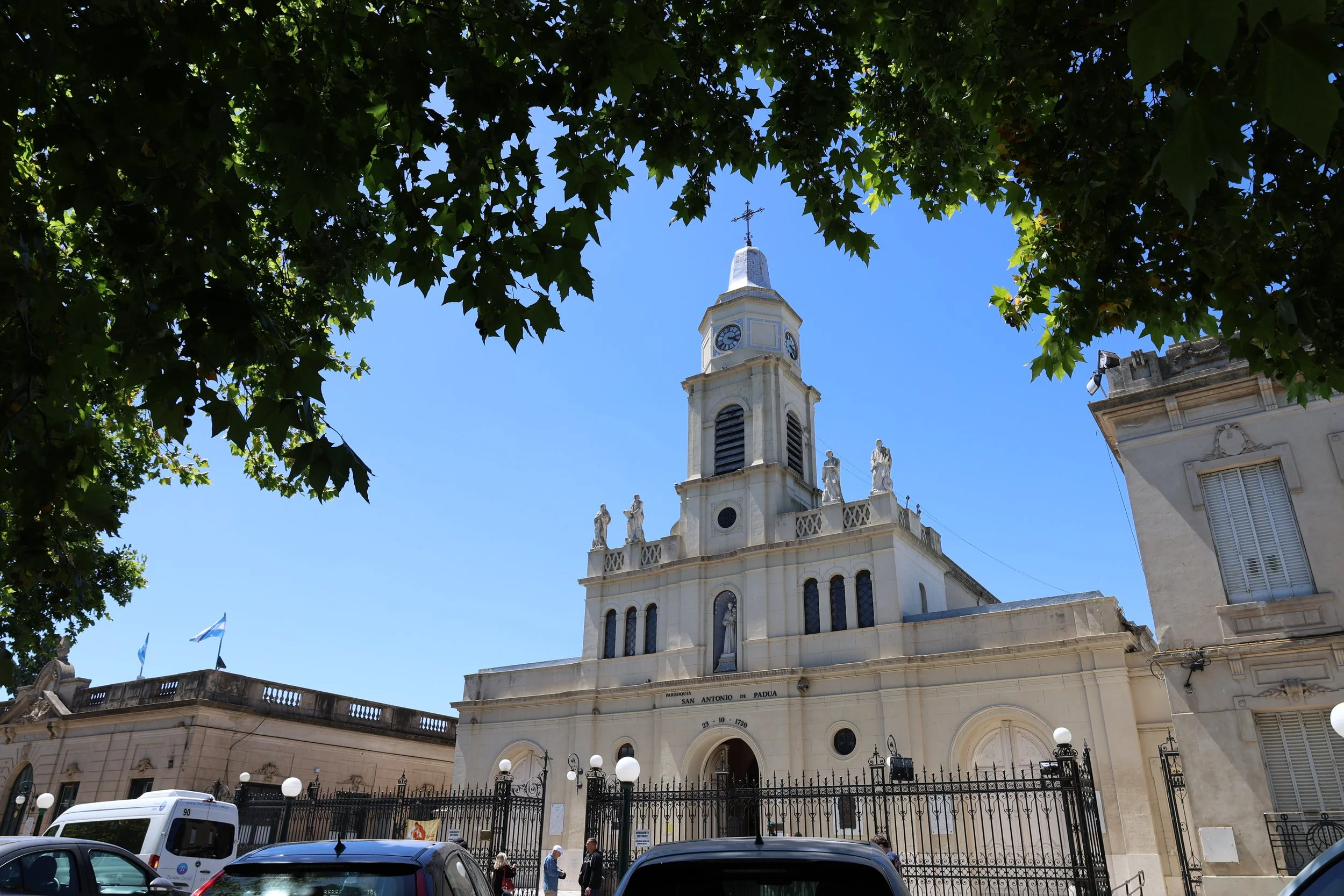
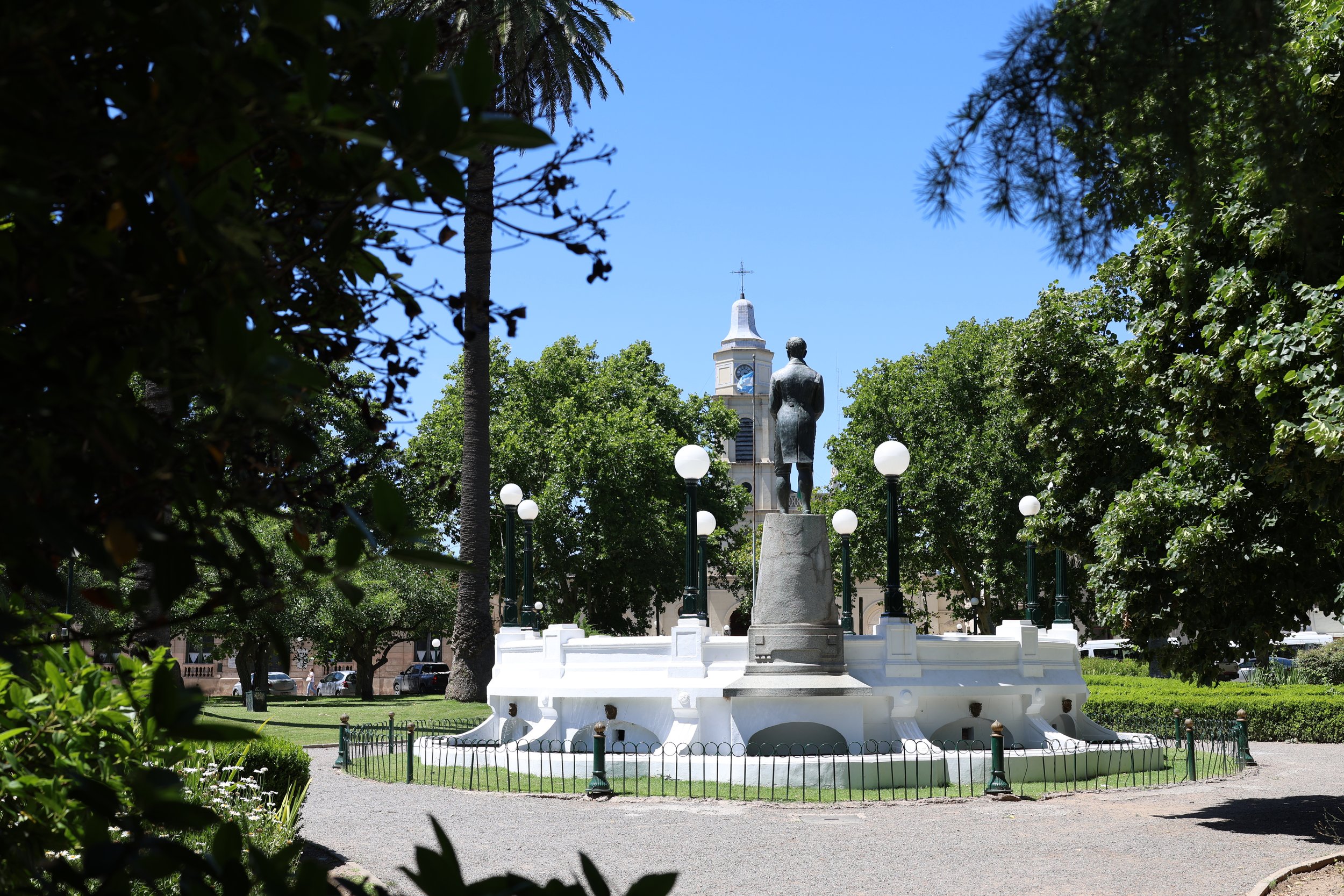
We only spent about 45 minutes there, but it was enough time to appreciate the setting. We stopped in front of the cathedral and had the option to go inside or simply walk around the square. In the center was a beautiful park, and the whole area had a feeling of authenticity and local pride. Even though it was quiet, it felt like one of those towns where the community really cares about its identity and history.
In its own way, Areco reminded me of some of the rural towns in Sonoma Valley outside San Francisco, California. It had that same slower rhythm and small-town charm that stands in contrast to the energy of a nearby major city. It was a fitting introduction to the countryside setting we were about to experience for the rest of the day.
Arrival at the Ranch
After leaving Areco, we continued on to the ranch, and the arrival made a strong first impression.
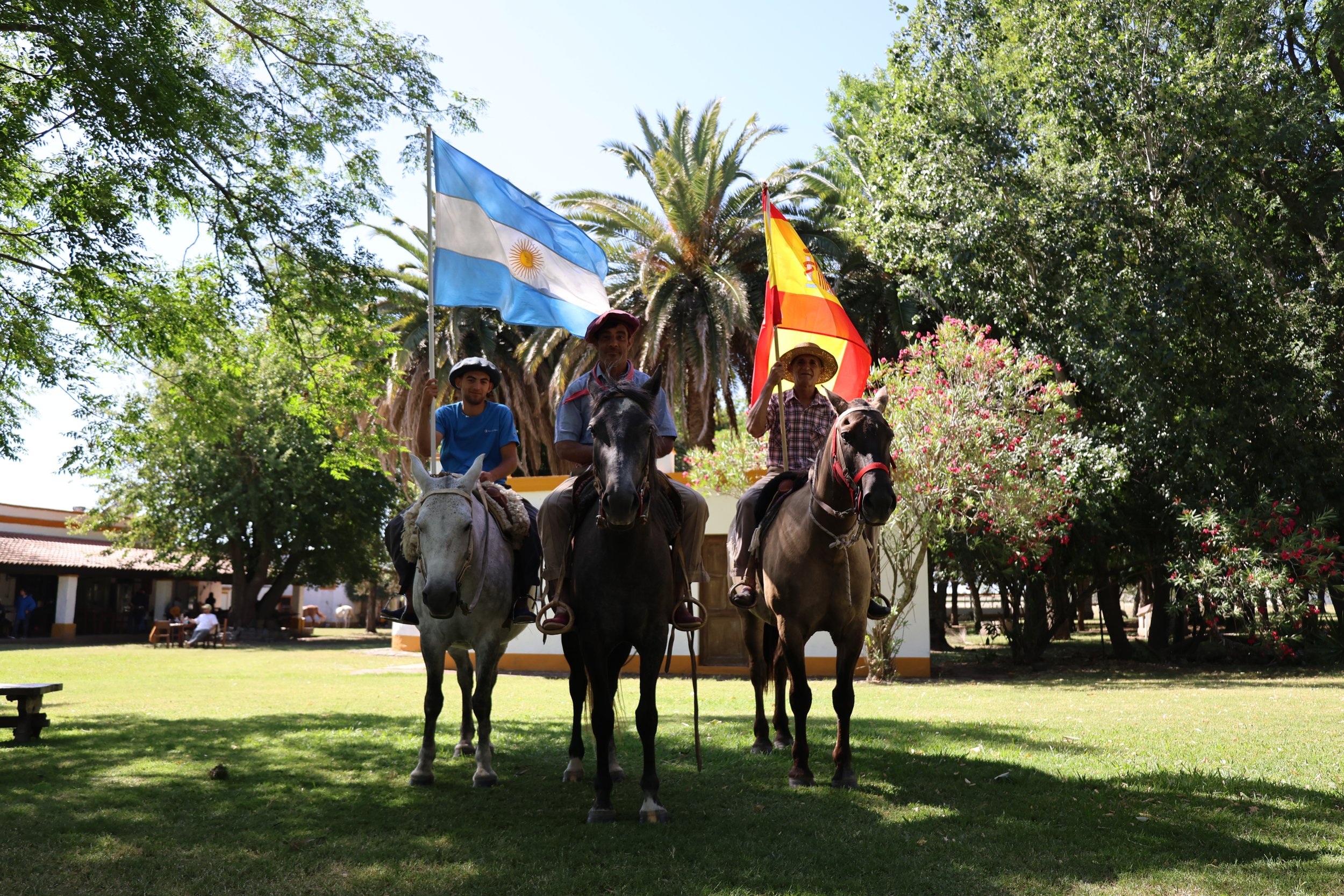
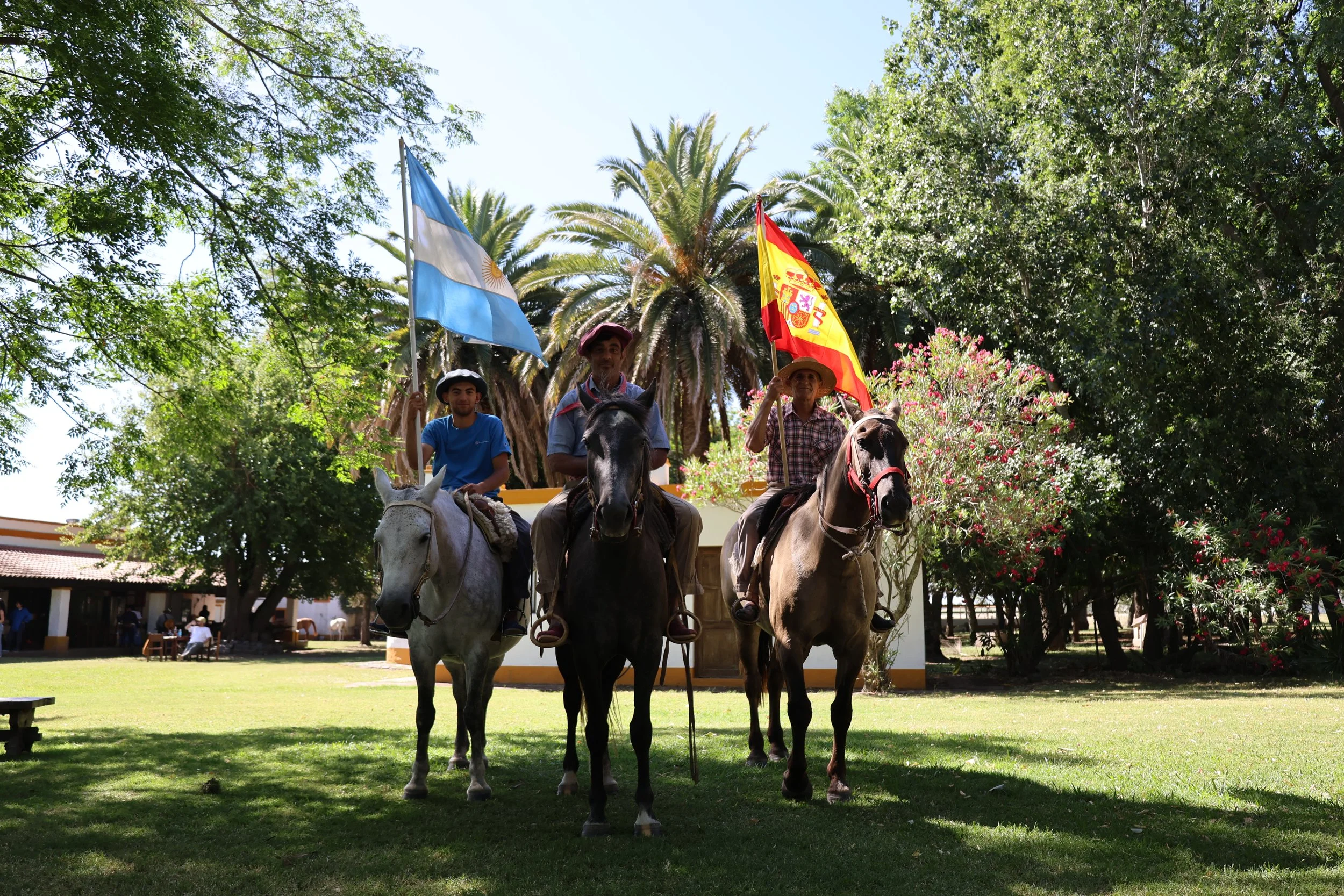
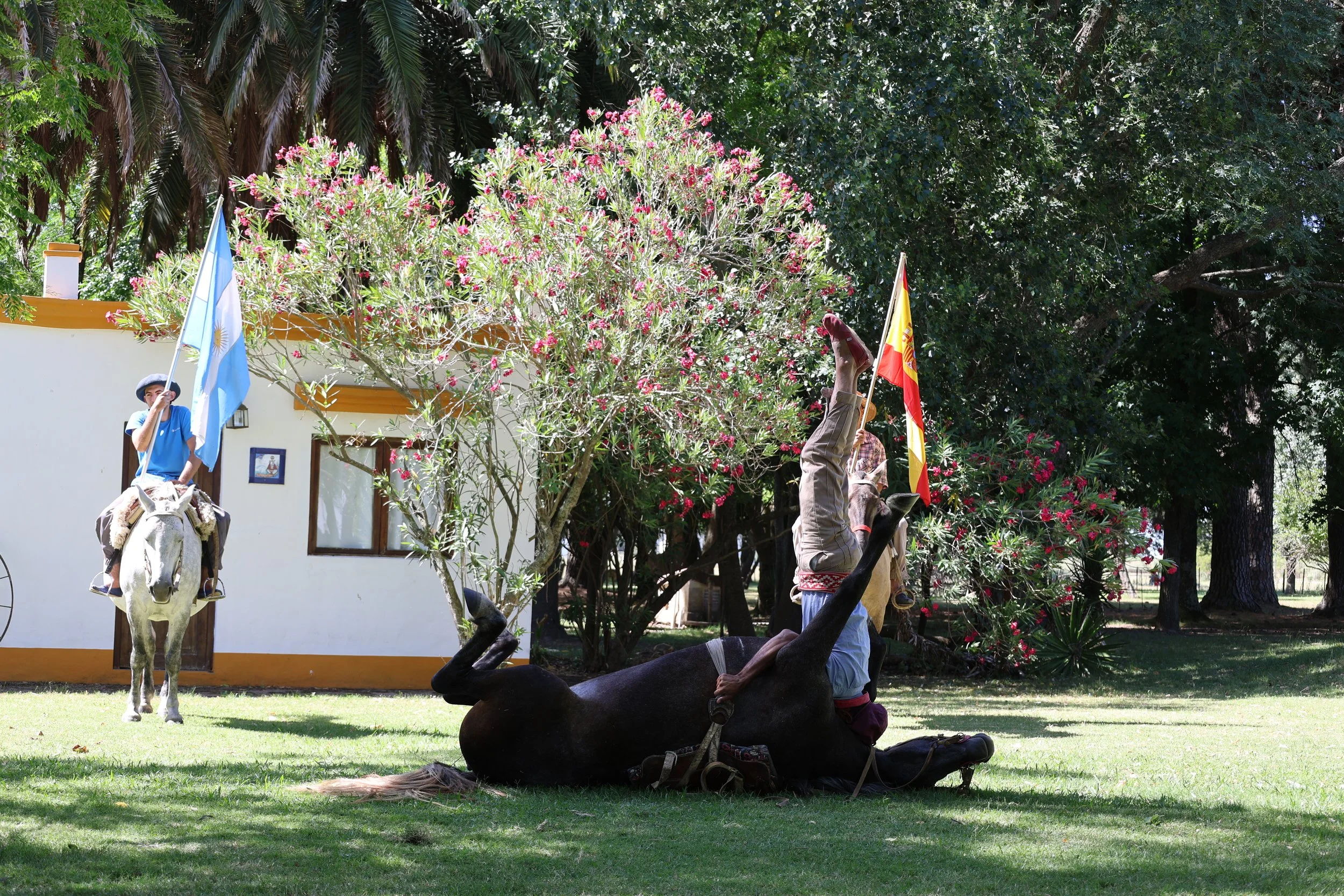
We were greeted by gauchos on horseback carrying the flags of Argentina and Spain, and they guided our van toward the stopping point in front of the ranch. It was one of those entrances that immediately makes you feel like the day is going to be something special. It felt ceremonial, but not in a way that seemed forced. It felt proud, traditional, and connected to the spirit of the place.
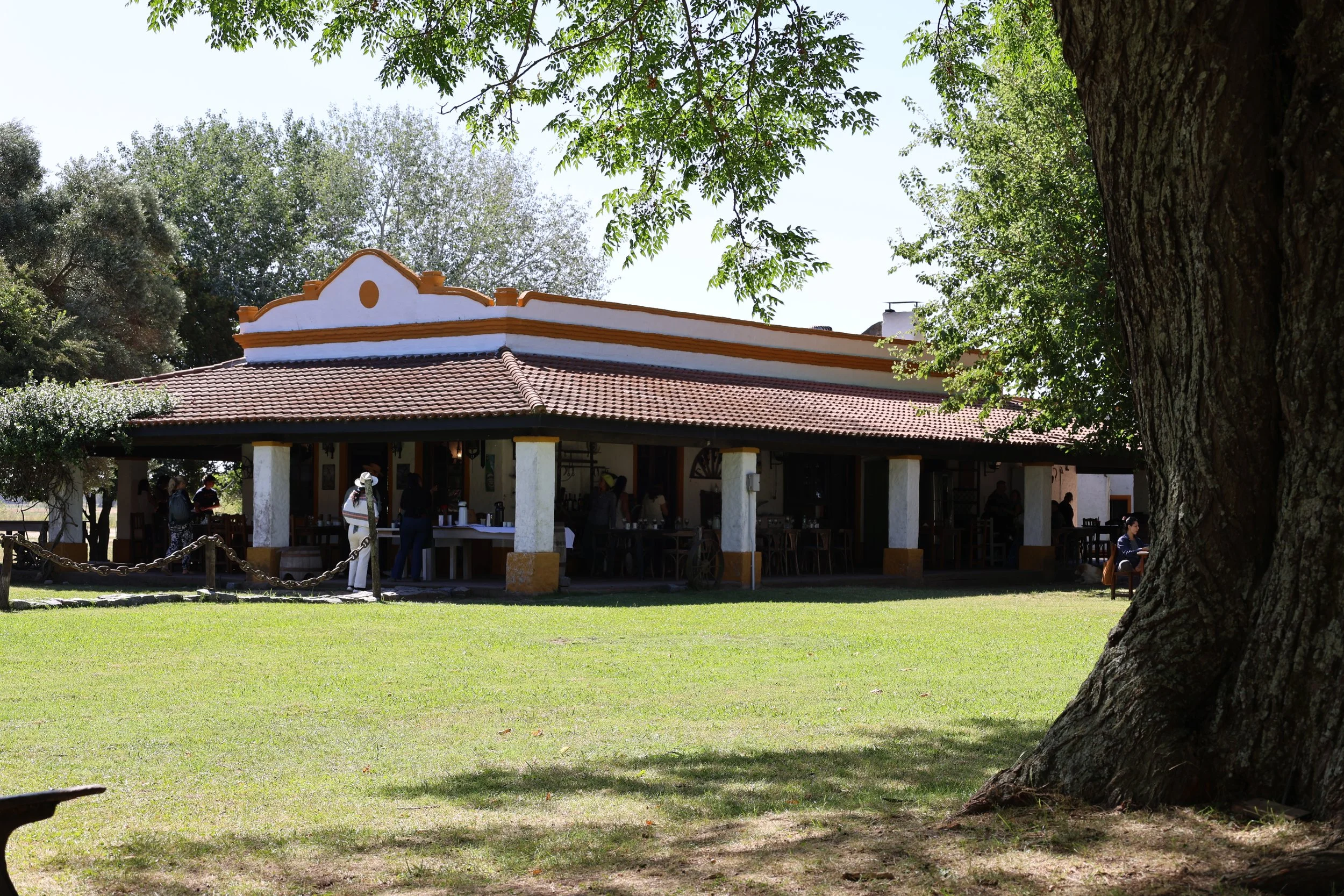
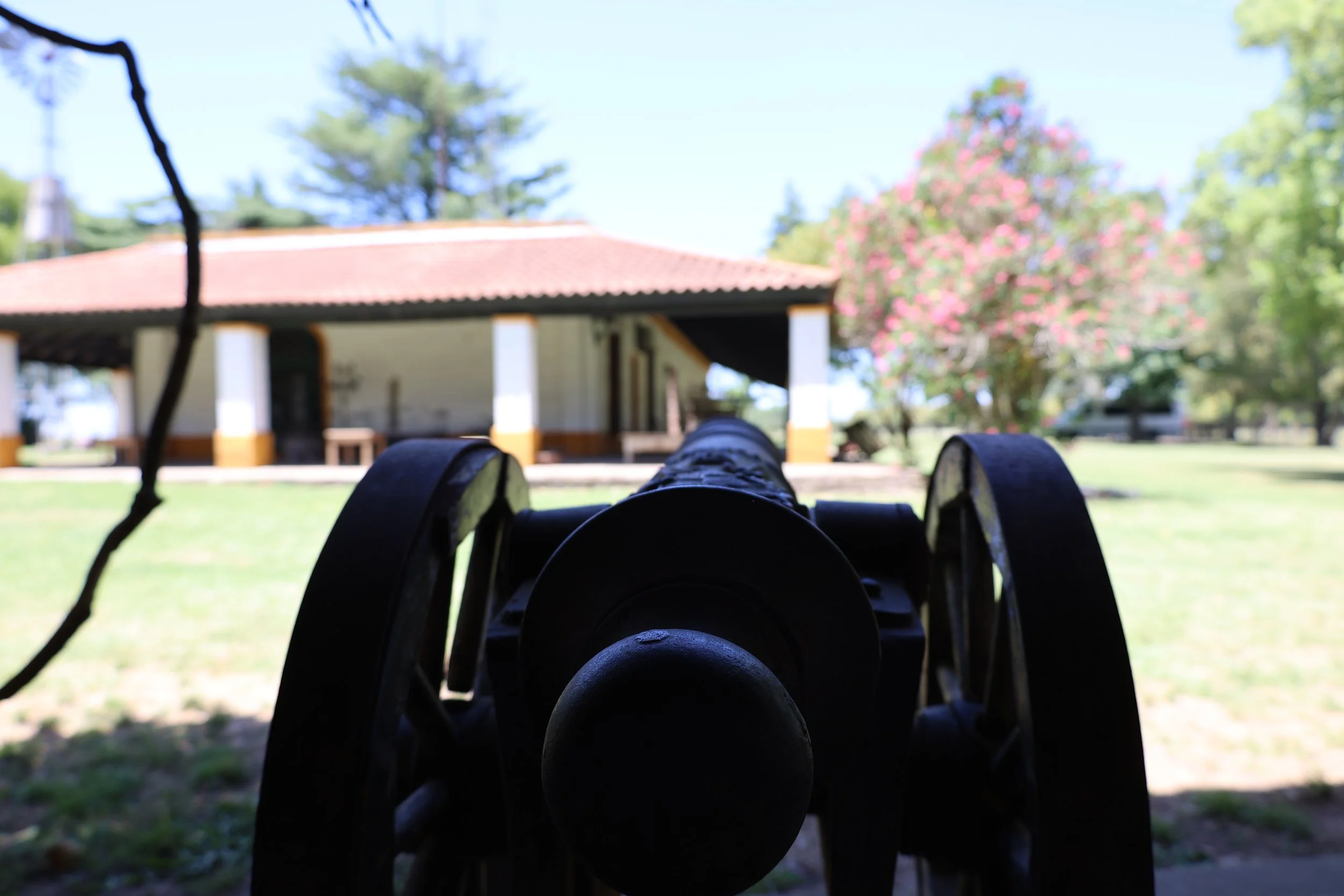
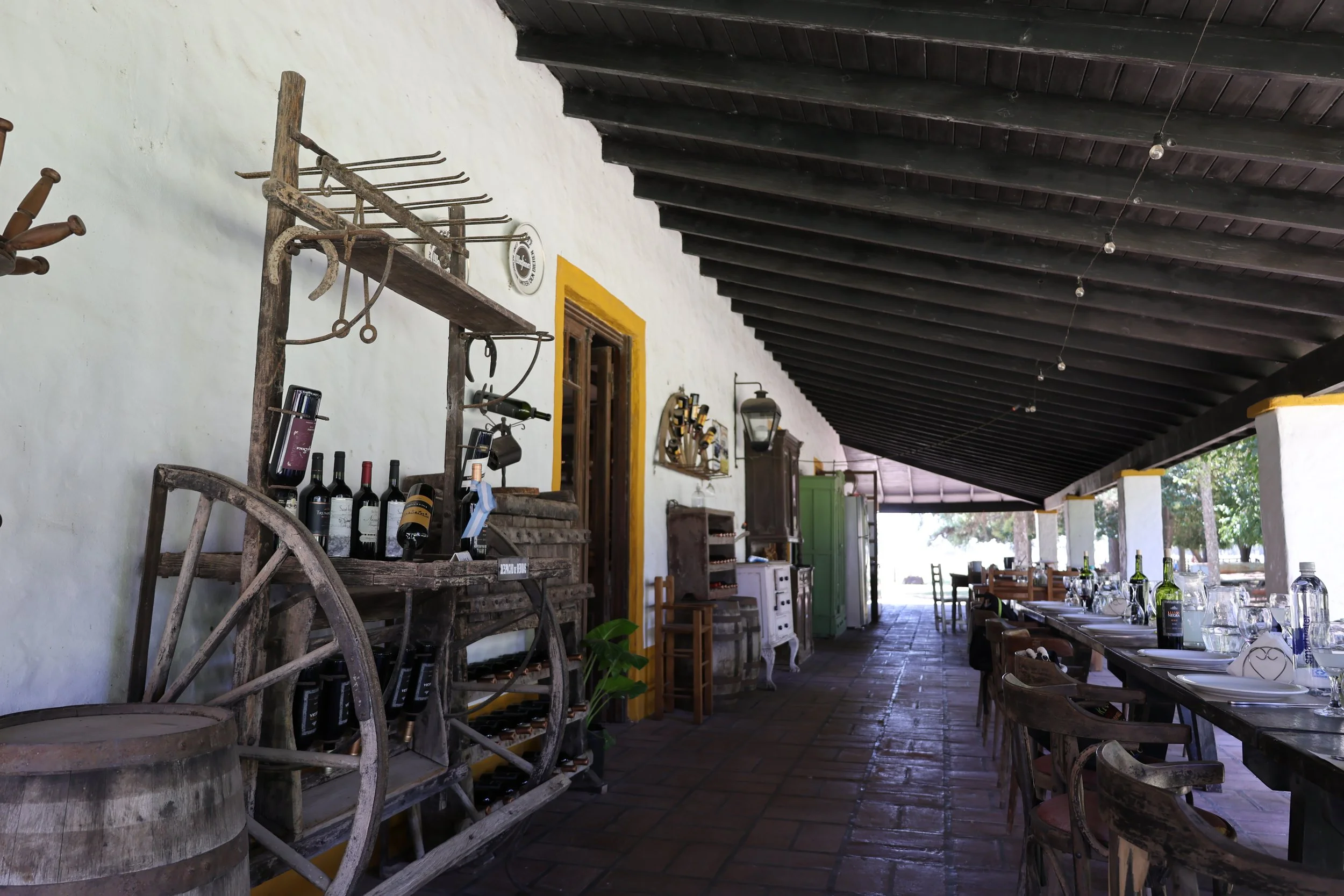
The ranch itself felt very real and very rural. There were horses, chickens, sheep, and cows in the distance, and it was obvious right away that we were far removed from the city. That contrast was part of the appeal. Buenos Aires has its own rhythm and elegance, but this felt like stepping into another side of Argentina entirely.
A Small-Group Experience
One thing I appreciated throughout the day was that our van had only about 12 people in it. That made the whole experience feel more relaxed and much more personal than a large bus tour would have.
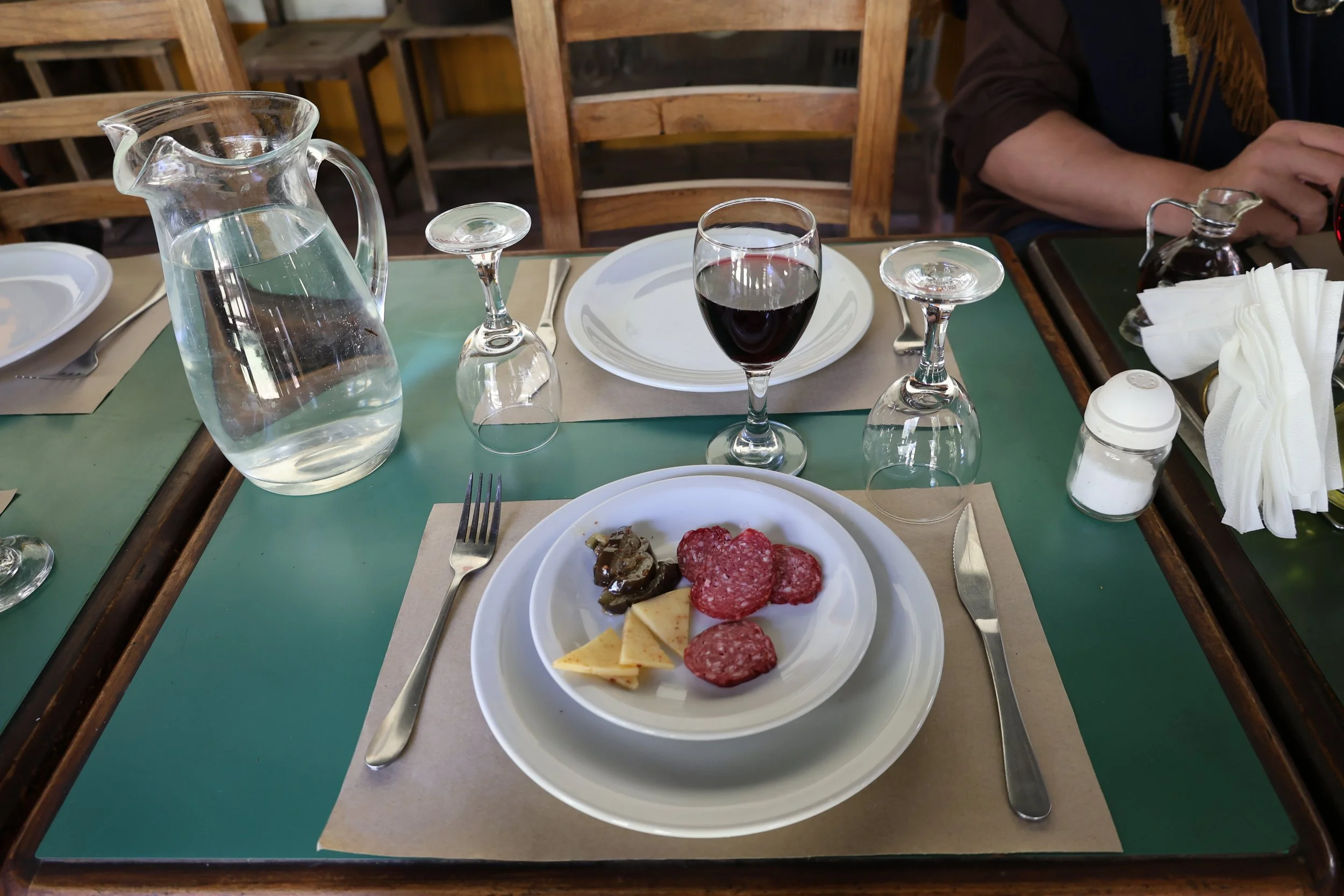
Once we got off the van, we were invited to sit at a long table on the porch of the ranch building. They welcomed us with refreshments and drinks, including plenty of Argentine wine, both red and white. It gave everyone a chance to settle in, enjoy the setting, and talk a little before lunch.
That slower start worked well for the atmosphere of the day. Nothing felt rushed.
The Asado Lunch
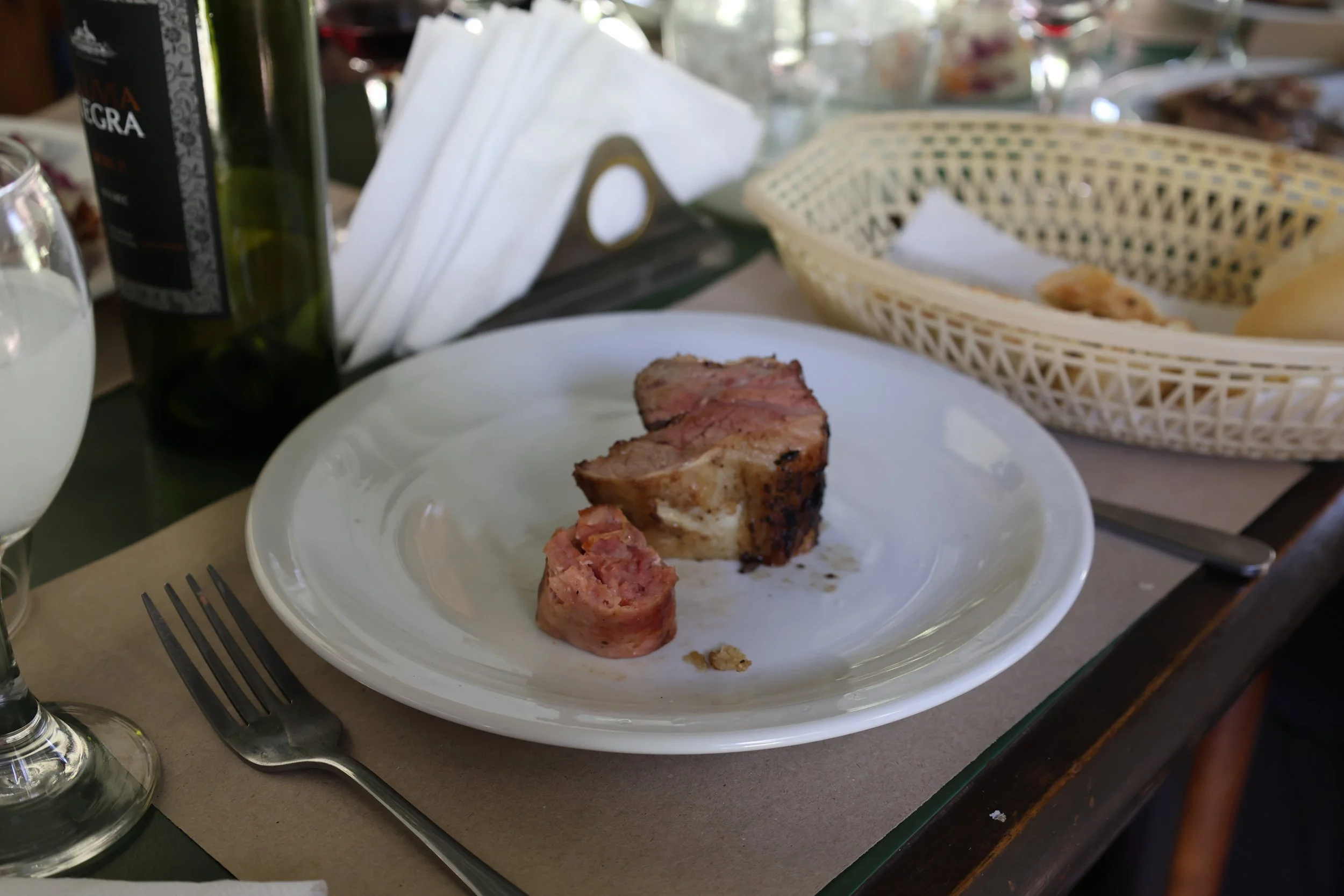
Lunch was a traditional asado served as a late meal, and it included the expected favorites: beef, chicken, and pork.
The asado was good, but I would say that from a strictly food perspective, we had another asado experience in Buenos Aires earlier in the trip that was better. What made this meal special was not that it was the best food we had in the city. It was the setting. Eating on the porch of a ranch in the countryside, surrounded by open land and gaucho culture, gave it an atmosphere that you simply cannot recreate in a restaurant.
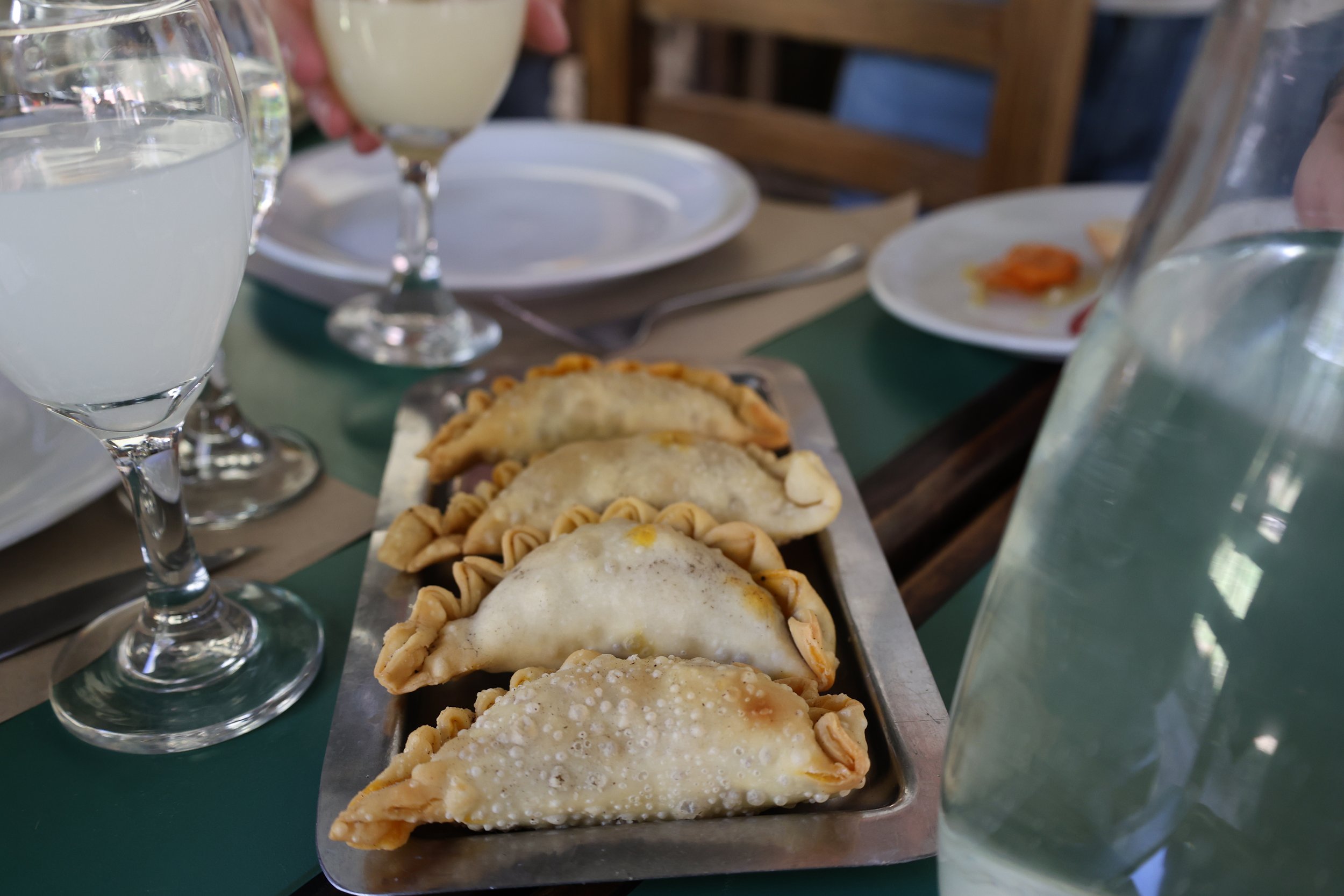
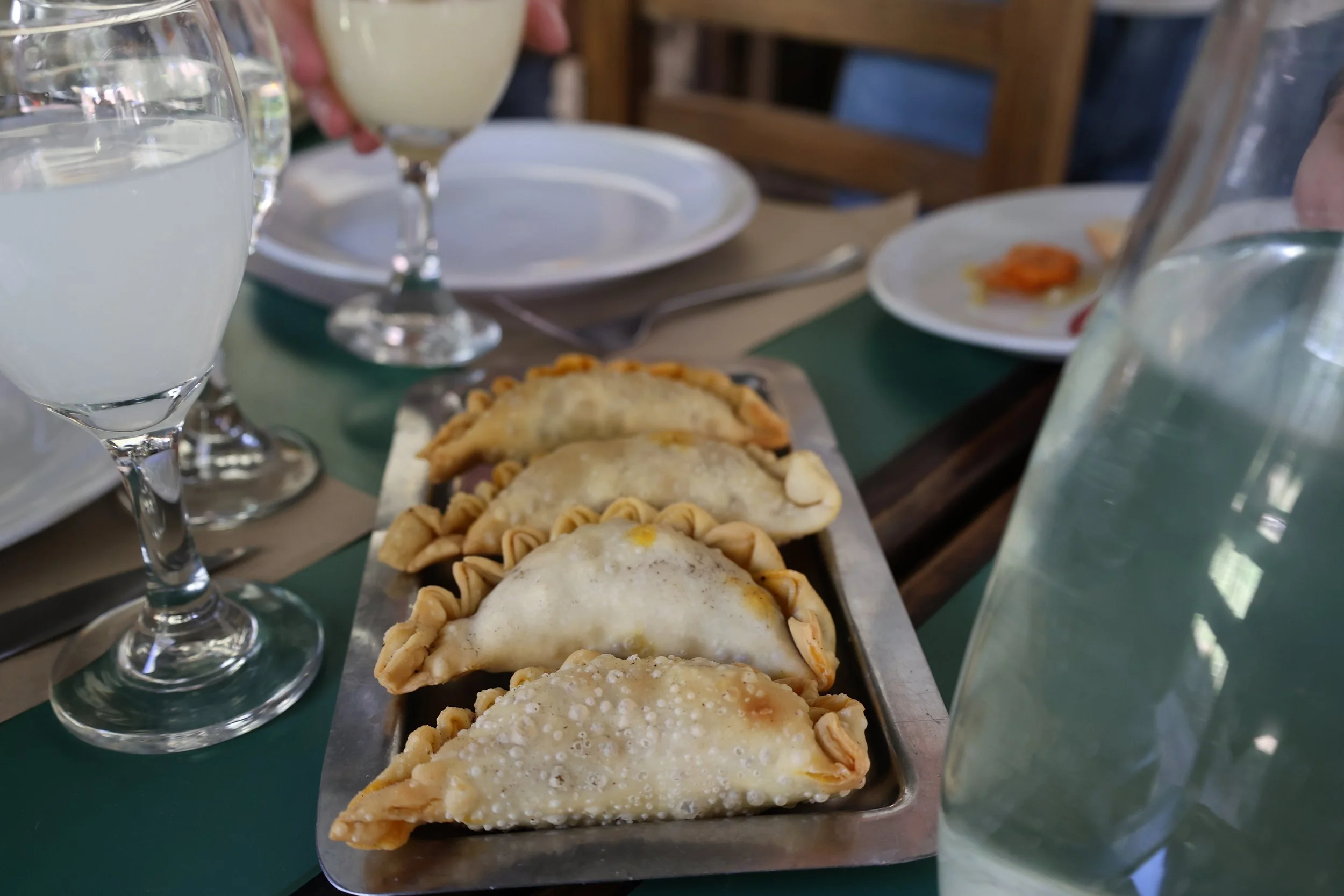
What stood out most for me, though, was the empanada. It was easily the best empanada we had during our entire time in Buenos Aires. It was flavorful, crunchy, and just really satisfying. If they had offered seconds, I would have gladly taken another one.
Horseback Riding Around the Property
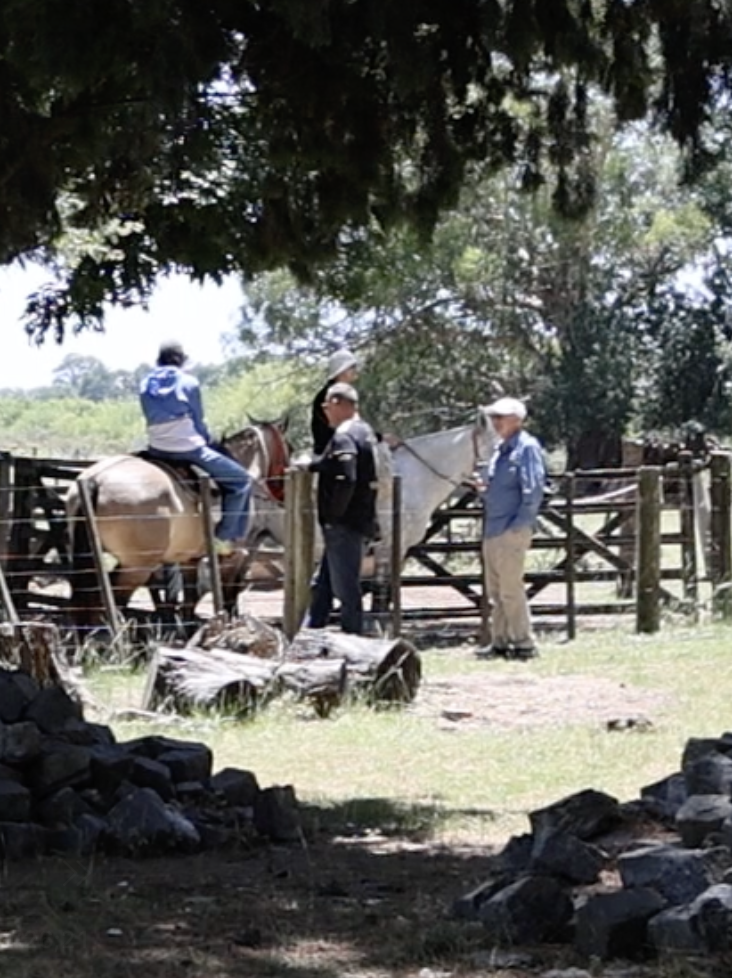
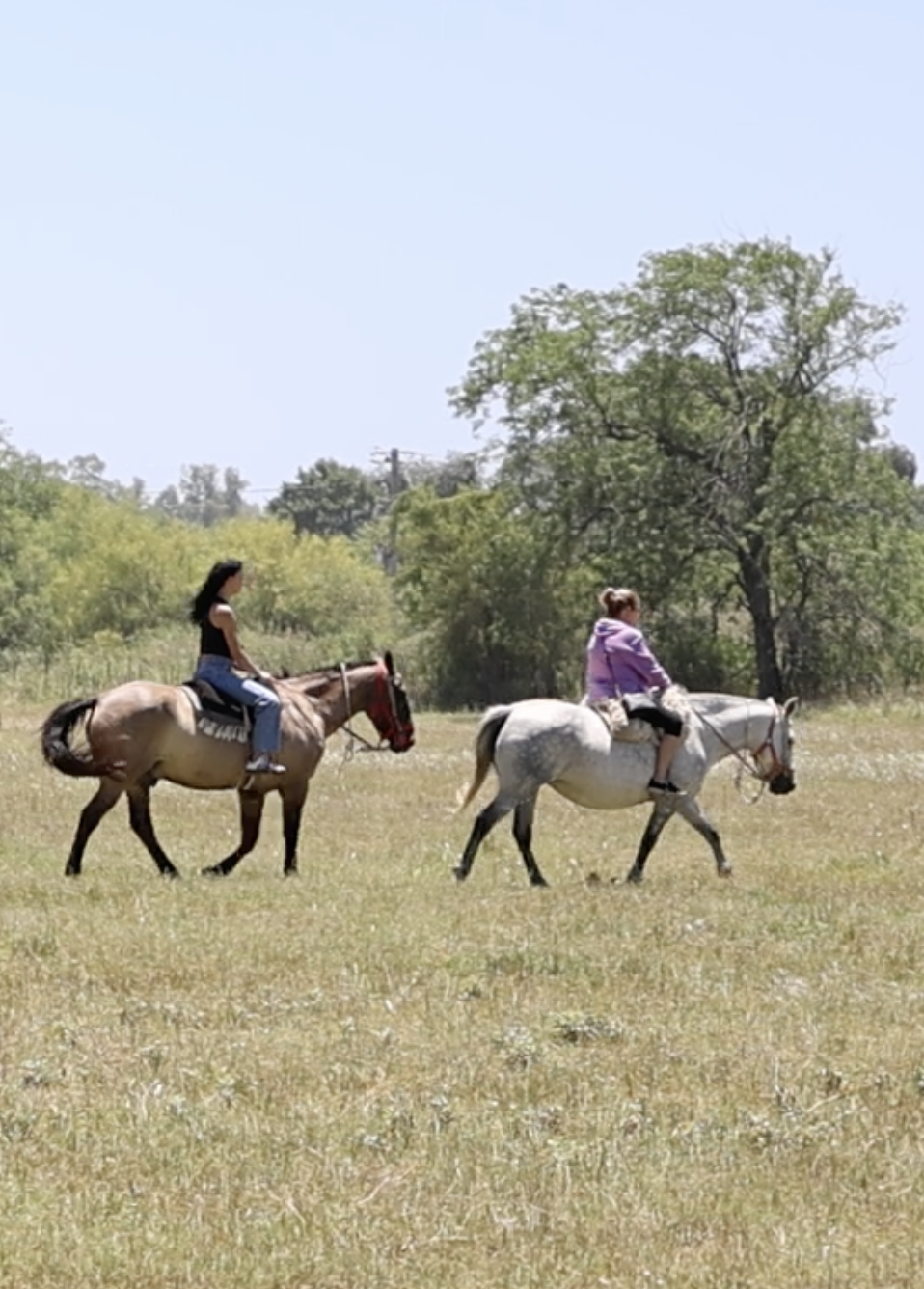
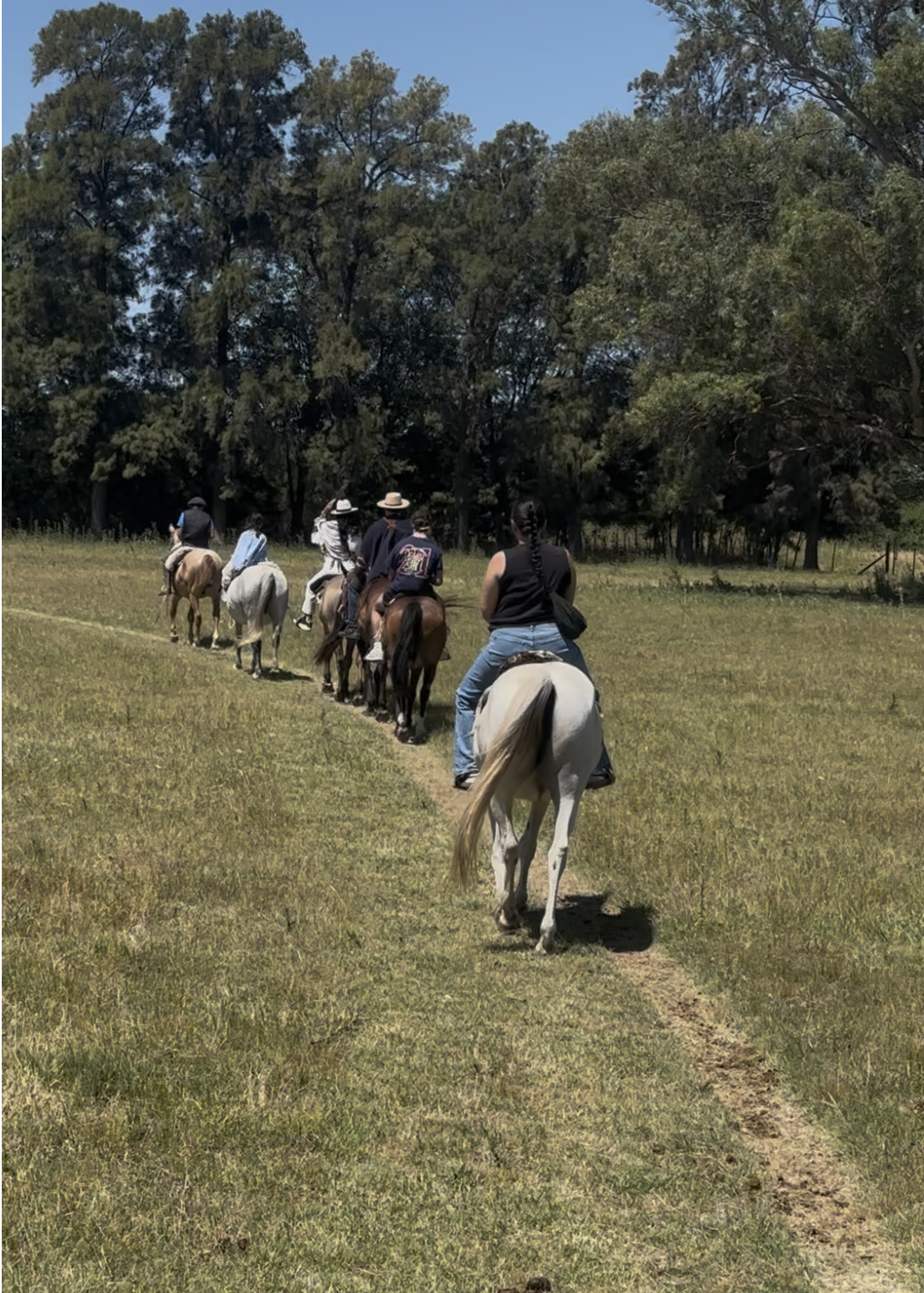
After lunch, we had time to walk around the grounds, and then they began taking guests out in small groups of three or four for horseback riding.
The ride lasted about 25 to 30 minutes and took us around part of the property. If you have never ridden a horse before, it is definitely an experience. Even a calm horse still feels like an animal with its own instincts and personality, which makes it exciting and humbling at the same time.
Thankfully, these horses were very tame and clearly accustomed to guests who might not have much riding experience. That made the activity approachable even for beginners. It was not an advanced riding excursion, but it was enough to make you feel connected to the landscape and to understand how central horses are to gaucho identity and tradition.
Traditional Music and Gaucho Dance
As the horseback groups rotated through, we continued walking around and enjoying the property. Later, everyone gathered in a large circle for another cultural part of the experience.
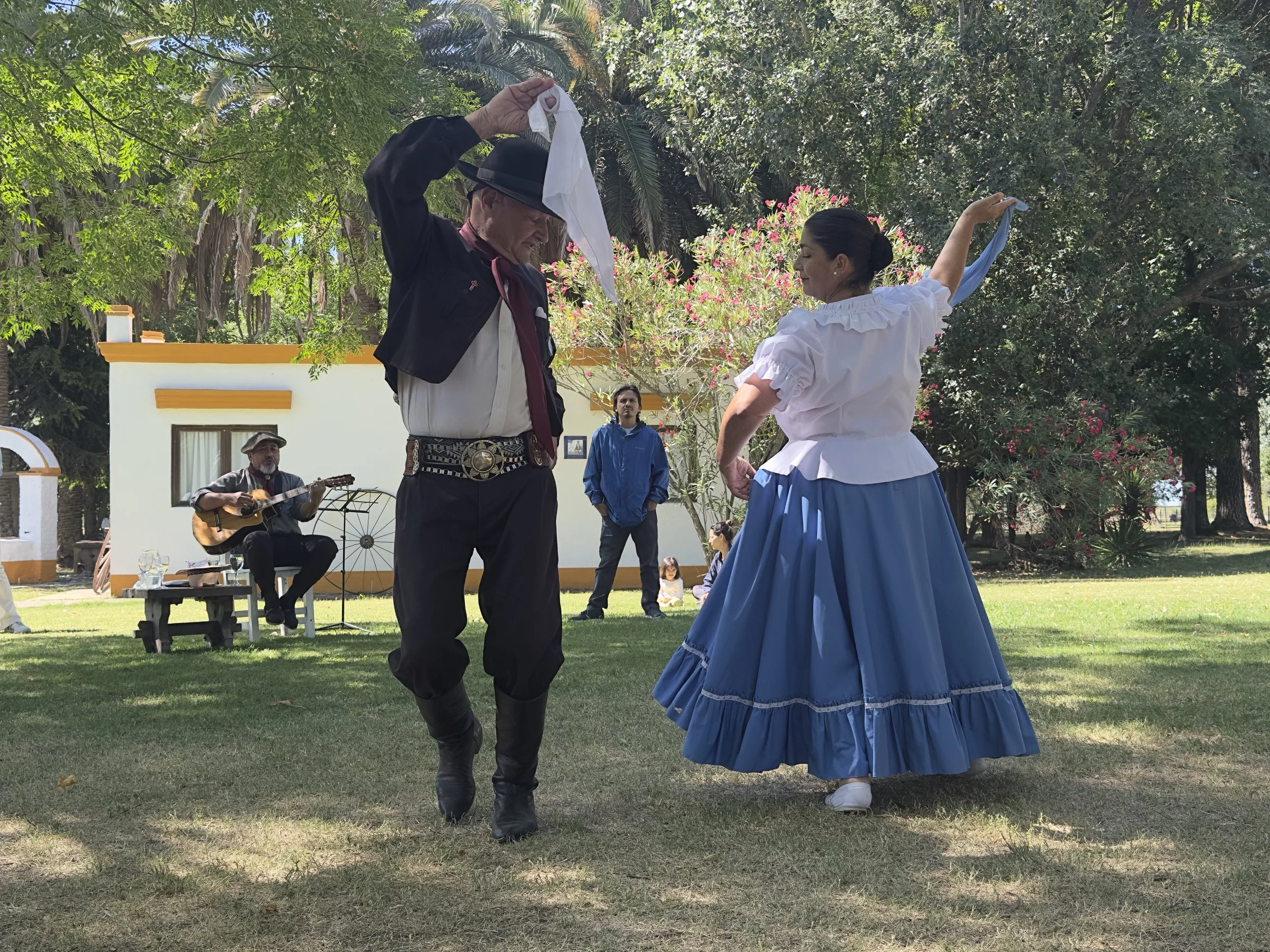
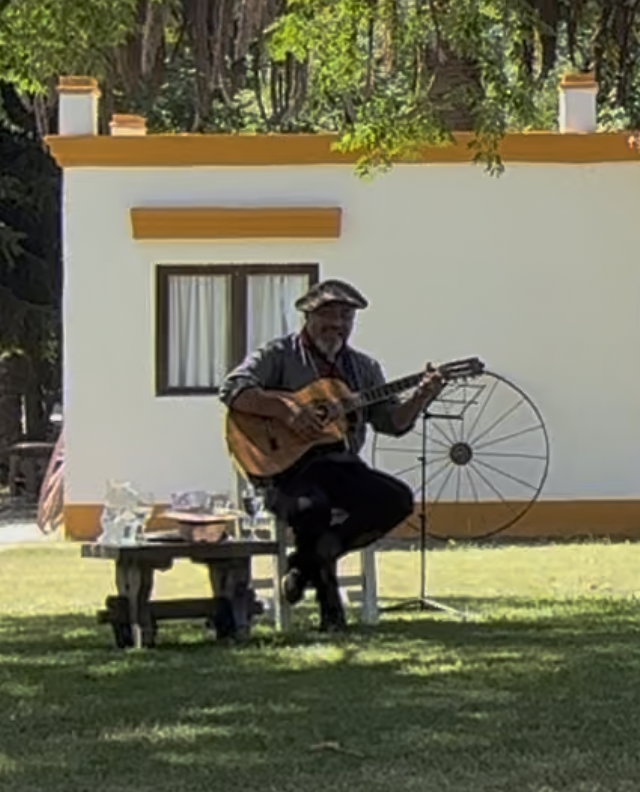
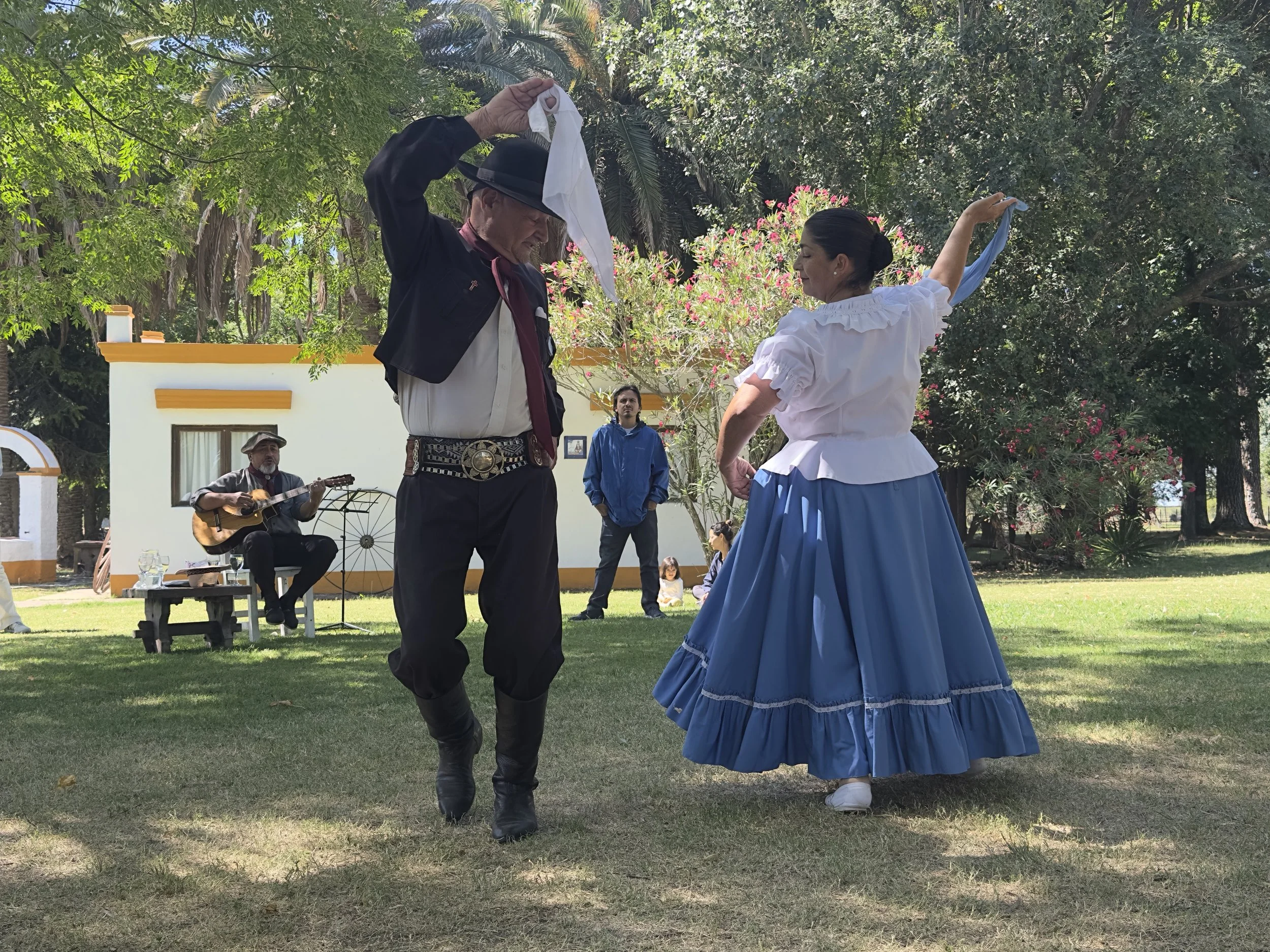
An older man and woman performed traditional gaucho dances while musicians played live guitar and folk music. It was one of those moments that felt warm and genuine. It did not come across as rushed or overly commercial. It felt like a real expression of tradition.
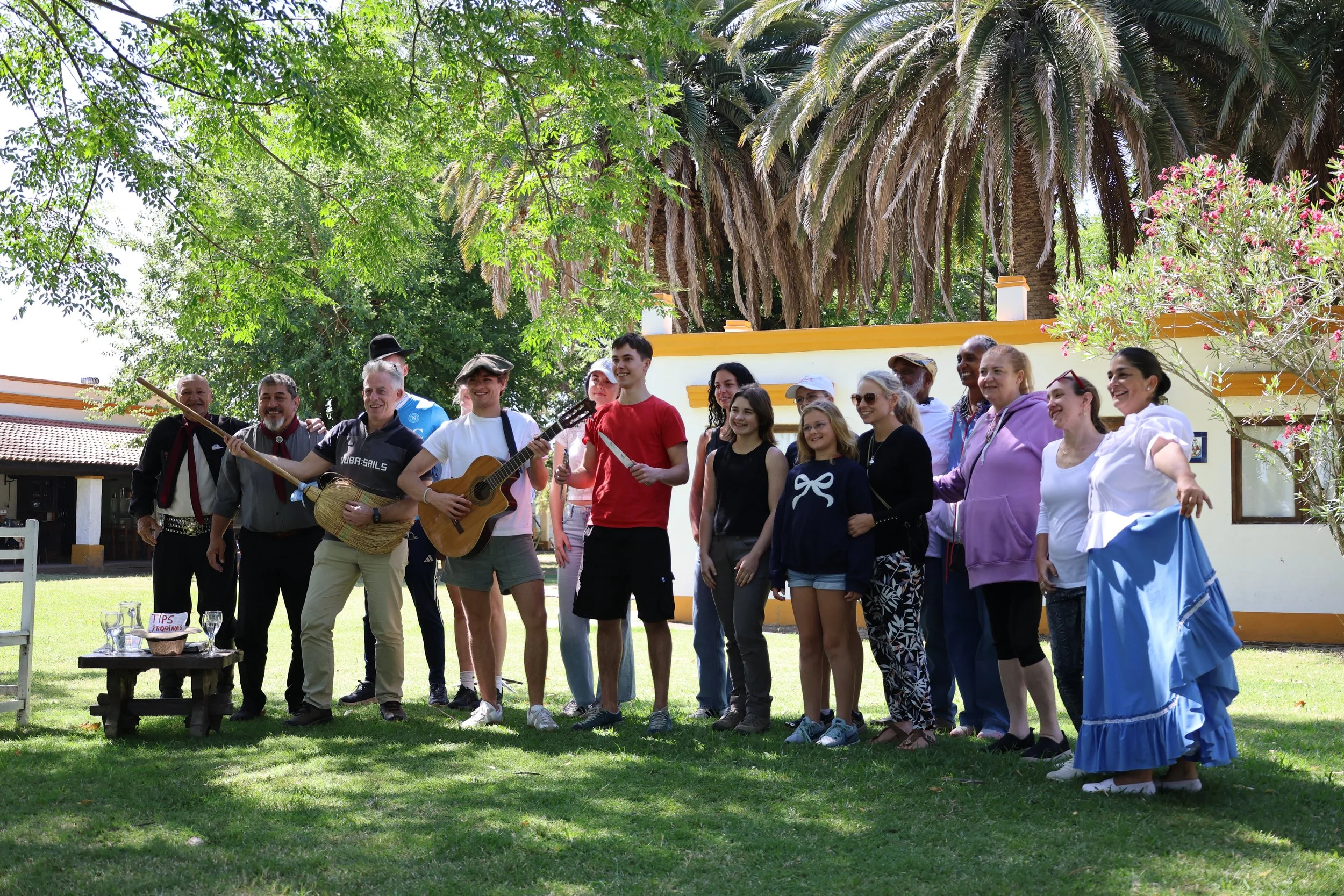
Then, after the performance, our group and a couple of others were invited to get up and learn some of the dance moves ourselves.
Like many things, it looked much easier when the performers were doing it. Once it was our turn, it became clear that there was more coordination involved than it first appeared. It was fun, a little humbling, and gave us an even greater appreciation for the people performing it so effortlessly.
The Gaucho Horse Performance
One of the most impressive parts of the day came later, when three gauchos performed a horsemanship demonstration.
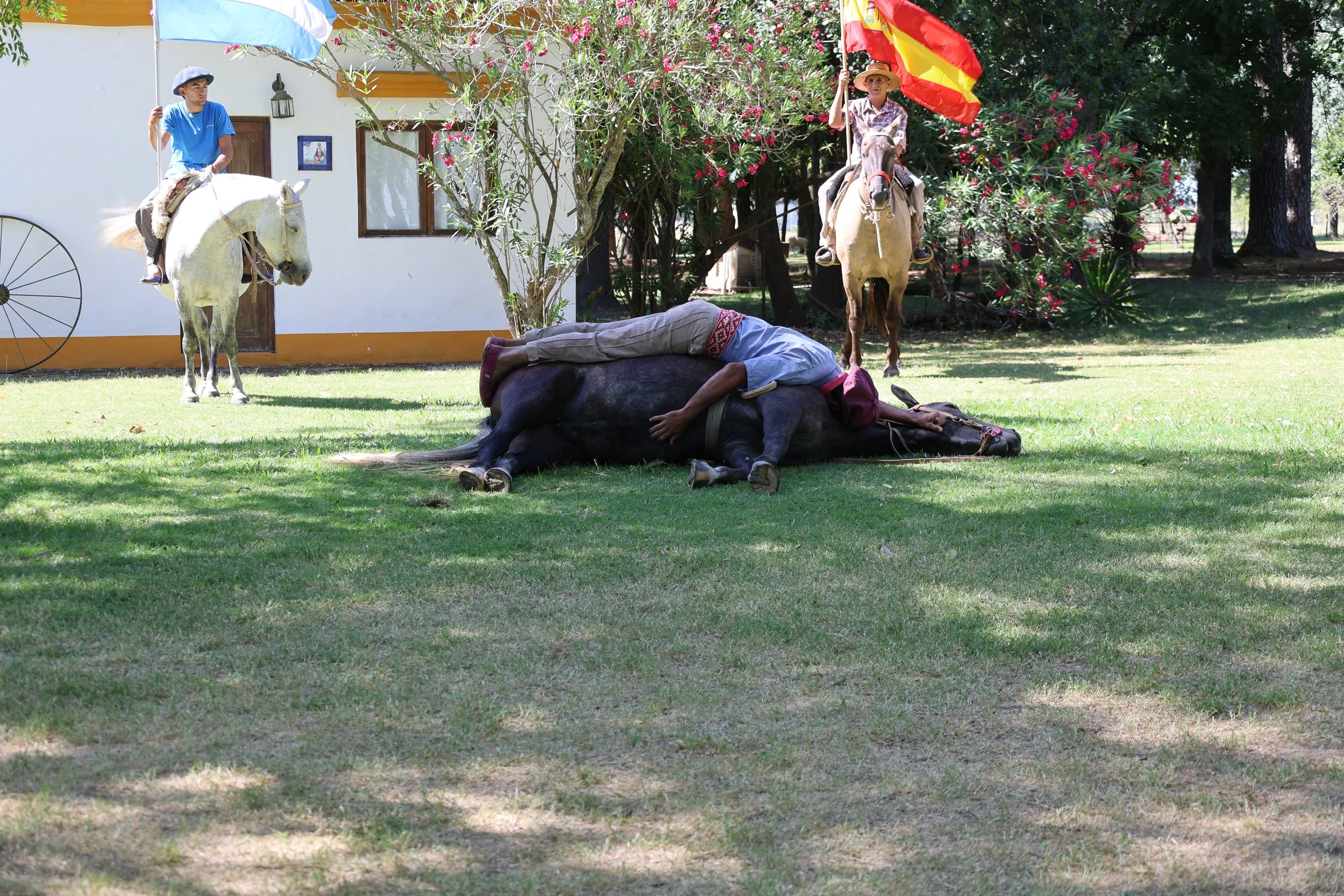
This was unlike anything I had seen before. The way the gauchos and the horses moved together felt almost symbiotic. The horses responded so closely to the gauchos’ movements and cues that it felt less like watching a staged routine and more like watching a partnership built over years of trust and skill.
At one point, the horse lay down and held certain positions while responding to the gaucho. From an equestrian perspective, it was fascinating to watch. Even without knowing the technical details, it was obvious that this level of control and harmony took a great deal of experience.
That demonstration ended up being one of the highlights of the entire excursion for me.
Interested in a Gaucho Event: Try these opporunities:
Why This Tour Worked So Well on a Departure Day
From a logistics standpoint, this tour ended up being a great use of our final day in Buenos Aires.
We were picked up in the morning, had a full day of activities, and returned to our hotel around 5:30 to 6:00 p.m. That still left enough time for us to retrieve our luggage and head to the airport without stress. From our downtown hotel, the airport drive that evening was only about 35 minutes, and traffic was not too bad.
As for our bags, our hotel held them for us with the concierge even after checkout. That made all the difference. Instead of spending the day sitting around the lobby or trying to manage luggage between activities, we were able to enjoy one final experience and then return for our bags before leaving for the airport.
For anyone in a similar situation, this is something worth confirming with your hotel in advance. It made our day much easier.
Final Thoughts
Overall, this was a really great experience and one I am genuinely glad we chose.
It gave us something meaningful to do rather than hang around the hotel for hours before our flight, but more importantly, it gave us a look at a side of Argentina that we might not have experienced otherwise. We try to build cultural experiences into our trips whenever possible, and while no experience as a visitor is ever exactly the same as living the culture, this one felt authentic in a way that really stayed with me.
The combination of gaucho history, mate, San Antonio de Areco, the ranch setting, the asado, horseback riding, music, dancing, and the horsemanship demonstration made this much more than just a countryside excursion. It felt like an introduction to a meaningful part of Argentine identity.
And even though we chose it partly because we needed something to do before our late-night flight, I would absolutely still put it on my list again if I were returning to Buenos Aires. That, to me, says a lot.
Would I do it again? Absolutely.
Quick Answers About a Buenos Aires Gaucho Day Tour
Is a gaucho day tour in Buenos Aires worth it?
Yes. A gaucho day tour is worth it for travelers who want to experience Argentina beyond the city through ranch life, horseback riding, traditional food, folk music, dance, and gaucho horsemanship.
What do you learn on a Buenos Aires gaucho tour?
Many tours include information about gaucho history, clothing, symbolism, ranch life, and traditions such as drinking mate.
Where do some gaucho day tours from Buenos Aires stop first?
Some gaucho day tours stop first in San Antonio de Areco, a town known for its connection to gaucho heritage and Argentine rural traditions.
Can you do a gaucho day tour before a late-night flight?
Yes. If your flight leaves late in the evening and your hotel can hold your luggage after checkout, a full-day gaucho tour can be a practical and memorable last-day activity.
Is horseback riding included in a gaucho ranch tour?
Many tours include a short horseback ride, often suitable for beginners.
How long is the drive from Buenos Aires to Areco?
From our downtown Buenos Aires hotel, the drive to San Antonio de Areco took about two hours, including a short rest stop along the way.
FAQ: Buenos Aires Guided Gaucho Day Tour at a Ranch
What tour did you book?
We booked Buenos Aires: Guided Gaucho Day Tour at a Ranch.
What time did the tour start?
We were picked up from our hotel in downtown Buenos Aires around 8:30 to 9:00 a.m.
What was the first stop before the ranch?
Before arriving at the ranch, we stopped in San Antonio de Areco, also known simply as Areco, a town known for its gaucho heritage and rural traditions.
How long were you in Areco?
We spent about 45 minutes there, enough time to walk around the square, see the cathedral, and take in the quieter Sunday atmosphere.
What was included at the ranch?
The ranch experience included refreshments, Argentine wine, a traditional asado lunch, time to explore the grounds, horseback riding, live music, traditional dancing, and a gaucho horsemanship demonstration.
Was the horseback riding beginner-friendly?
Yes. The horses were calm and seemed very used to carrying guests who were not experienced riders.
What was the best food of the day?
For me, the standout was the empanada. It was the best one we had during our time in Buenos Aires.
What was the most memorable part of the tour?
The gaucho horse performance was the most memorable part for me because of the way the horses and riders worked together with such precision.
What did you do with your luggage after hotel checkout?
Our hotel held our bags with the concierge after checkout, and we picked them up later before heading to the airport.
Would you recommend this on the last day of a trip?
Yes. For travelers with a late flight, it is a much better use of the day than waiting around the hotel.
