
Argentinean Barbecue with Live Music: A Night of Fire, Flavor, and Culture
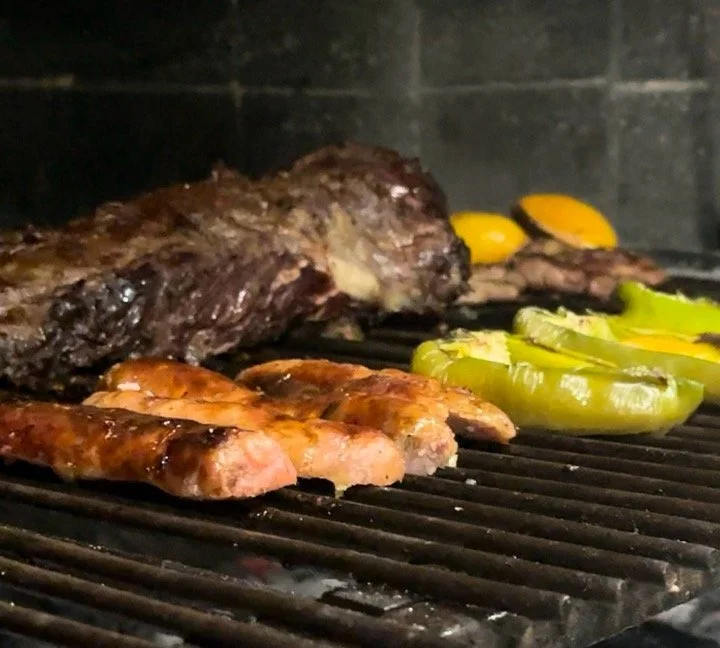
One of the things I absolutely love about traveling is experiencing culture firsthand. I’m not talking about reading a book or following a tour guide through a tourist district. I’m talking about those intimate moments—the kind that immerse you in local life and leave a lasting impression.
My son and I were en route to Antarctica for a 12-day expedition cruise, with just 24 hours in Buenos Aires to spare. We wanted something authentic, something memorable. And what better way to connect with Argentine culture than through food—specifically, an Argentine barbecue.
I booked an experience through Viator called Argentinean Barbecue (BBQ) with Live Music. The description promised a three-hour, eight-course dining experience featuring local wines and live music, with non-alcoholic options like Coke, Pepsi, Sprite, water, and sparkling water also available.
Arriving at the Asado
We hopped in an Uber and arrived at a residential address in Buenos Aires, where we were greeted at the door by one of two brothers who curate this intimate asado experience. (Asado translates simply to “roast,” but as I quickly learned, it means so much more than that.)
We walked down a narrow hallway into a cozy backyard set up for a 10-person gathering. Instantly, the intoxicating aroma of wood smoke filled the air—that unmistakable scent that only comes from slow-roasted meat over open fire. As a self-proclaimed amateur grill and smoke enthusiast, I was immediately drawn to the beautiful brick parrilla (grill) and the carefully laid-out provisions for the evening.
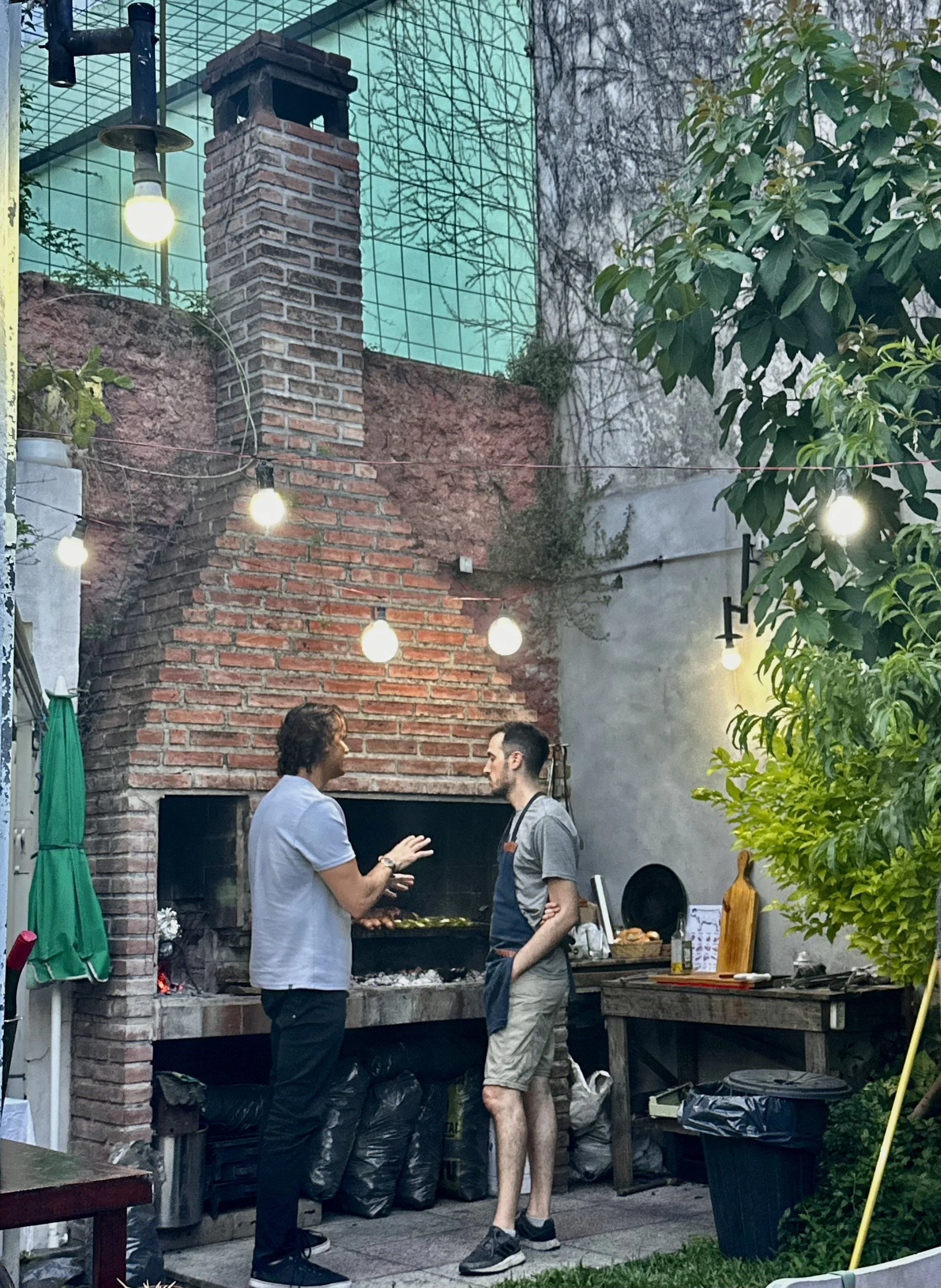
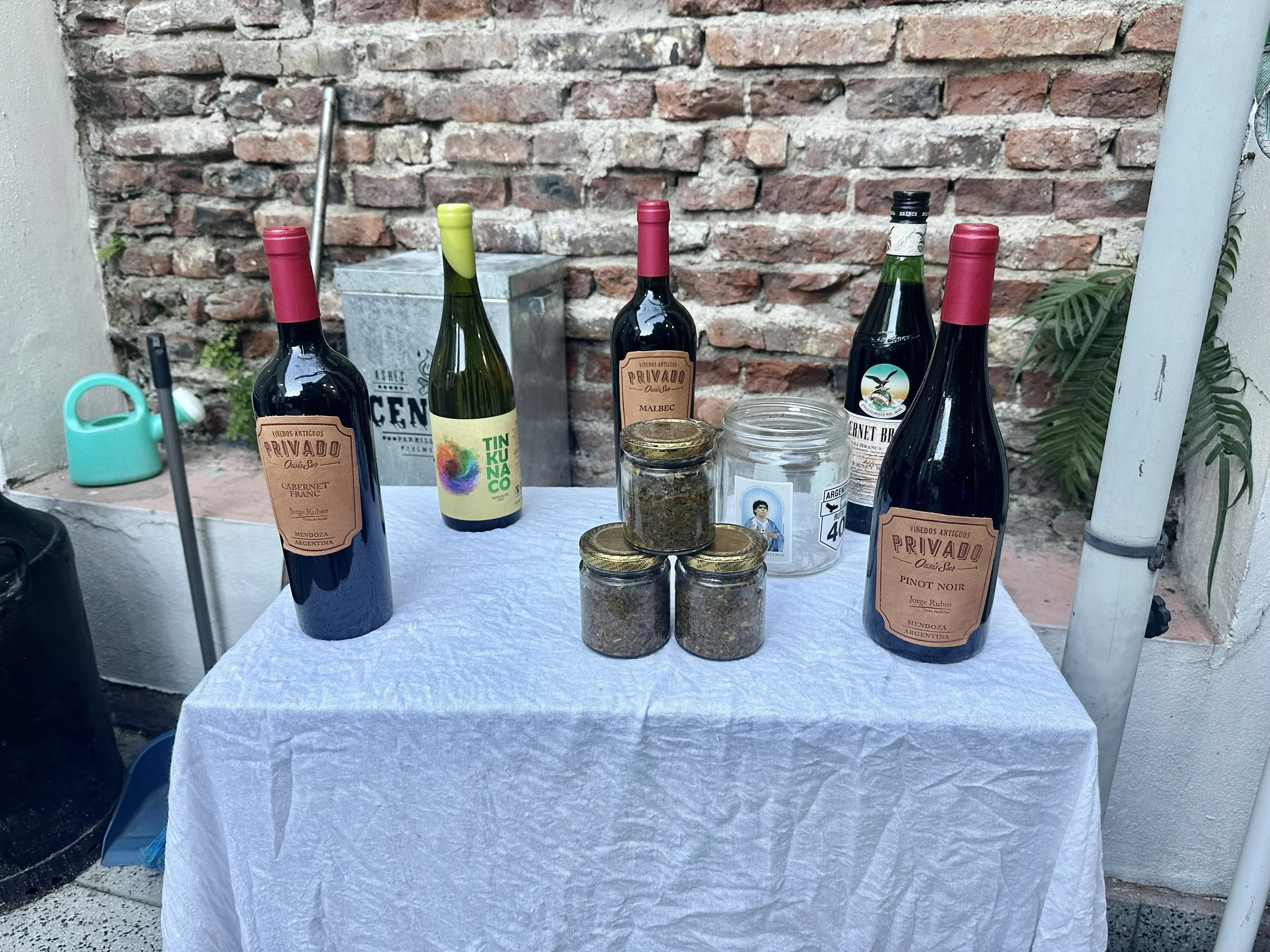
After graciously allowing me to linger a bit too close to the grill, our hosts poured us a glass of Argentine wine from a vineyard just outside Buenos Aires. My son and I took our seats alongside fellow travelers from Portugal, Australia, and the United States. This—this—is my favorite way to travel: sharing a table with strangers who quickly become friends.
As conversations flowed, we discovered that two other couples were also cruisers. The Australians had just finished a Princess cruise to Antarctica, while the American couple had disembarked from Celebrity. The Portuguese guests were stopping in Buenos Aires on their way to hike in northwest Argentina. The dialogue was easy, filled with travel stories and shared experiences—the kind of conversations that make the world feel smaller and spark the desire to explore even more.
So, What Exactly Is an Argentine Asado?
An asado is far more than a barbecue—it’s a cornerstone of Argentine culture. Traditionally rooted in the gaucho (Argentine cowboy) lifestyle of the Pampas, asado dates back to the 18th century when cattle roamed freely and open-fire cooking was a way of life. Over time, it evolved into a social ritual centered on family, friends, patience, and respect for quality ingredients.
At its heart, asado is about slow-cooking meat over wood or charcoal, allowing natural flavors to shine. Seasoning is minimal—often just salt—because Argentine beef is prized for its quality and flavor. An asado isn’t rushed; it’s meant to be savored, shared, and enjoyed over hours of conversation, wine, and connection.
Eight Courses, One by One
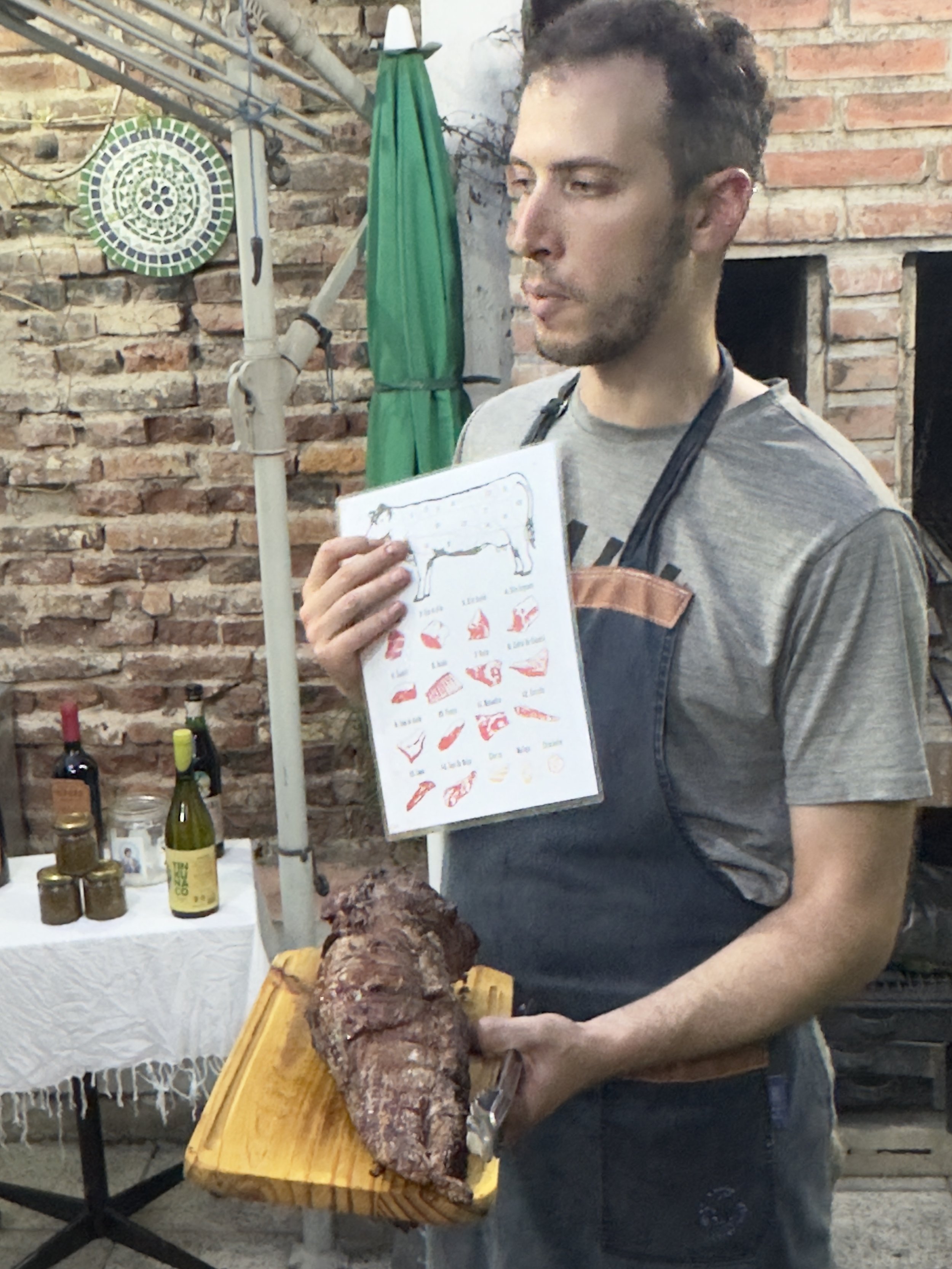
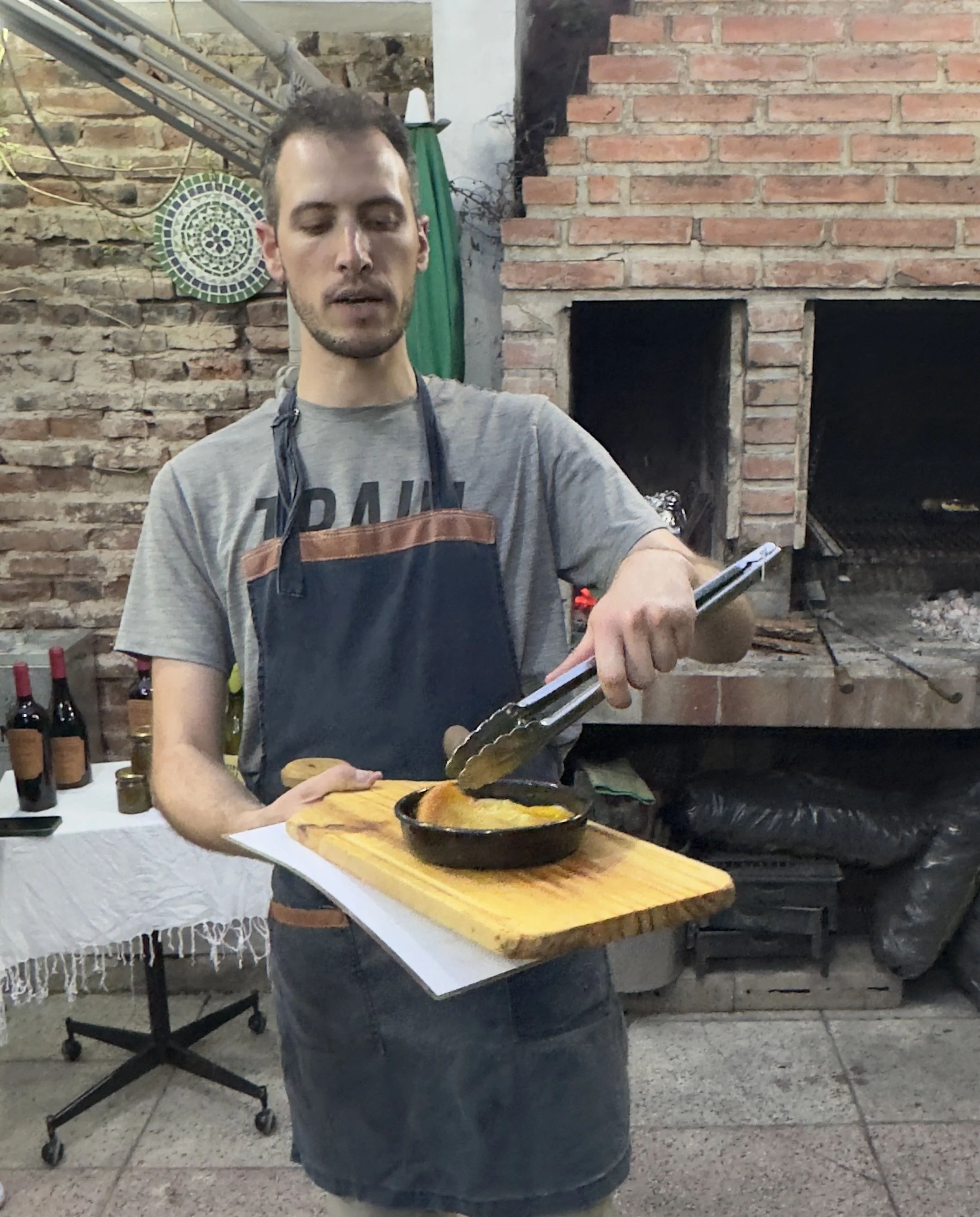
Course by course, the traditional Argentine asado unfolded. As each dish arrived, Adrián (one of the brothers) shared a bit of history about the cut of meat, the cooking method, and the wine paired with it.
Let’s talk about the meat. Beef was the star of the evening, with pork playing a supporting role. The pork appeared in two forms: a sausage and a loin. The pork course was affectionately referred to as the “hunger killer,” since it cooks faster than the rest of the asado and keeps everyone satisfied while the beef continues its slow transformation over the fire.
The evening began with provoleta, a thick slice of provolone cheese grilled until bubbling and golden. This was followed by a hands-on moment: guests helped prepare a fresh vegetable salsa. The homemade chimichurri—bright, herbaceous, and perfectly balanced—paired beautifully with the meats. The brothers were even gracious enough to share their recipes.
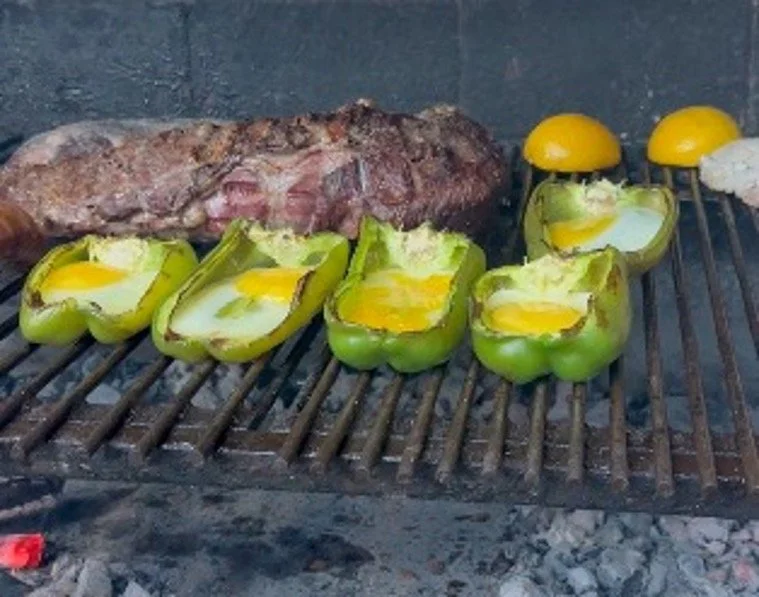
Next came Morrón con Huevo, a halved bell pepper with an egg cracked inside, cooked low and slow on the grill until infused with a subtle smokiness.
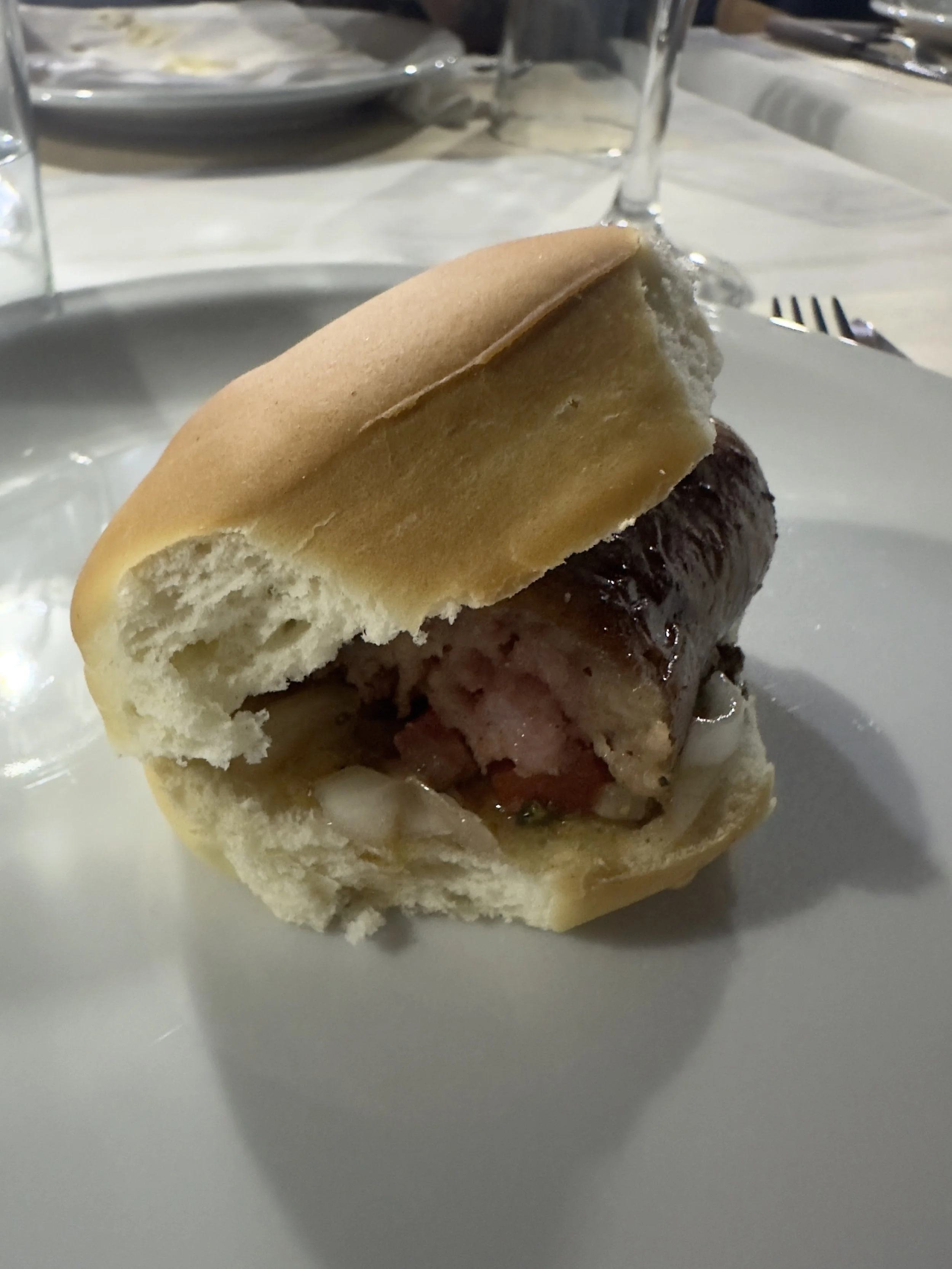
Then, chorizo—savory, juicy, with just the right hint of spice—served in a bun and topped with the freshly made salsa.
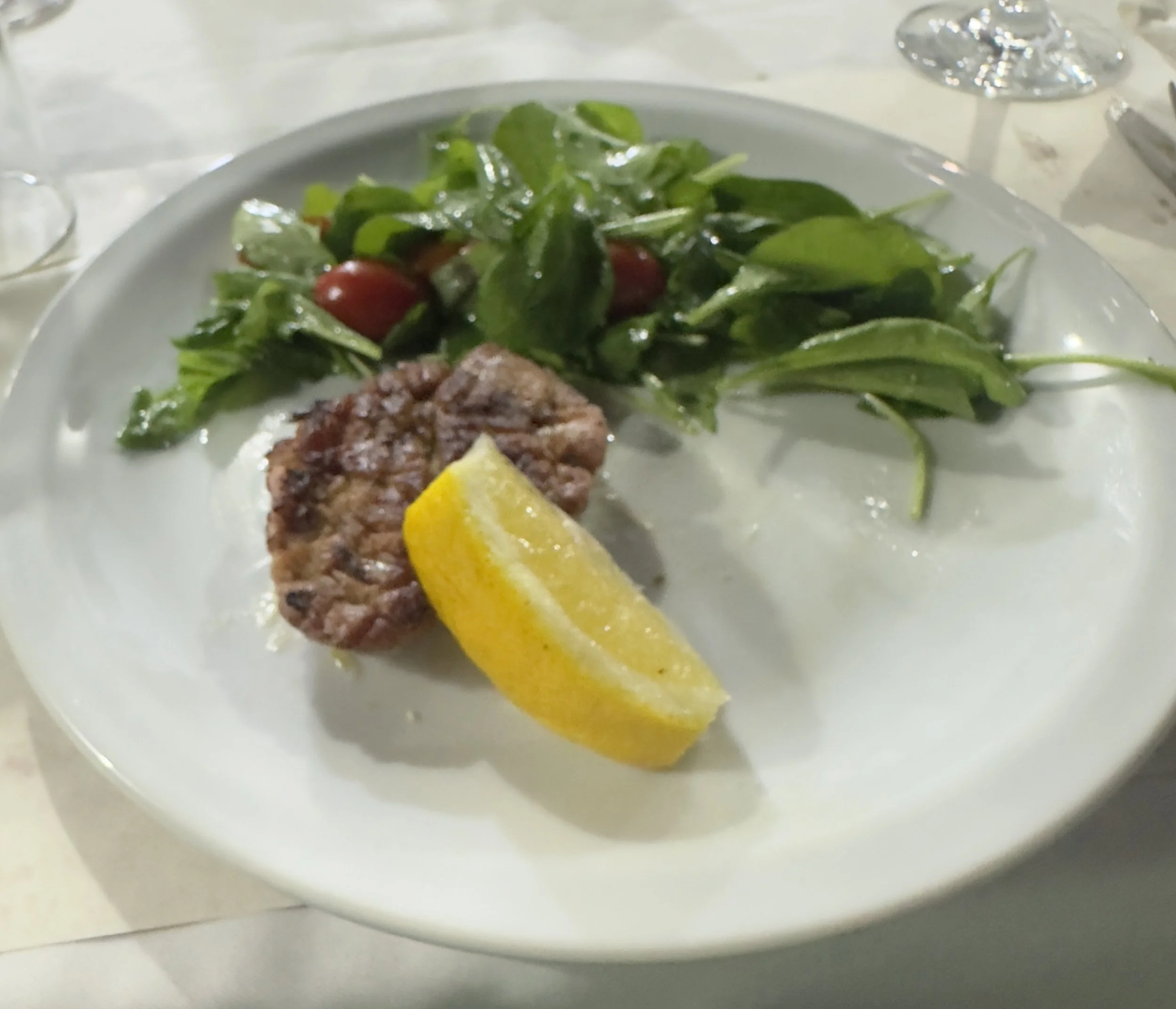
Finally, the beef courses arrived: tenderloin, skirt steak, and molleja de garganta, a highly prized cut from the cow’s neck. Argentines take immense pride in the natural flavor of their beef, and it shows. Lightly seasoned with salt (and honestly, it didn’t even need that), every cut was incredibly tender—even the skirt steak.
The brothers made sure no glass was empty and no plate went unfinished.
A Sweet Finish—and a Bold Claim
Dessert was a rich caramel gelato, accompanied by a bold claim: that Argentines, not Italians, invented gelato—and that Argentine gelato is better. While I’ll let historians debate the first part, I can confidently say this was some of the best gelato I’ve ever had. And that’s coming from someone who’s taken gelato-making classes in northern Italy and considers himself an amateur gelato connoisseur.
Music, Tango, and a Perfect Ending
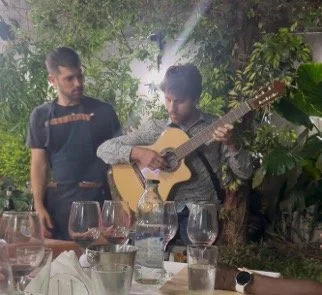
As if the eight-course meal, flowing Argentine wine, and incredible company weren’t enough, the night ended with a solo guitarist performing different versions of tango songs. Each piece came with a brief explanation and a touch of history, adding yet another layer of cultural richness to an already unforgettable evening.
Final Thoughts
As I write this, I can still taste the food, smell the smoke, and hear the music. It was an evening that connected me deeply to Argentina and forever changed how I think about grilling and barbecue.
If you find yourself in Buenos Aires, I can’t recommend this experience enough. You can book it through Viator by clicking here, and you can also follow the brothers on Instagram at @ba_meatandgrill.
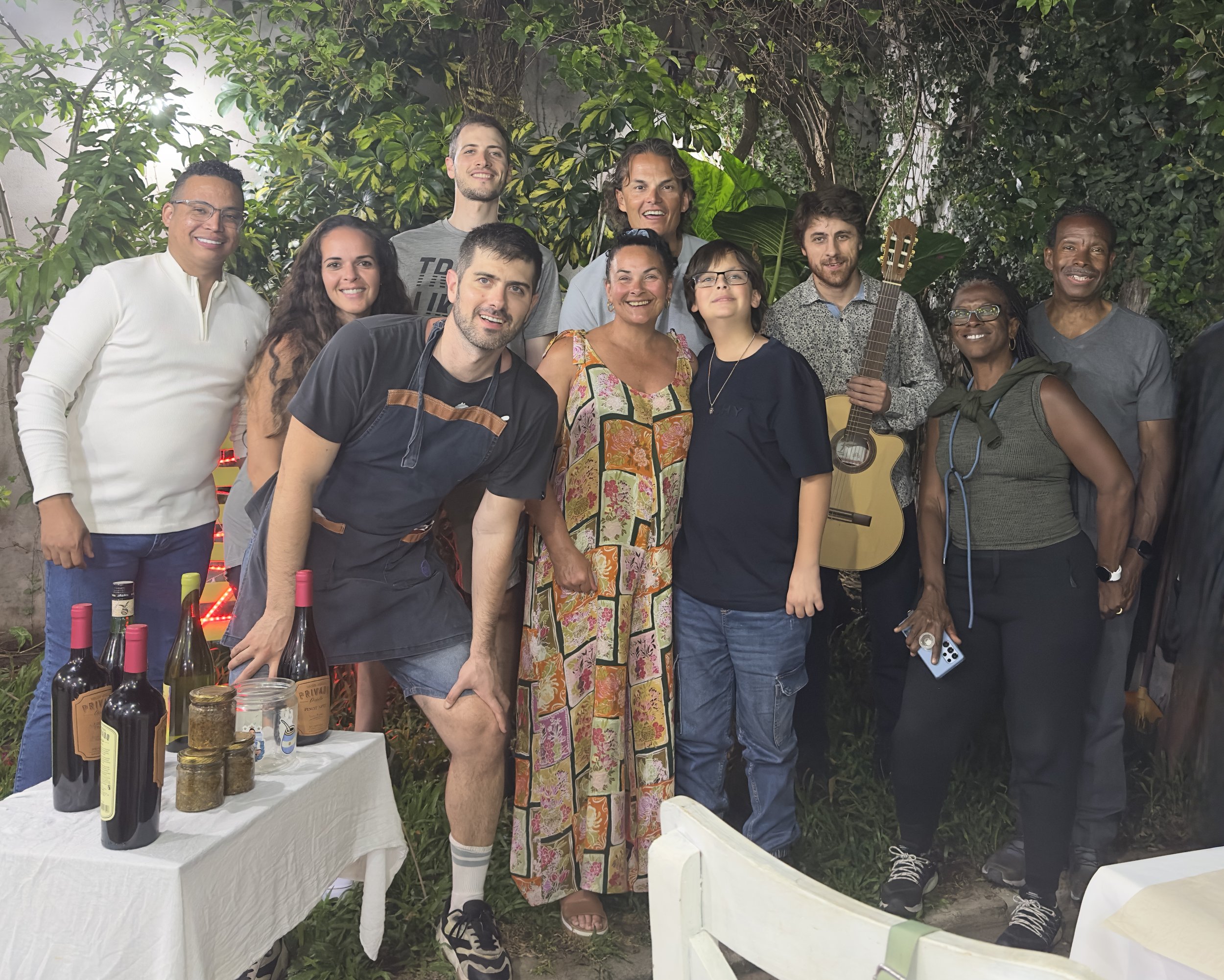
This wasn’t just a meal—it was a memory.
