
Milan, Italy · City Stopover · Trip Story
24 Hours in Milan: The Last Supper, a Castle, and a Night at San Siro
I expected a fashion capital. What I found was a duke's castle, a worn-out bull in a shopping arcade, a painting that survived a bombing, and a stadium full of Inter fans.
Disclosure: Some of the links in this post are affiliate links. If you click through and book a tour or experience, we may earn a small commission — at no additional cost to you.
Milan was never on my bucket list. I knew it as a fashion capital. I'd watched Stanley Tucci eat his way across Italy, and I knew plenty of people who flew into Milan just to get out of it on their way to Lake Como. Interesting, sure. But not a place I'd ever planned a trip around.
This trip wasn't about Milan at all. Our youngest son was invited to travel with his high school soccer team over spring break to train in Verona and play against Italian teams. We flew into Milan a day ahead of the team, which gave us exactly 24 hours in the city before camp started. No list of expectations, and not much research behind us. Maybe that's why Milan caught me off guard. Underneath the storefronts is a city where almost everything connects back to something older: a duke, a cathedral, a war, a rivalry. By the end of the day I kept running into the same names in different places, and the city started to feel less like a shopping stop and more like a story.
The Day at a Glance
Castello Sforzesco: Where the Story Starts
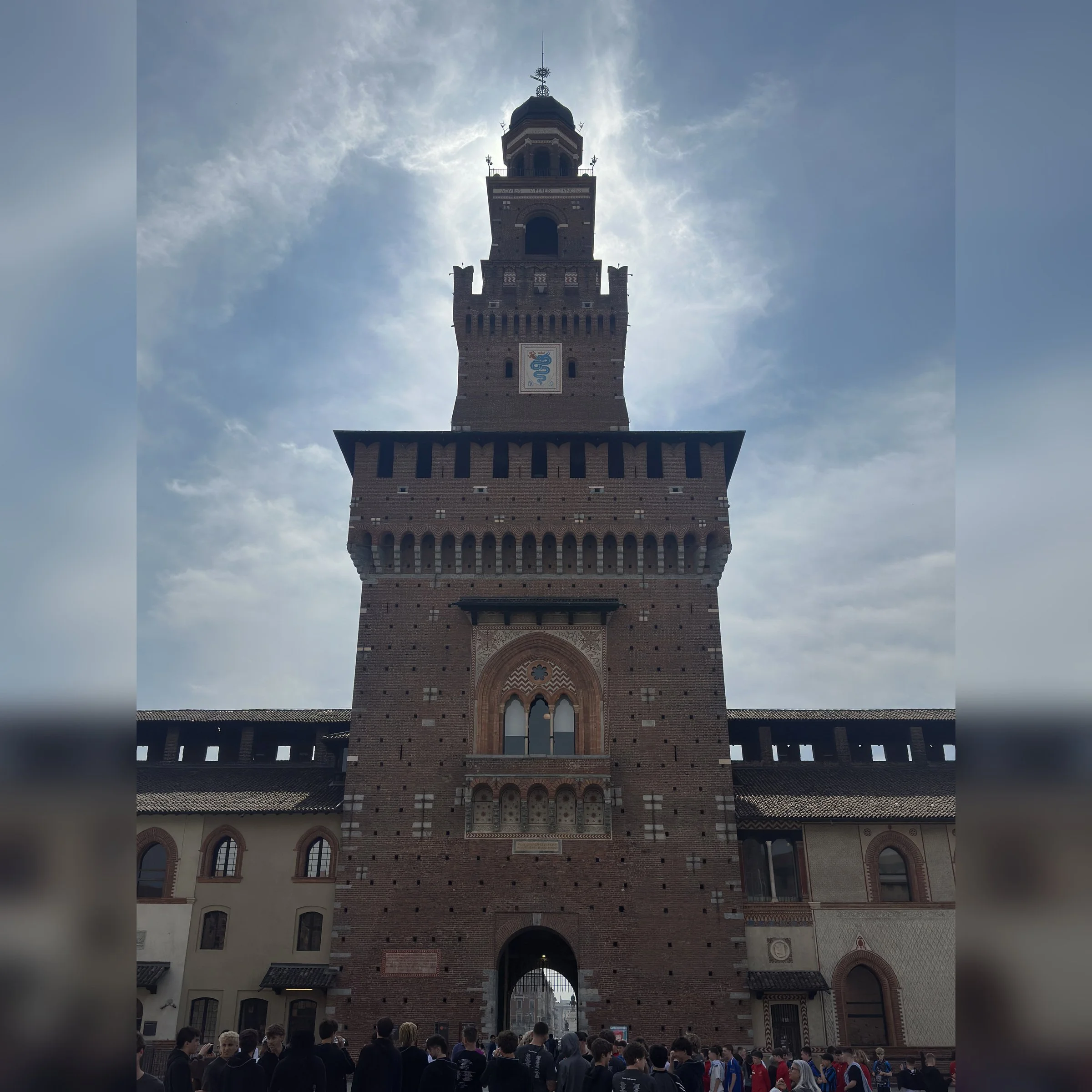
We went straight from the plane to Castello Sforzesco. It's a massive red-brick fortress on the edge of the old city, with a tall central gate tower and a dry moat you cross on a bridge to get inside.
The castle takes its name from the Sforza family. Francesco Sforza seized power in Milan in 1450 and rebuilt an older fortress into the castle you see today. The tower over the main gate, the Torre del Filarete, has its own story. In 1521, while it was being used to store gunpowder, it exploded and was destroyed. What you see now is a reconstruction, finished in 1905 from 16th-century drawings. It's a good early lesson for Milan: a lot of what looks original has been destroyed and rebuilt at least once.
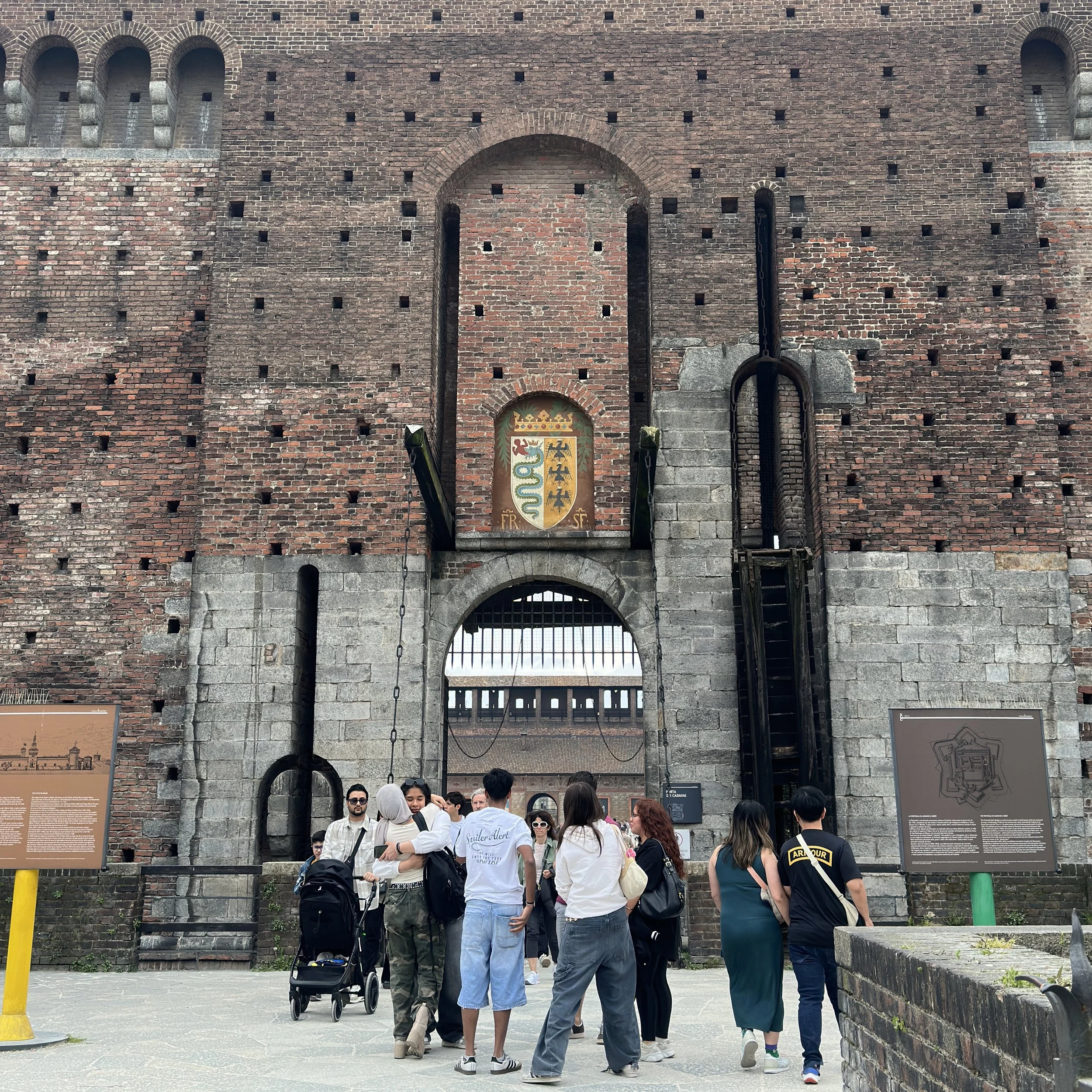
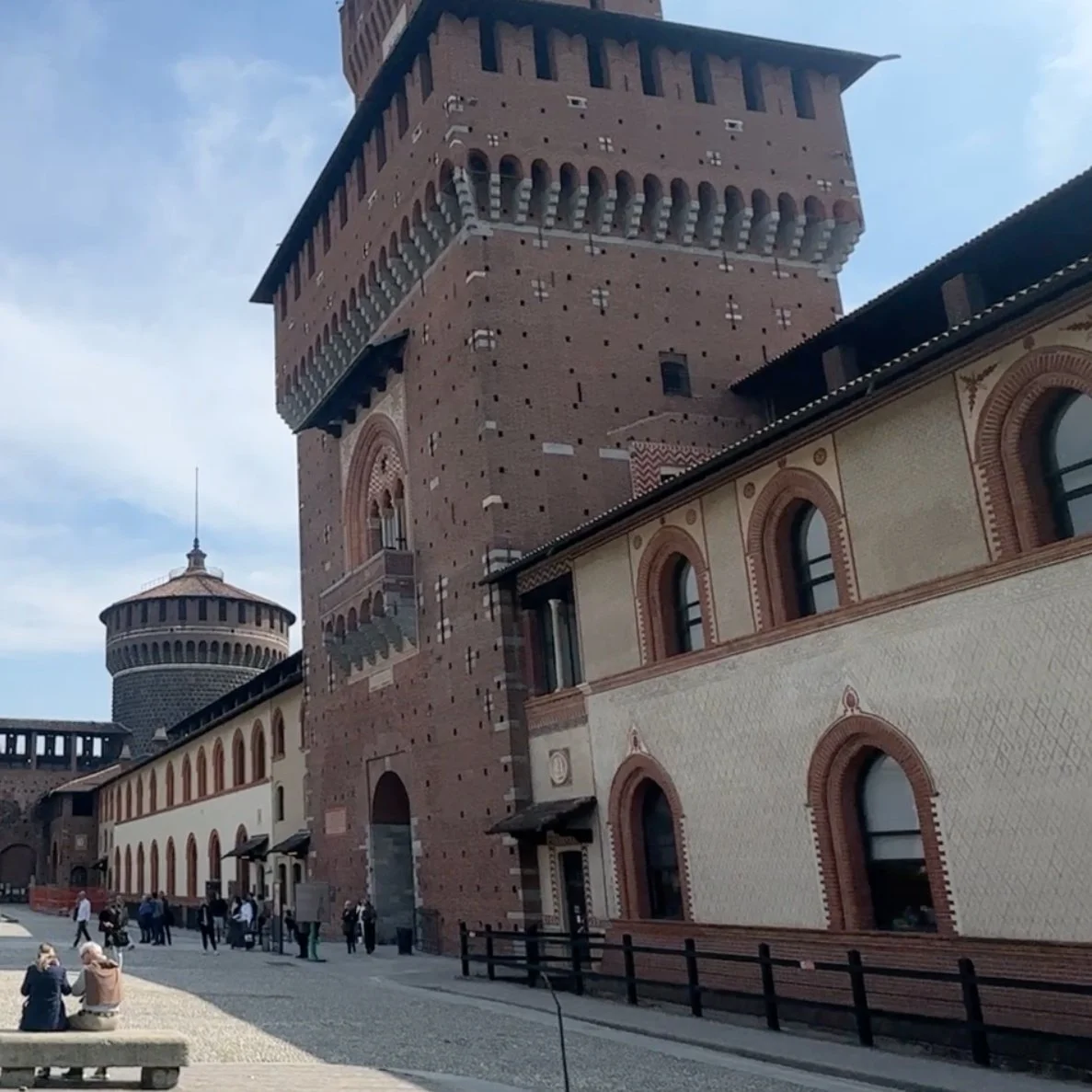
Crossing into Castello Sforzesco and its courtyard. The castle was built in the 1400s and largely restored around 1900.
The name to remember from the castle is Ludovico Sforza, Francesco's son, nicknamed "il Moro." He ruled Milan from this castle in the 1480s and 1490s, and he brought a young artist named Leonardo da Vinci to his court. I didn't know it standing at the gate, but Ludovico would show up again later in the day.
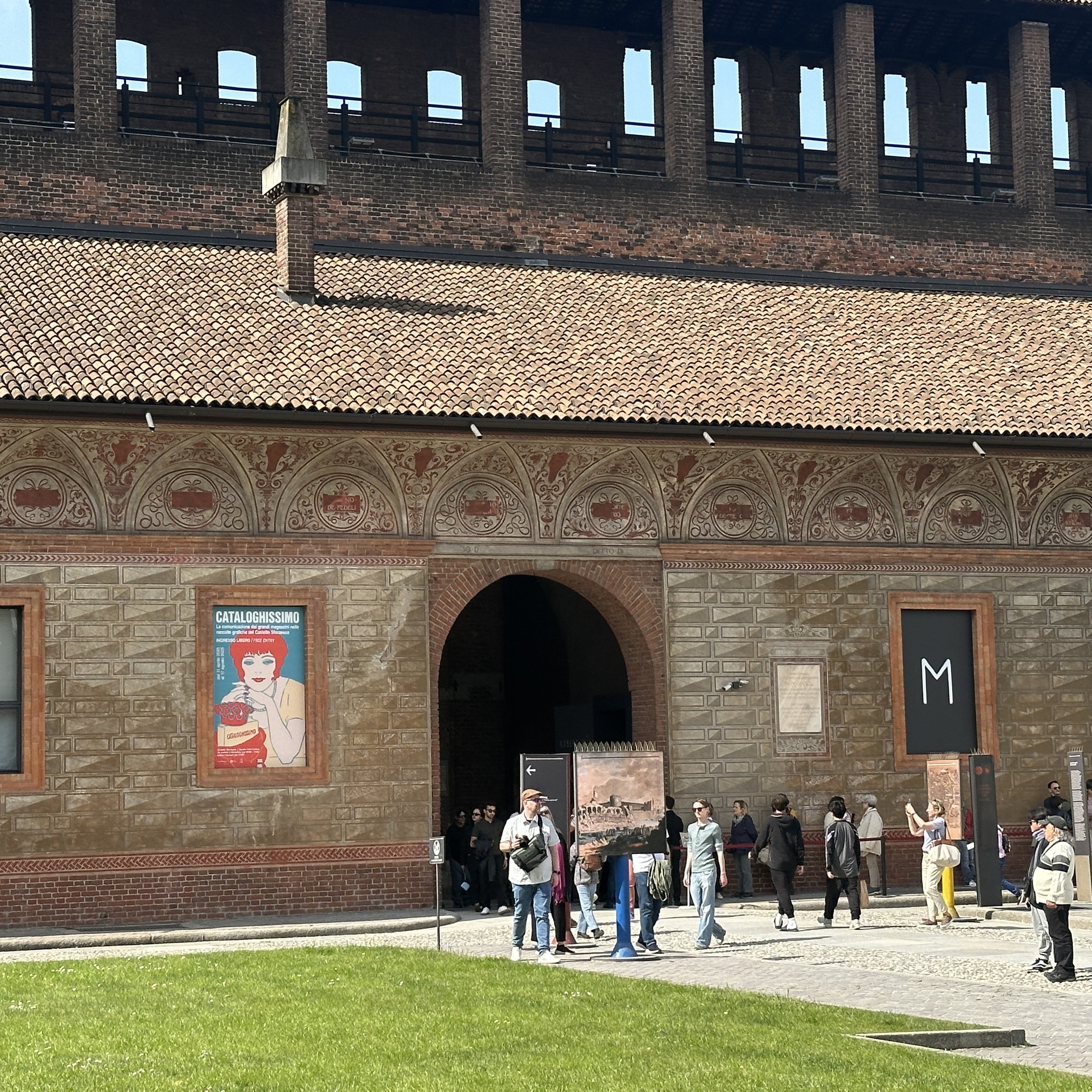
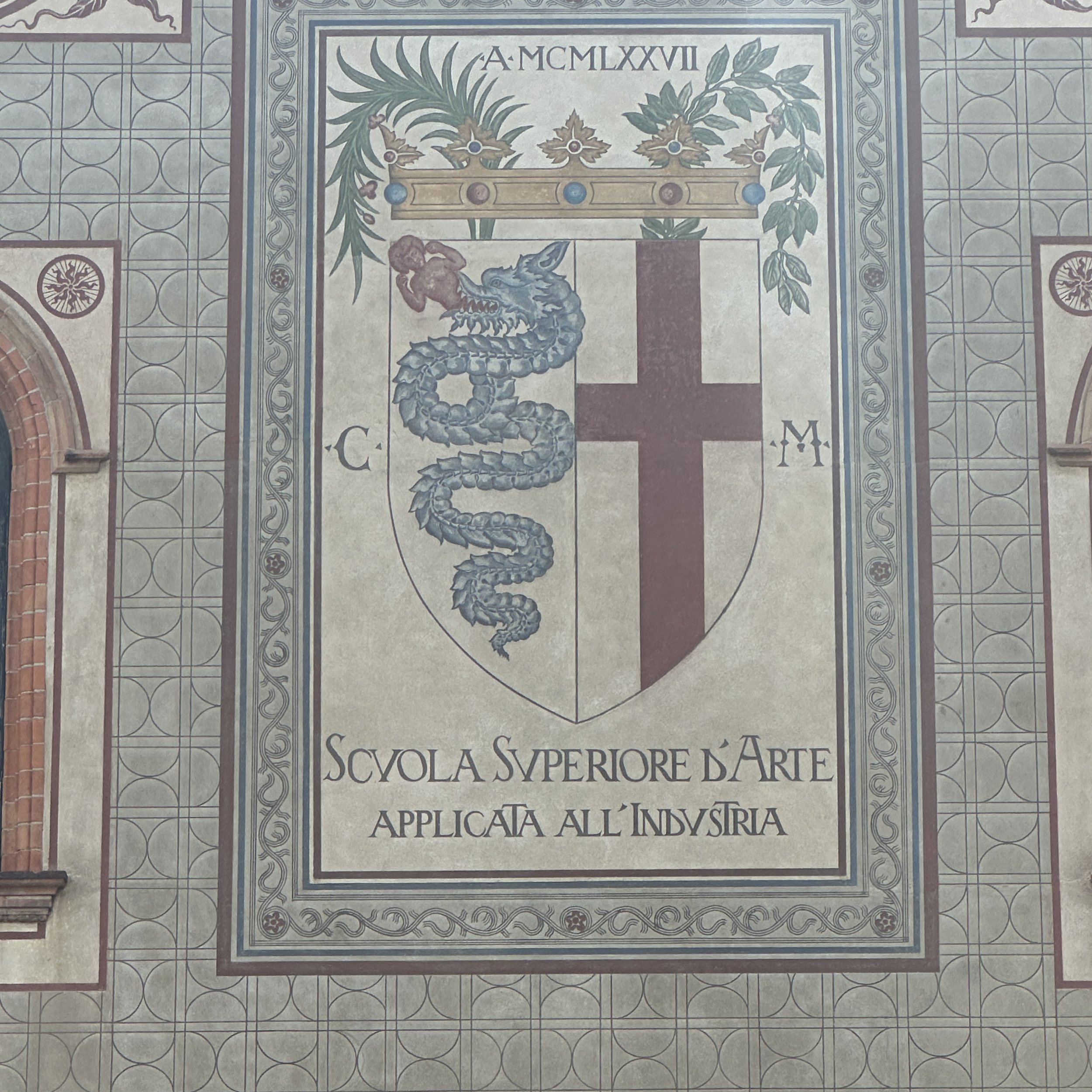
Inside the walls. The viper on the left was the emblem of the Visconti, the family the Sforzas took over from.
The Galleria, a Lucky Bull, and a Burger King
From the castle it's about a kilometer down Via Dante, a wide pedestrian street, to the center of the city. There you find the Duomo di Milano and, right beside it, the Galleria Vittorio Emanuele II.
The Galleria is a cross-shaped shopping arcade under a glass and iron roof, built between 1865 and 1877 and named for the first king of a newly unified Italy. The Milanese call it "il salotto di Milano," Milan's living room. It also has a sad backstory. Its architect, Giuseppe Mengoni, fell from the scaffolding and died the day before the arcade was finished. Today it's lined with Prada, Gucci, Louis Vuitton, and the rest of the names Milan is known for.
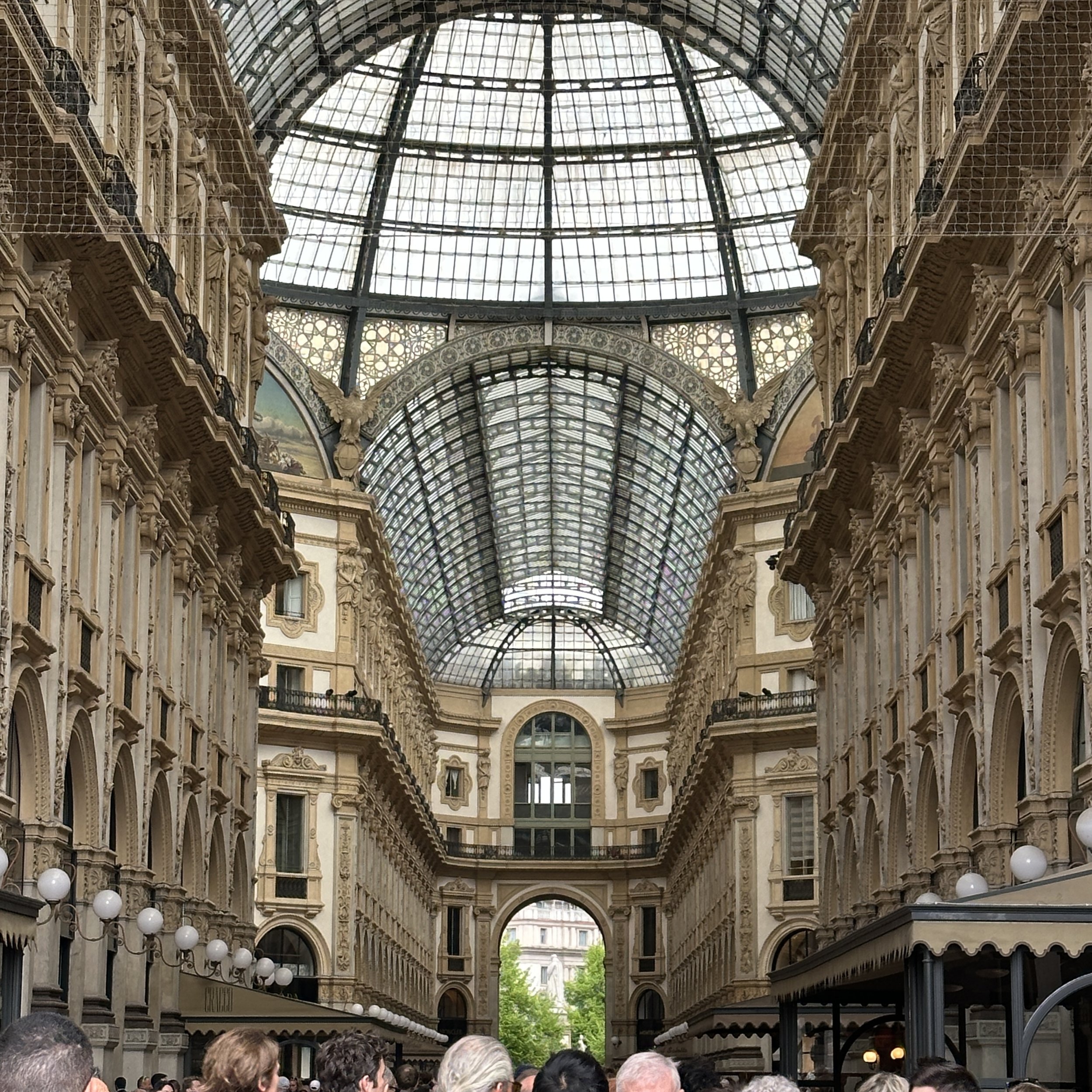
Inside the Galleria, Milan's "living room," finished in 1877.
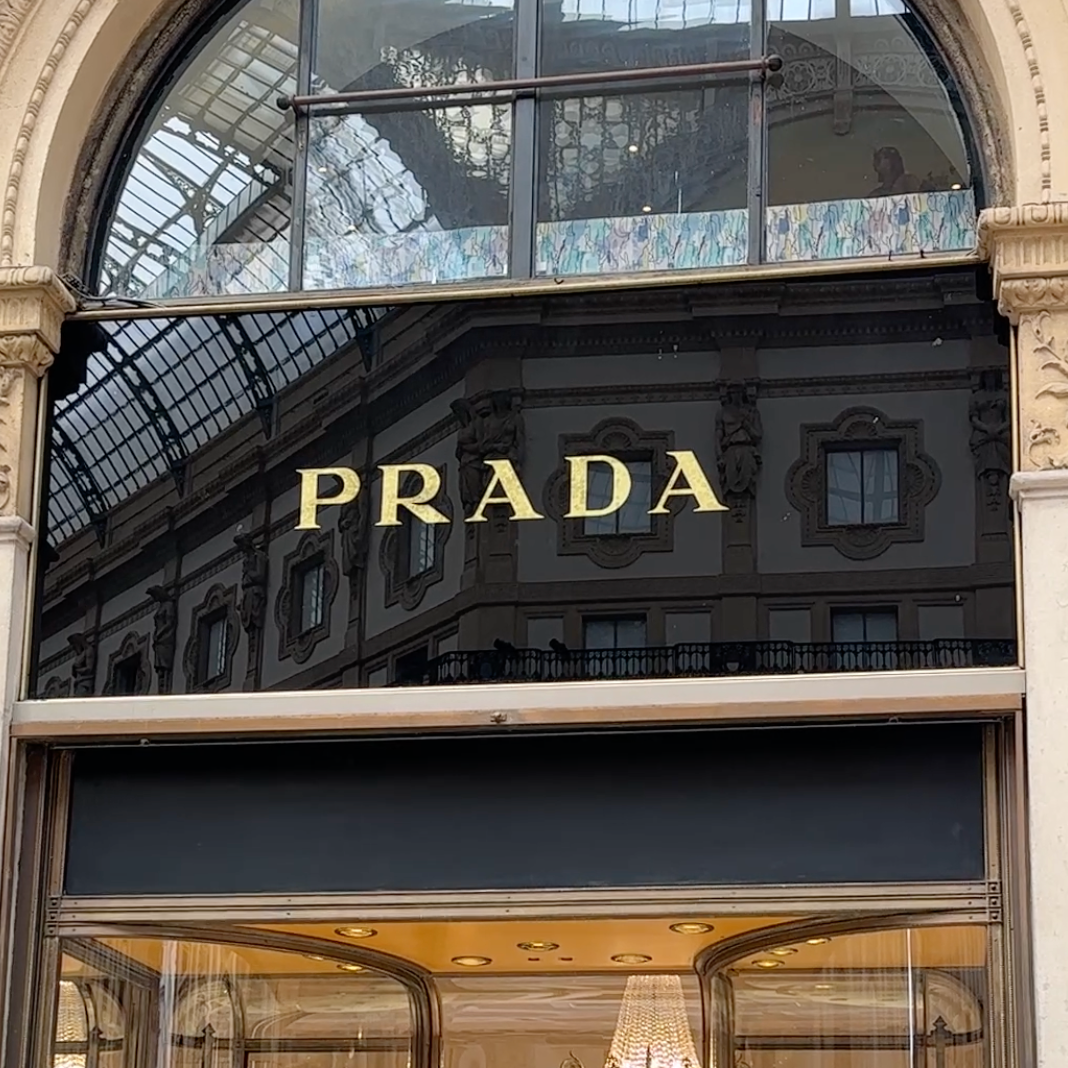
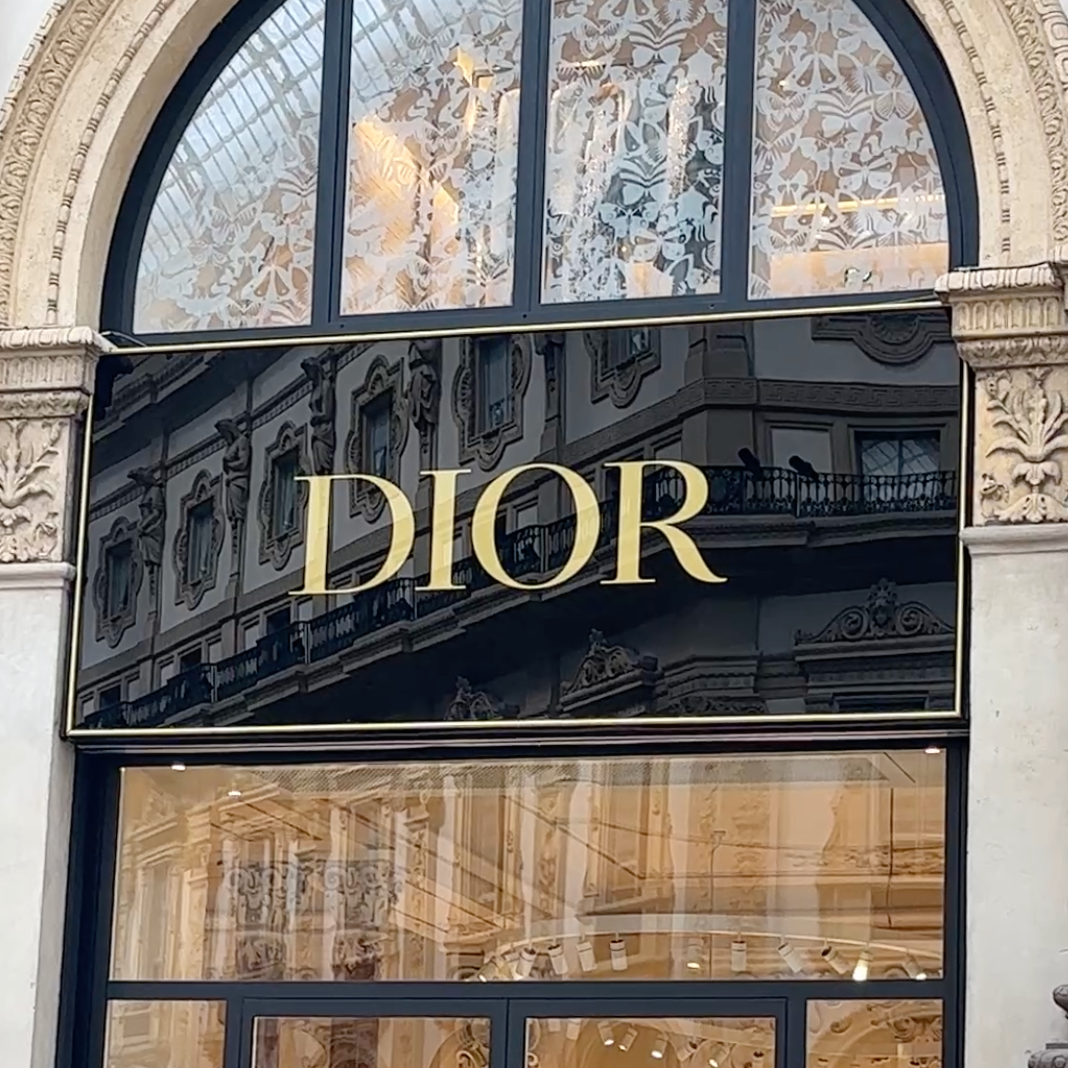
Prada and Dior. Every sign in the Galleria follows the same black-and-gold rule.
The Bull in the Floor
Two things caught my attention in the Galleria, and neither was a storefront. The first was a tile mosaic near the center of the arcade, where people kept stopping, planting a heel, and spinning in a circle.
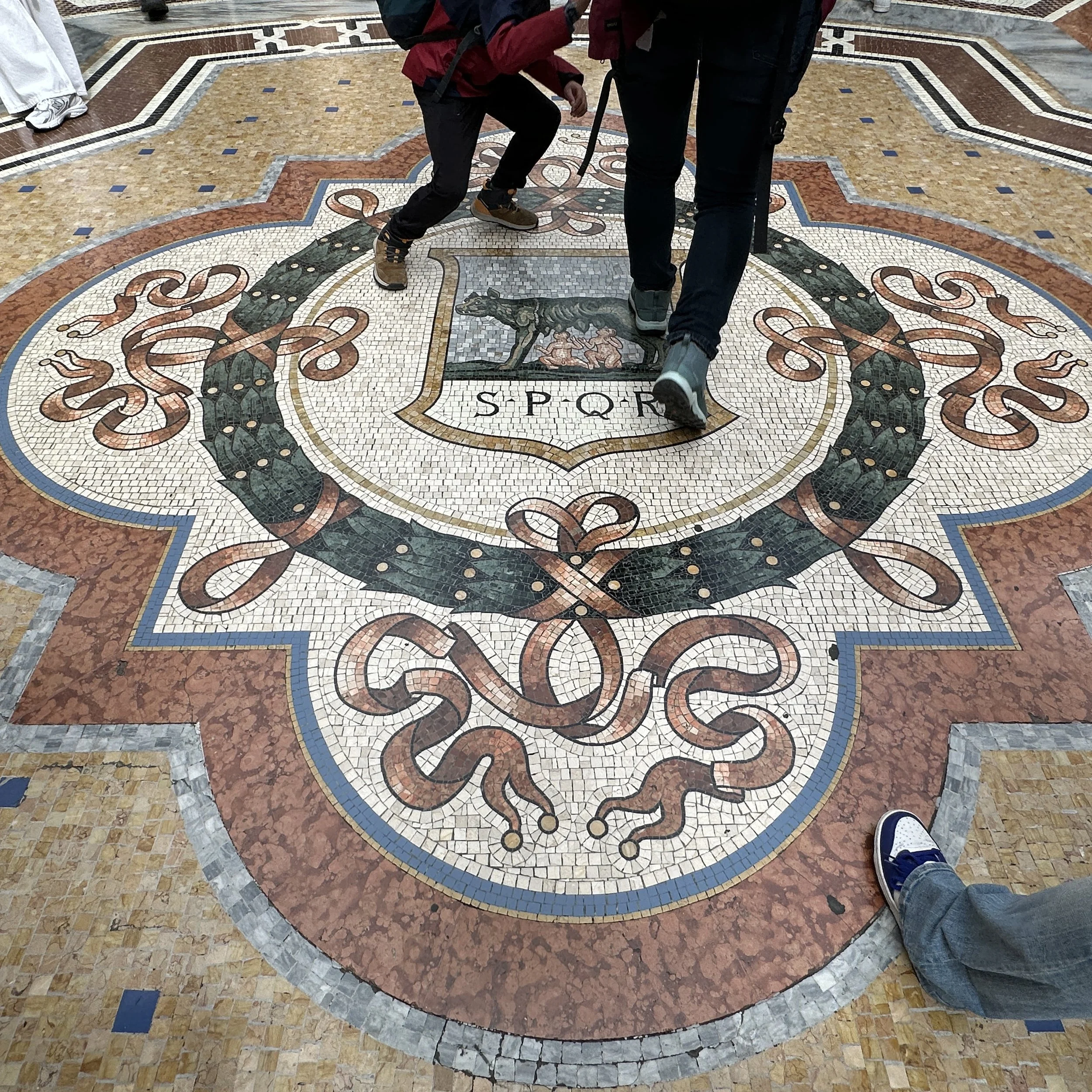
I looked it up later. The floor at the center of the Galleria holds four mosaics, the coats of arms of Italy's early capitals: Milan, Rome, Florence, and Turin. Turin's is a bull. The tradition is to put your heel on a very specific part of that bull and turn around three times for good luck, or to make sure you come back to Milan. So many people have done it that the spot has worn into a hole and has had to be repaired more than once. In the middle of one of the most expensive shopping streets in Europe, everyone lines up to spin on a worn-out patch of tile.
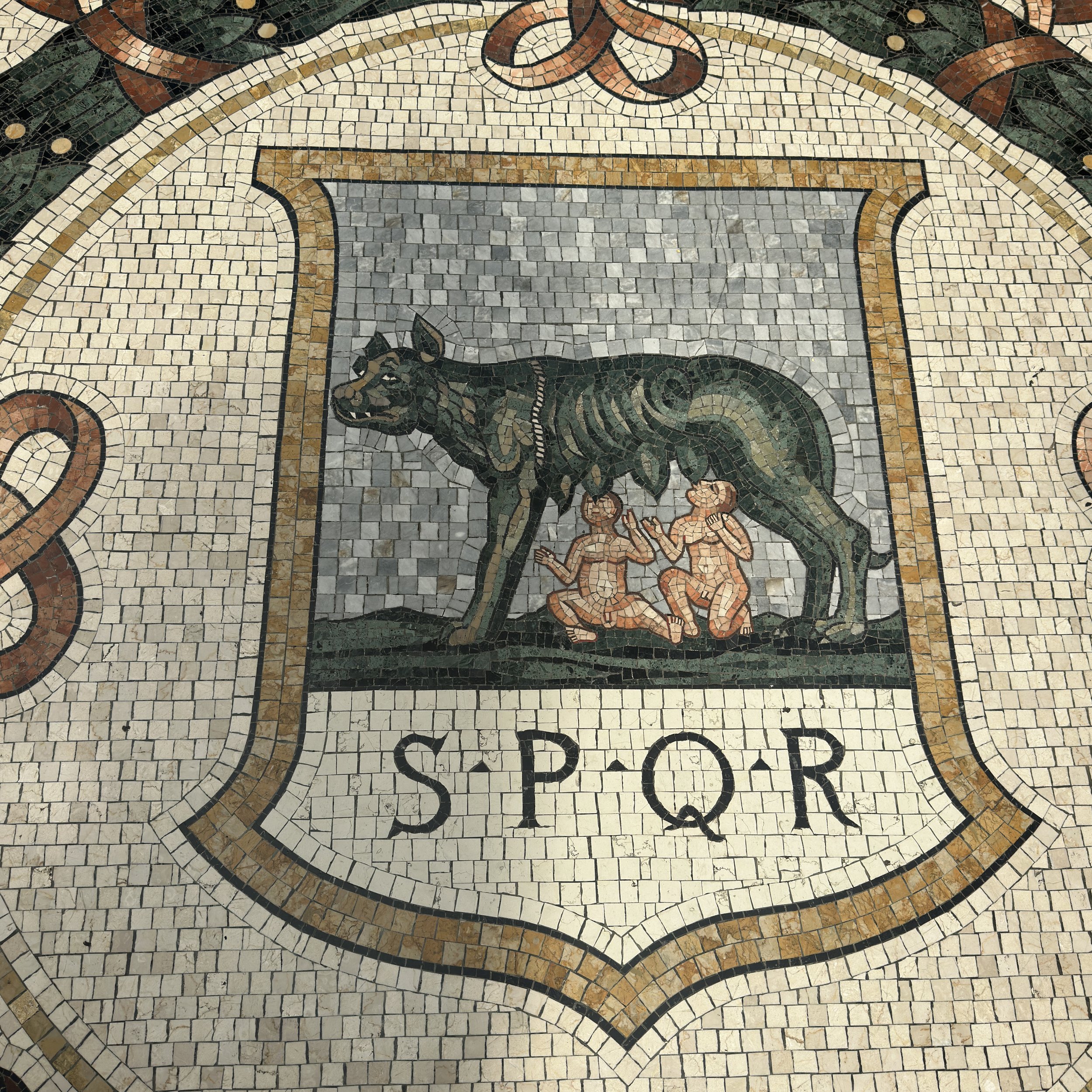
Rome's she-wolf, one of the four city mosaics in the Galleria floor. Turin's bull, the one you spin on, is a few steps away.
The second was a Burger King on the second floor, surrounded by luxury flagships. It's more surprising than it sounds. The Galleria is strict about its image. Every storefront sign has to be black and gold, and in 2012 McDonald's lost its lease here after 20 years. My theory on the Burger King: you spend everything you have in one of those shops, and what's left covers a Whopper.
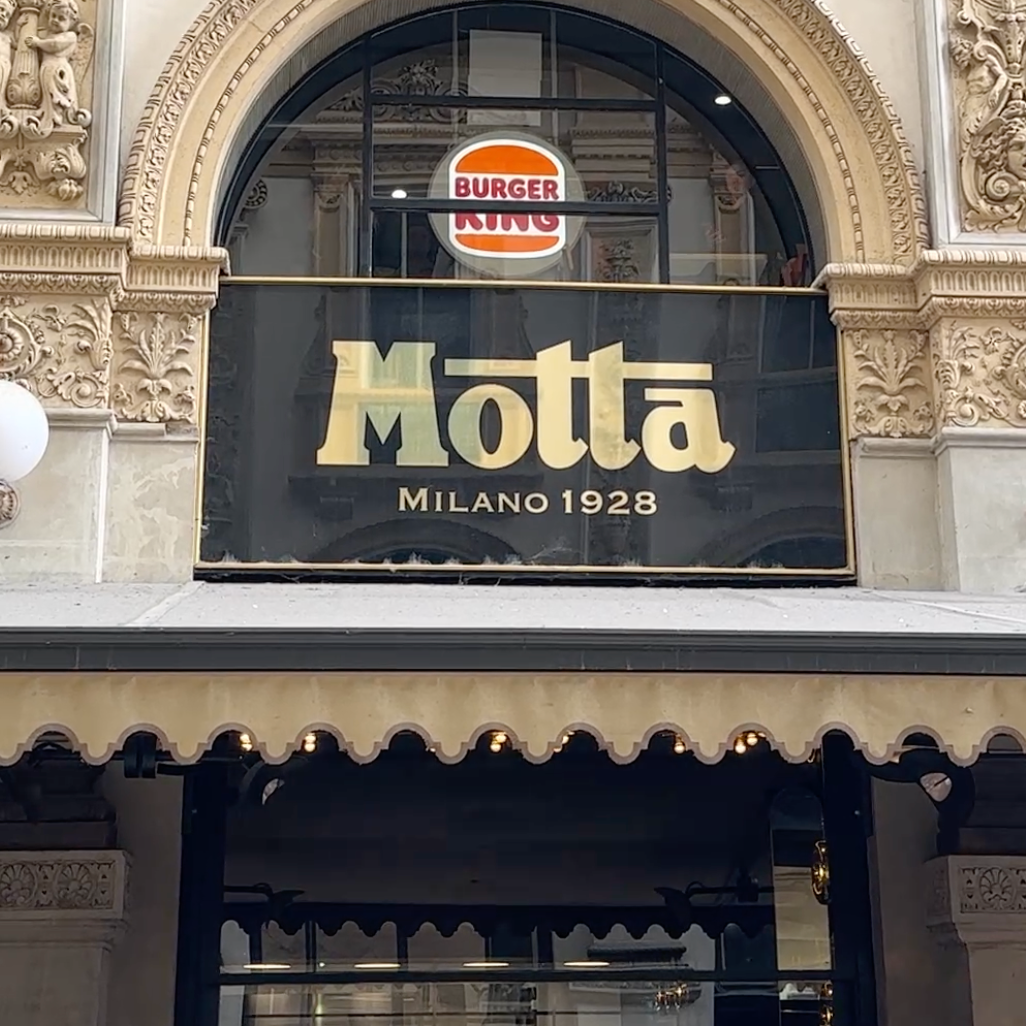
Yes, really: a Burger King, upstairs in the Galleria.
The Duomo, from the Steps
The Duomo is hard to take in. Construction started in 1386, and the cathedral wasn't considered finished until the 1960s, nearly six centuries later. It was Napoleon, of all people, who pushed to finish the façade, and he was crowned King of Italy inside in 1805. On the highest spire stands a small gilded statue of the Virgin Mary, the Madonnina, watching over the city. Remember her, too. She comes back later.
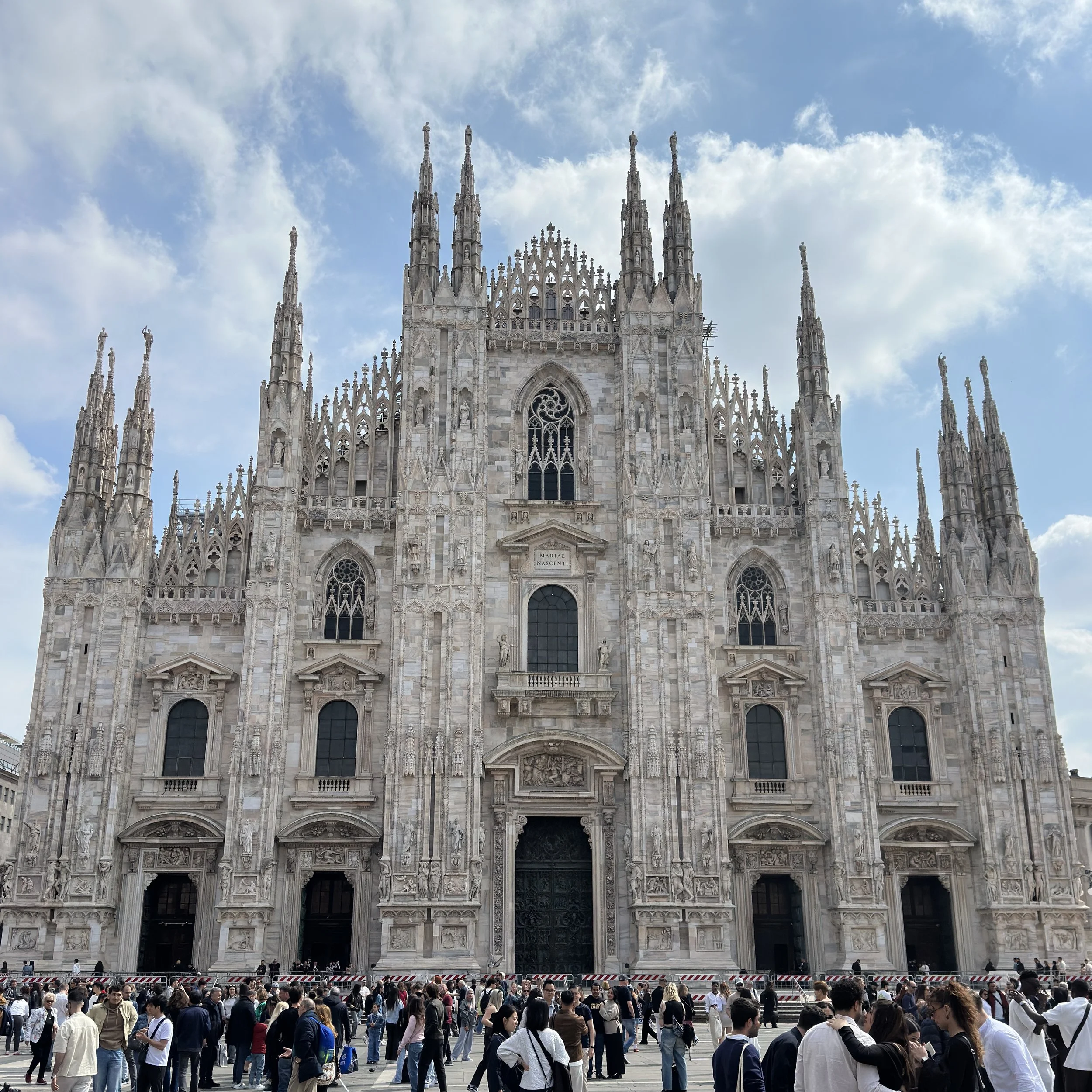
The Duomo di Milano, begun in 1386.
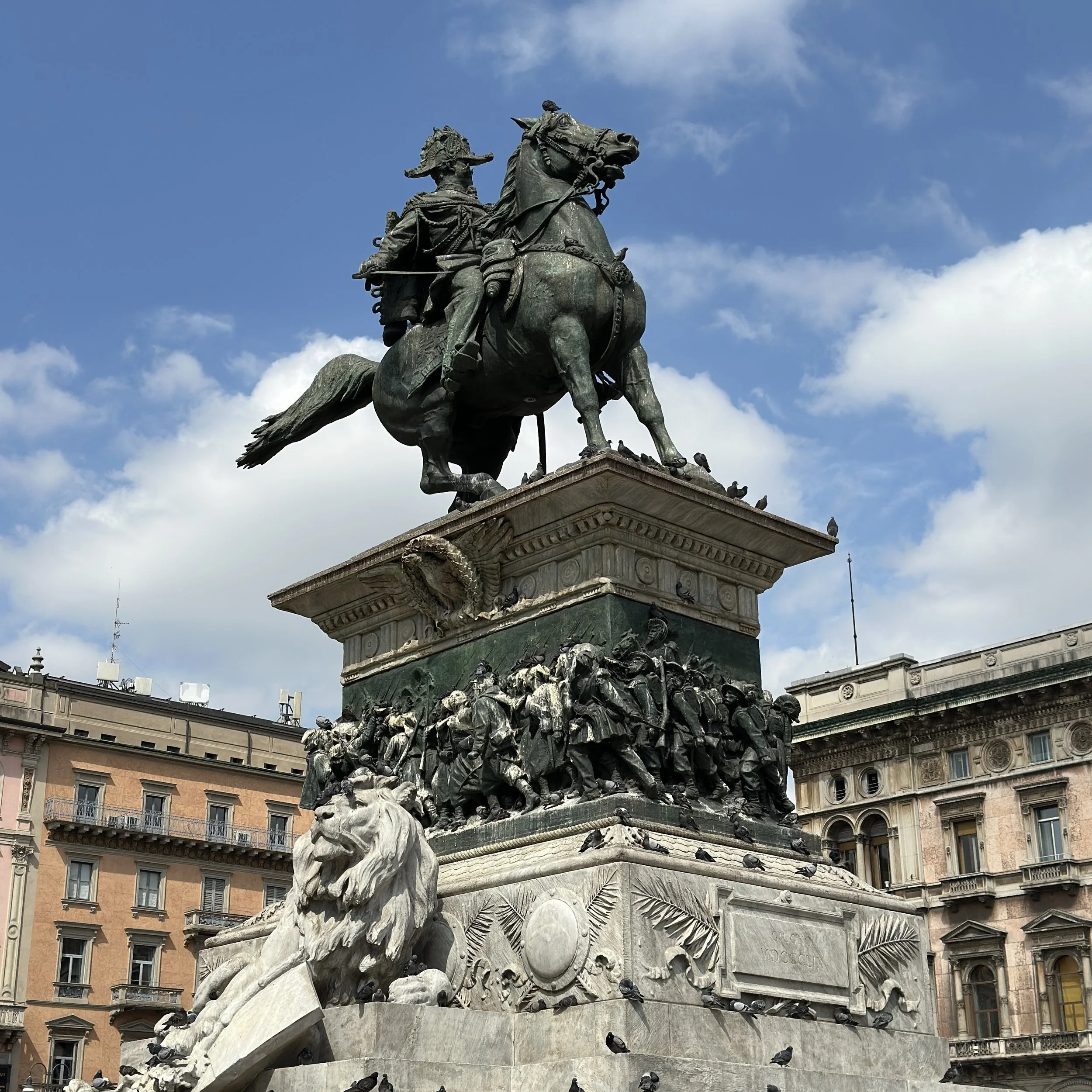
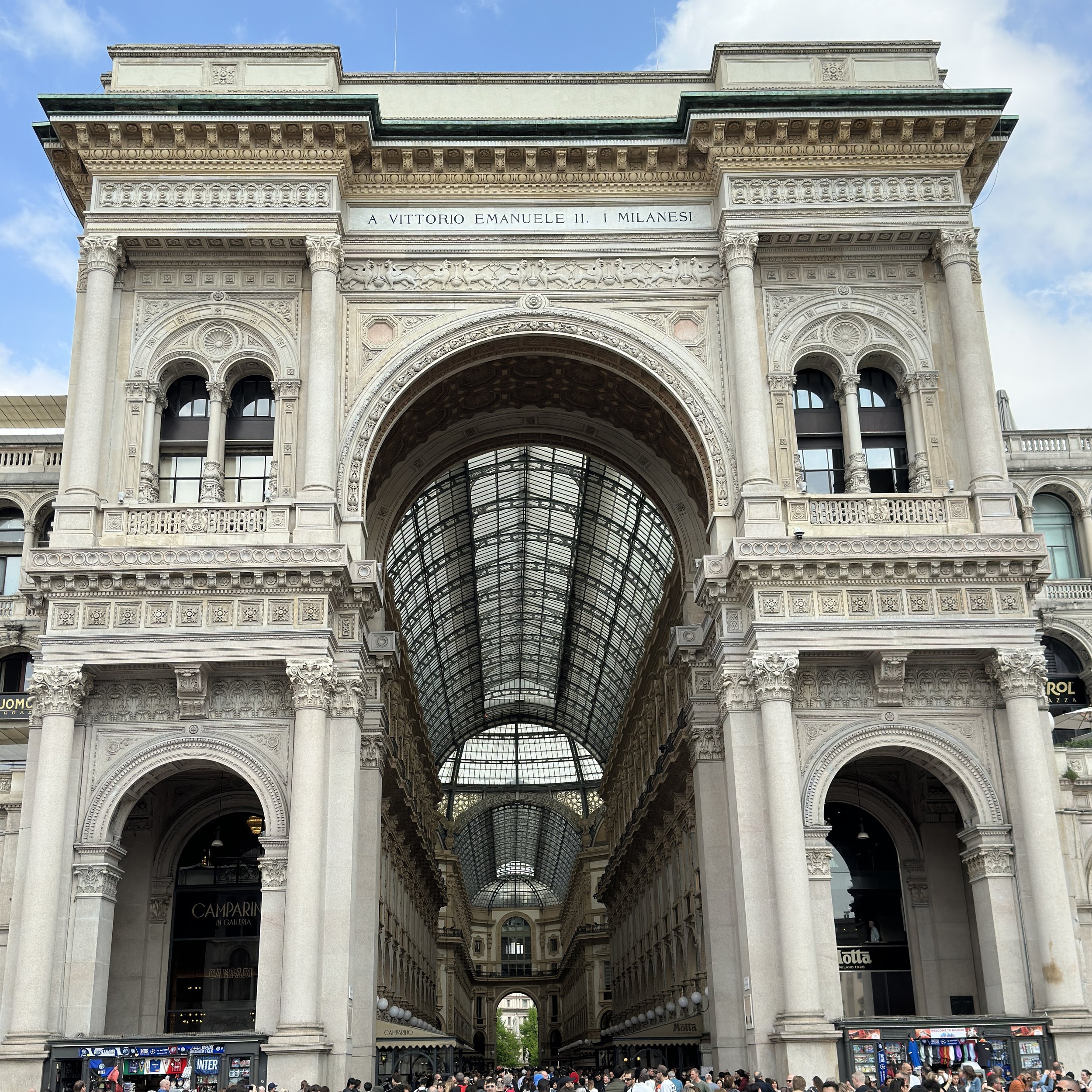
More of the Duomo from Piazza del Duomo.
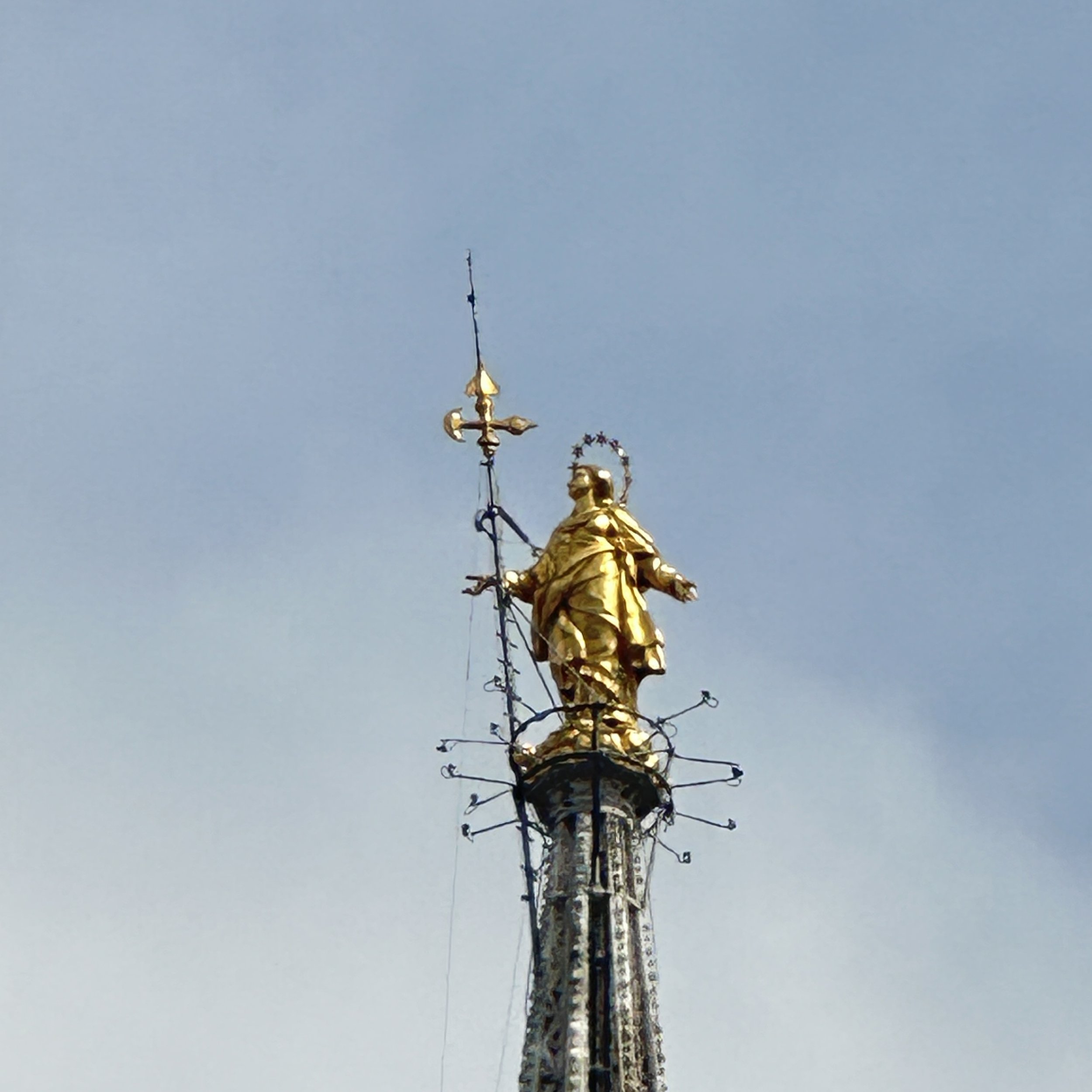
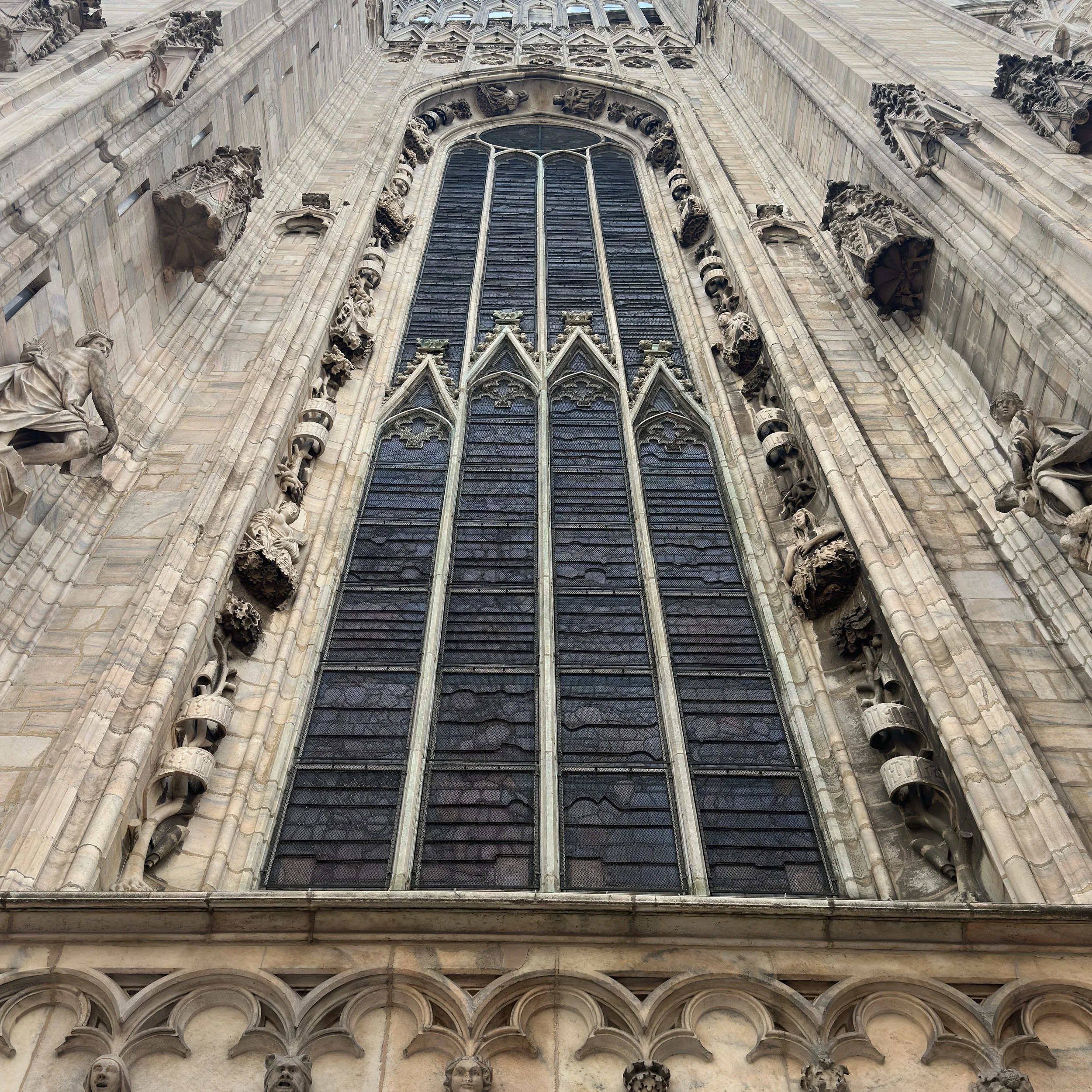
The golden Madonnina on the highest spire, and some of the Duomo's 135 spires.
I didn't go inside. I've seen pictures of the interior and I hear it's beautiful, but it wasn't what I wanted out of this day. What I did do was pay to use the public restroom beside the cathedral, grab a small bite from a nearby food vendor, and sit on the steps of one of the buildings facing the piazza.
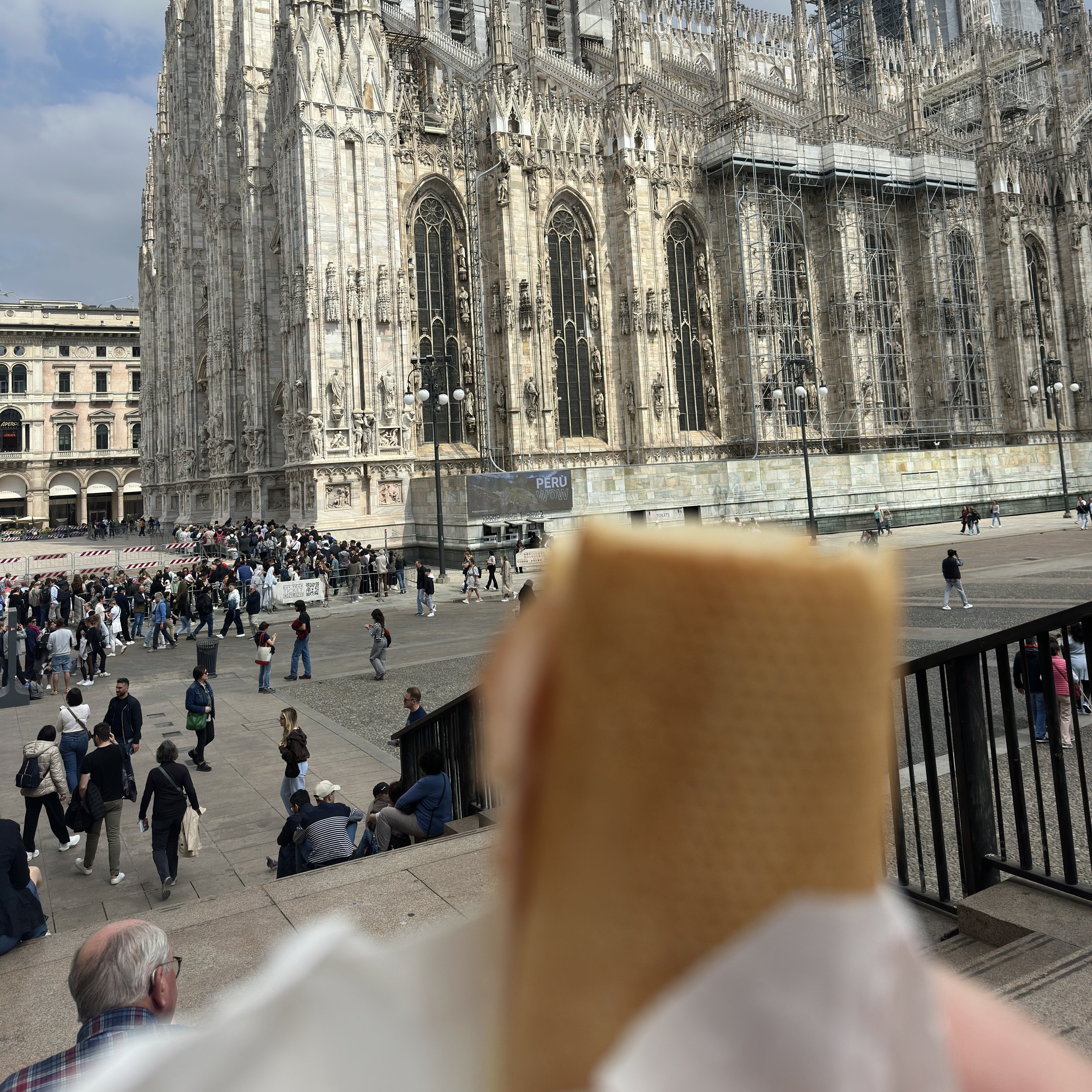
A quick bite with a view of the piazza.
I stayed a while and watched. Tour groups, shoppers, and locals cutting through on their way somewhere, all moving between the Duomo, the Galleria, and the streets around them. Sometimes the best thing you can do in a famous place is sit down and let it go by.
Watching from those steps, with tour group after tour group crossing the piazza, it was easy to see how popular the cathedral is. The Duomo is one of the most visited sights in Italy, drawing millions of people a year, and the lines for tickets and security can eat up a big part of your day. If going inside or up to the rooftop terraces is on your list, don't leave it to chance. Book a skip-the-line ticket or a guided tour ahead of time. On a short stay, the hour you'd spend in line is an hour you could spend at the Last Supper, the castle, or on the steps with a coffee. Everyone still goes through security, but you skip the ticket line and walk in at a set time, and a guide will tell you the stories behind what you're looking at.
Save Your Travel Day
Skip the Line at the Duomo
The Duomo is one of Italy's busiest sights. A skip-the-line ticket or guided tour gets you inside, or up on the rooftop terraces, without giving up half your day to the queue.
Book Your Duomo Tour Here →The Last Supper
About two weeks before the trip, a friend told me that if I was going to be in the area, I needed to see The Last Supper. I'll admit it: I had no idea it was in Milan. He also warned me that tickets go fast because they only let a small number of people in at a time. We were lucky enough to get a 4:30 p.m. slot.
The painting is at Santa Maria delle Grazie, about a 20-minute walk (roughly 1.5 kilometers) west of the Duomo.
Santa Maria delle Grazie
From the outside, the church doesn't look like what I'd call a traditional cathedral. It's built of plain red brick and terracotta, without the white marble and spires of the Duomo, and it doesn't look like anyone spent a fortune on the exterior.
This is where Ludovico Sforza comes back. In the 1490s he chose this church as his family's burial place and had it remodeled. He brought in the architect Bramante, who designed the large rounded section at the back and later worked on St. Peter's in Rome. Ludovico also hired Leonardo da Vinci, the artist from his court, to paint the wall of the convent's dining hall next door. The duke whose castle I'd walked into that morning was the man behind the painting I was about to see.
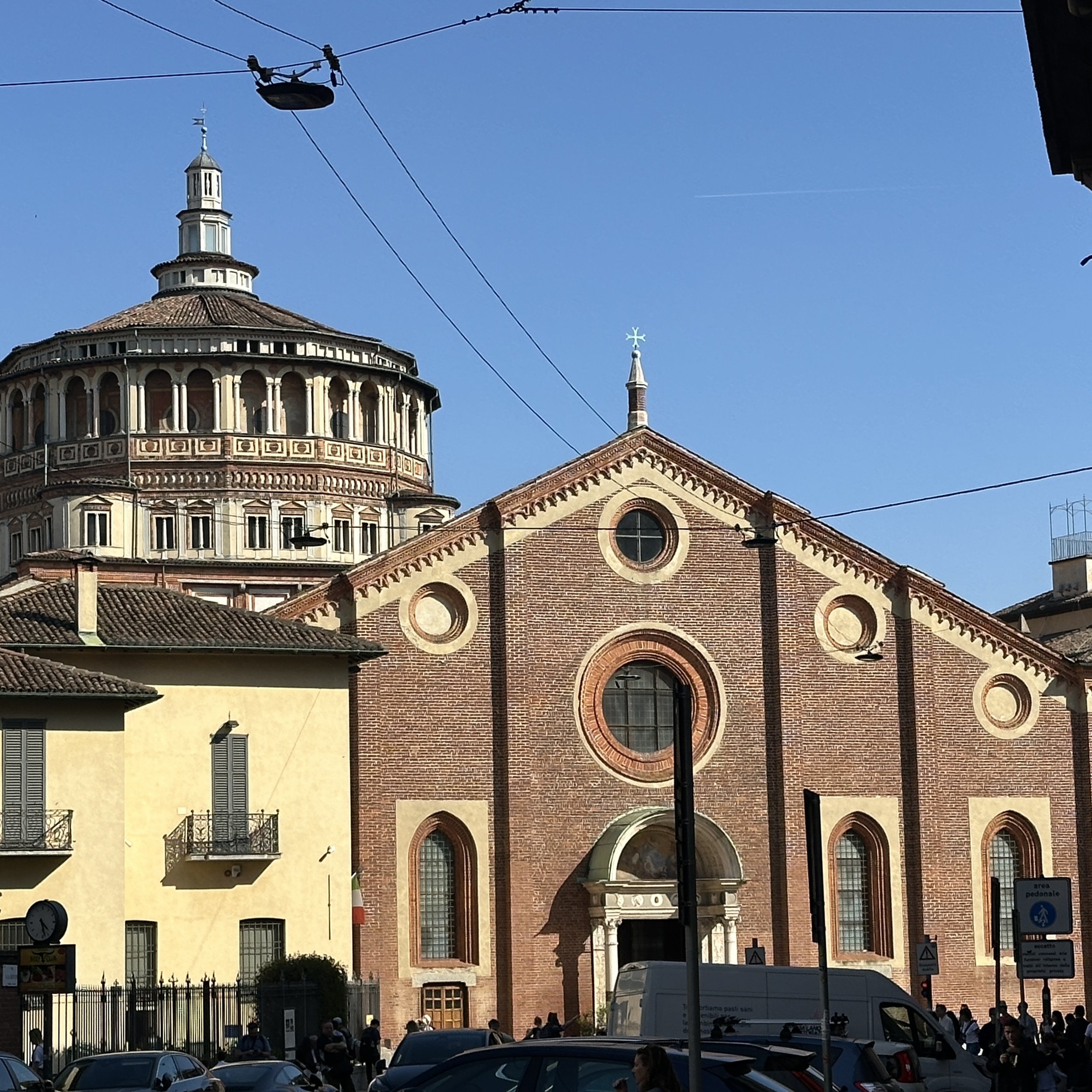
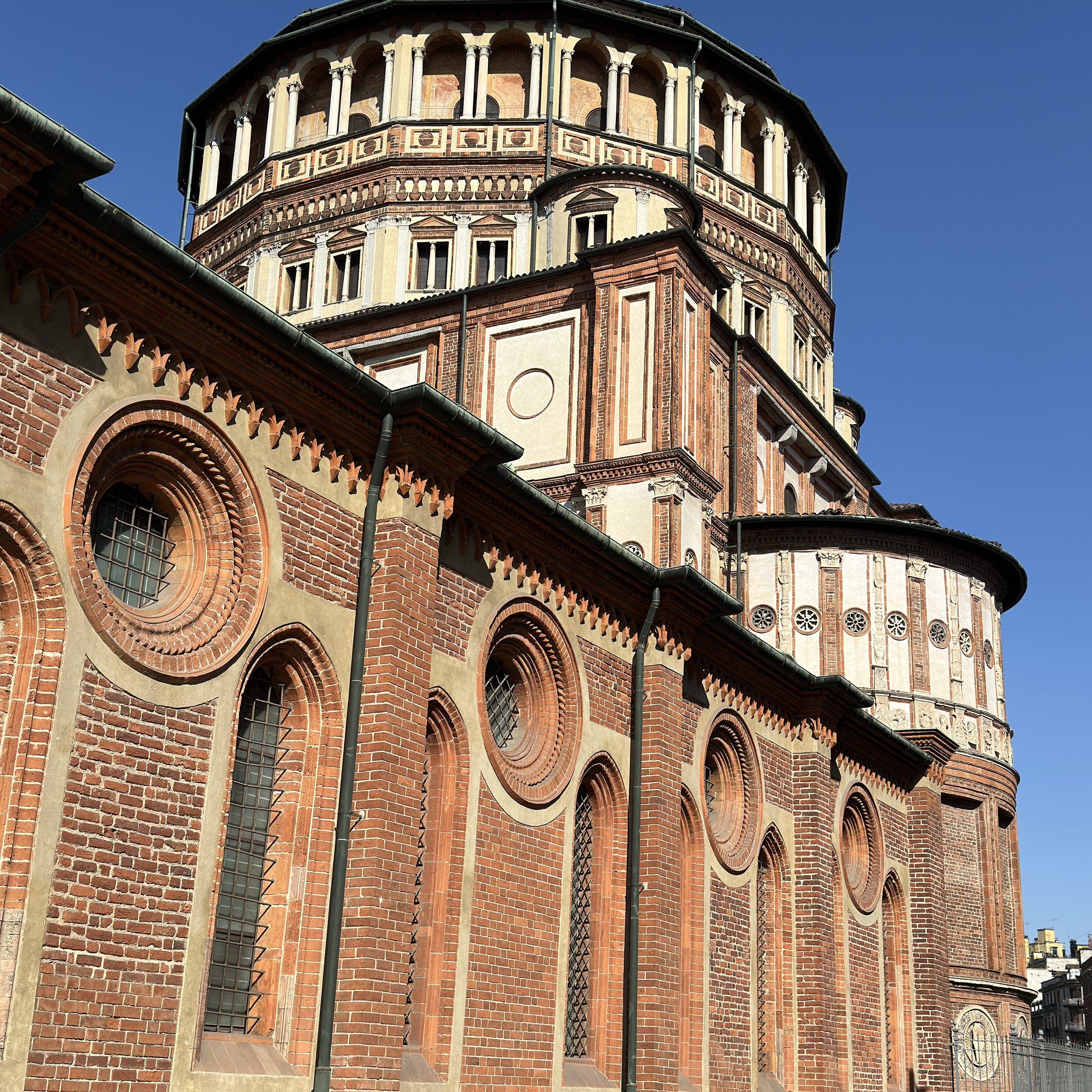
Santa Maria delle Grazie from the street, and Bramante's rounded tribune at the back.
Inside, the church is a different story. From the floor to the ceiling, every surface is painted, carved, or decorated, with frescoes and murals on the walls, and the whole space is clearly well cared for. Our visit started with a walk through the church, and it set the tone for what came next.
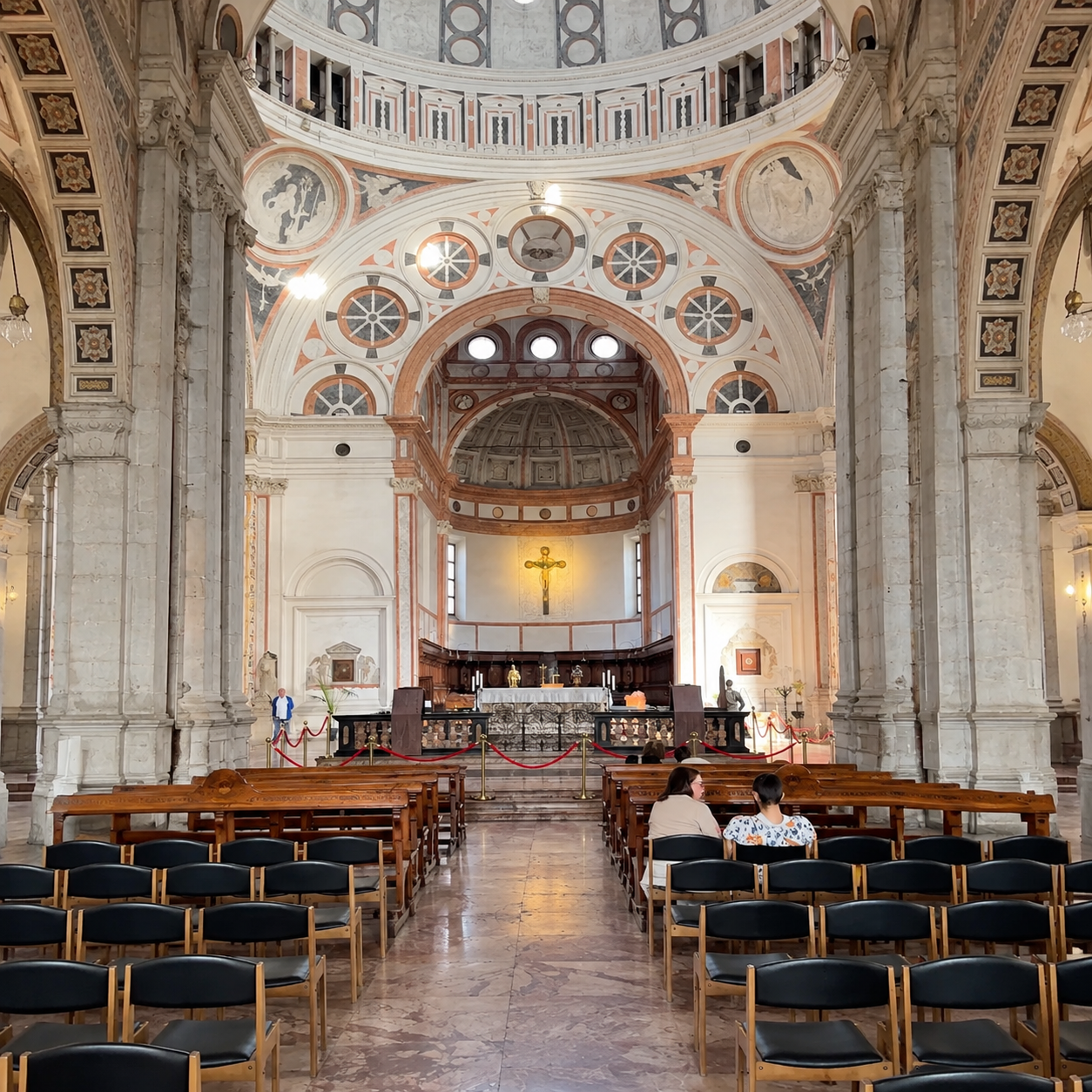
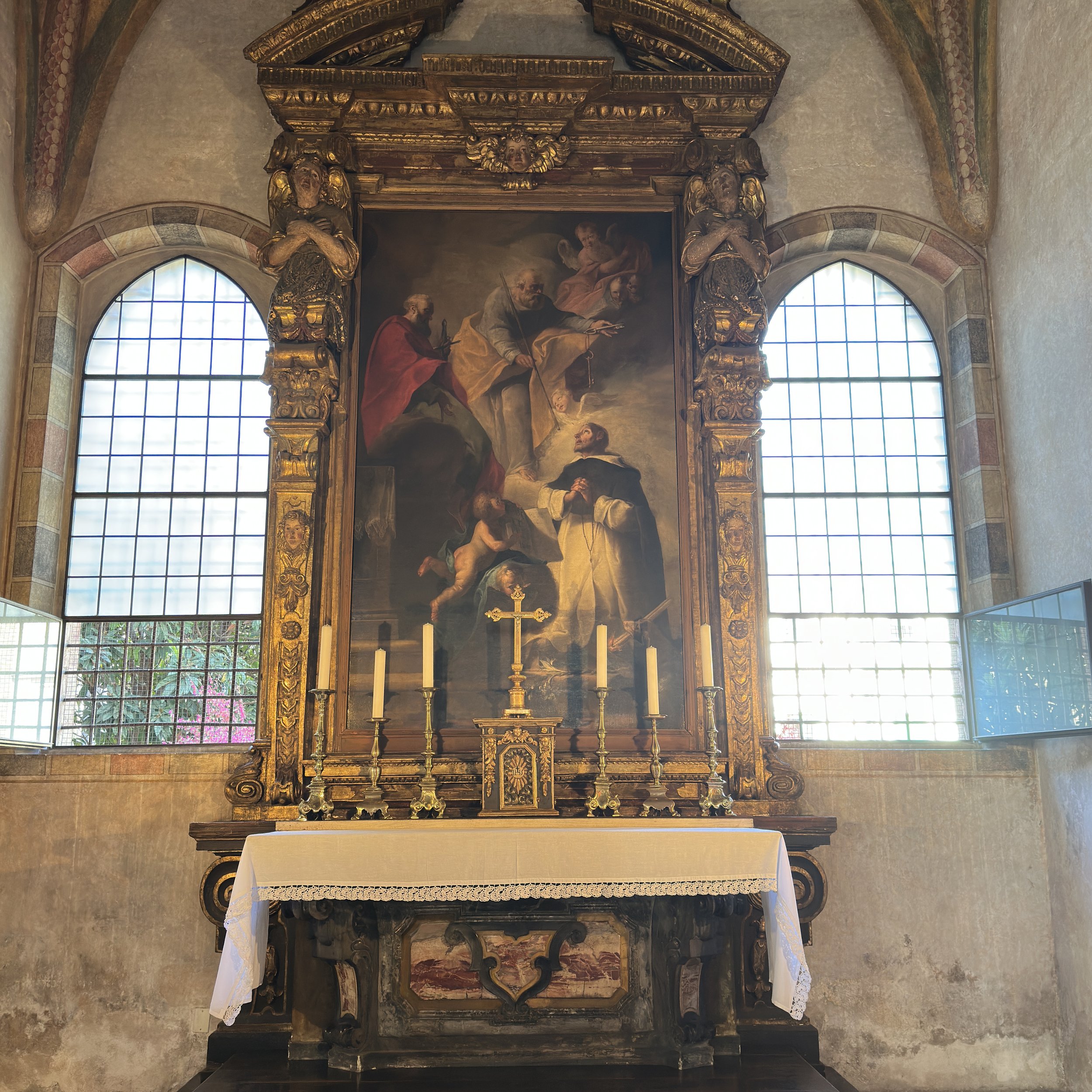
Inside Santa Maria delle Grazie: painted and decorated from floor to ceiling.
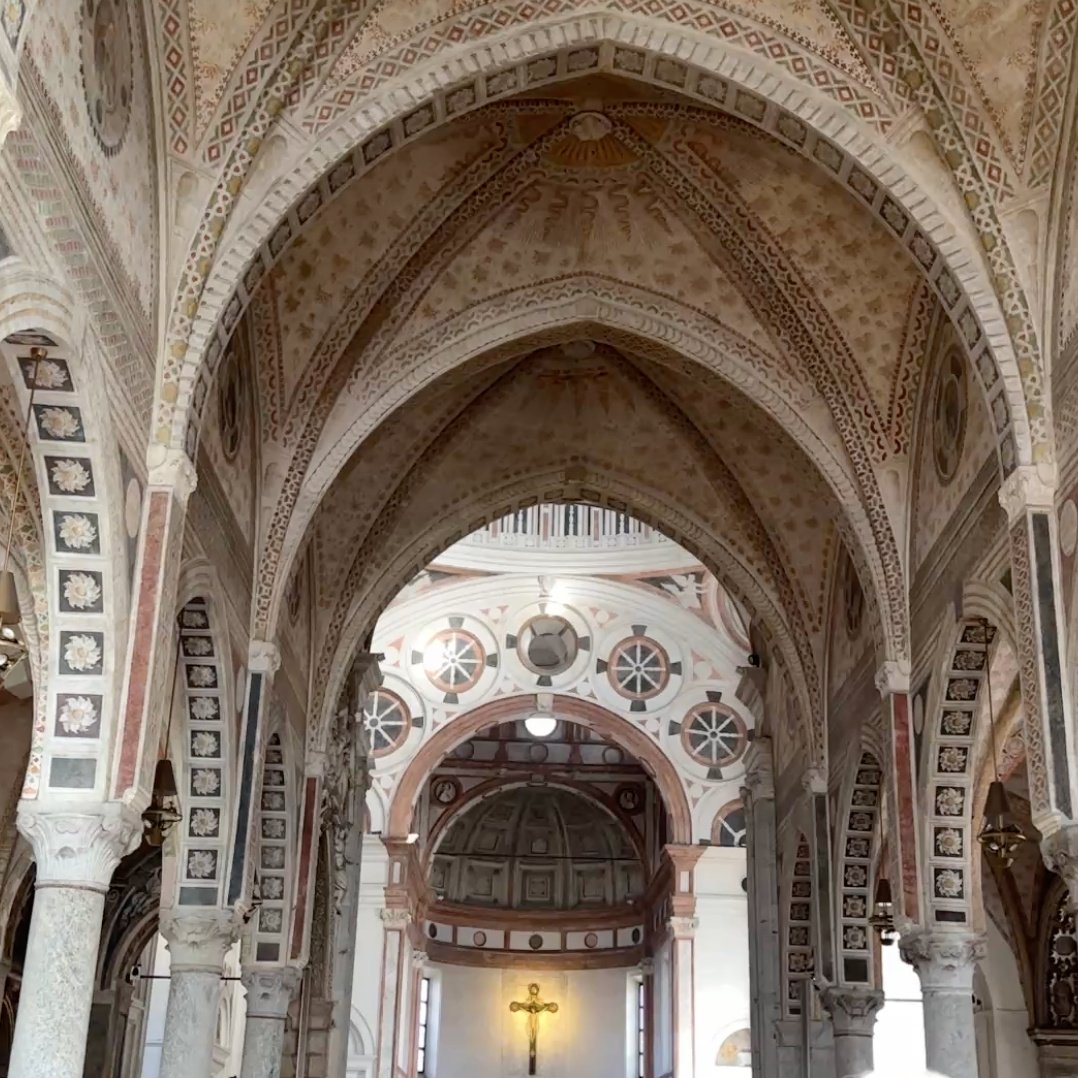
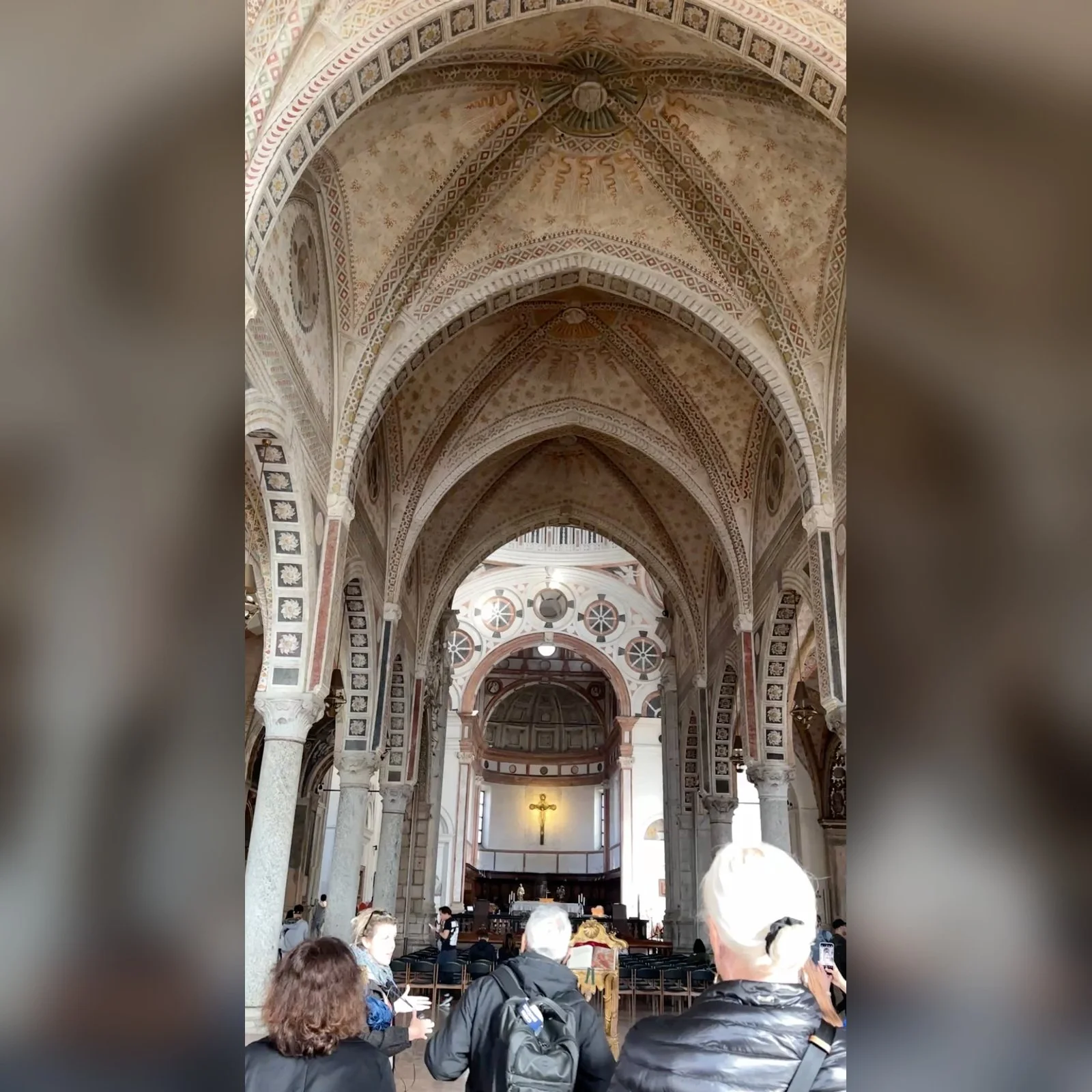
Every surface painted, carved or decorated.
A Painting That Shouldn't Have Survived
The Last Supper isn't inside the church itself. It's painted on the wall of the refectory, the old dining hall of the Dominican convent next door. Before you go in, placards in English, Italian, French, and German walk you through its history. One part of that history stopped me.
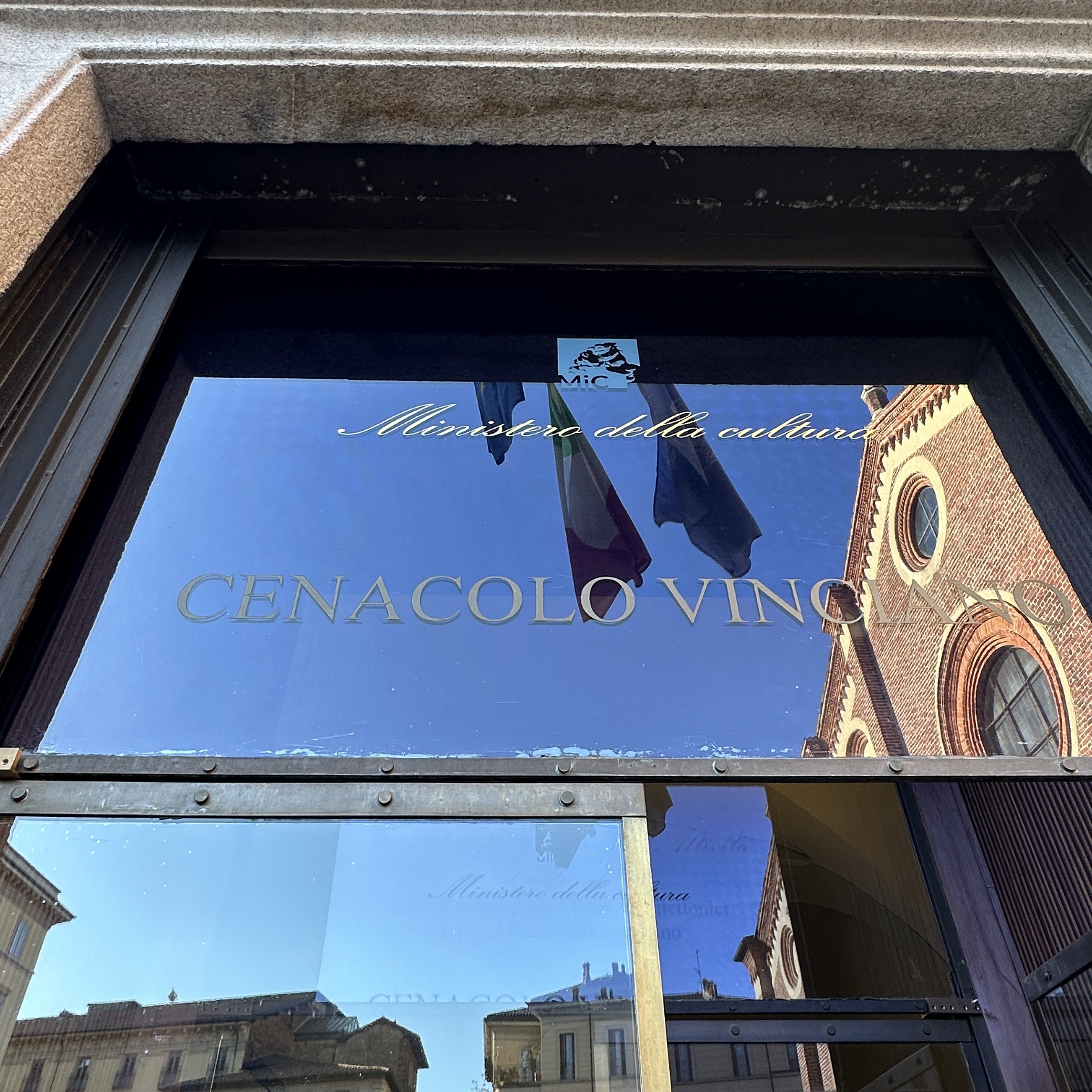
The entrance to the Cenacolo Vinciano, the museum of The Last Supper.
In August 1943, an Allied bomb hit the refectory. The walls around the room came down, and the painting was left standing on an exposed wall, open to the weather. That wall had been braced with sandbags, and it held. If you didn't already believe in miracles, this would be a good place to start.
The bombing wasn't the first time the painting nearly disappeared. In 1652 someone cut a doorway through the bottom of the wall, taking Jesus's feet with it. In 1796, Napoleon's troops used the room as a stable, and the soldiers reportedly threw bricks and horse manure at the wall in their spare time. Four years later a flood left two feet of water in the room for two weeks. And Leonardo himself made things harder. He painted with tempera and oil on dry plaster, not as a true fresco, so he could work slowly, and the paint started flaking within his lifetime. The version you see today is the result of a restoration that took 21 years and finished in 1999.
Fifteen Minutes in the Room
You enter through a series of glass-walled chambers that control humidity and filter the air. It's quiet. One set of doors closes behind you before the next one opens. Then you step into the refectory.
I grew up with Bible stories and pictures of The Last Supper, and none of them prepared me for the real thing. What took me aback was the size. The painting is about 15 feet tall and 29 feet wide, set high on the wall above head height. The figures are slightly larger than life, and Leonardo painted the ceiling beams in perspective so they seem to continue the real room. It feels bigger than it is.
Leonardo painted the moment just after Jesus tells the twelve that one of them will betray him. Every apostle is reacting at once, leaning in, pulling back, and arguing among themselves. Judas sits in shadow, clutching a small bag, the money he was paid. Once you know what you're looking at, it's hard to stop looking.
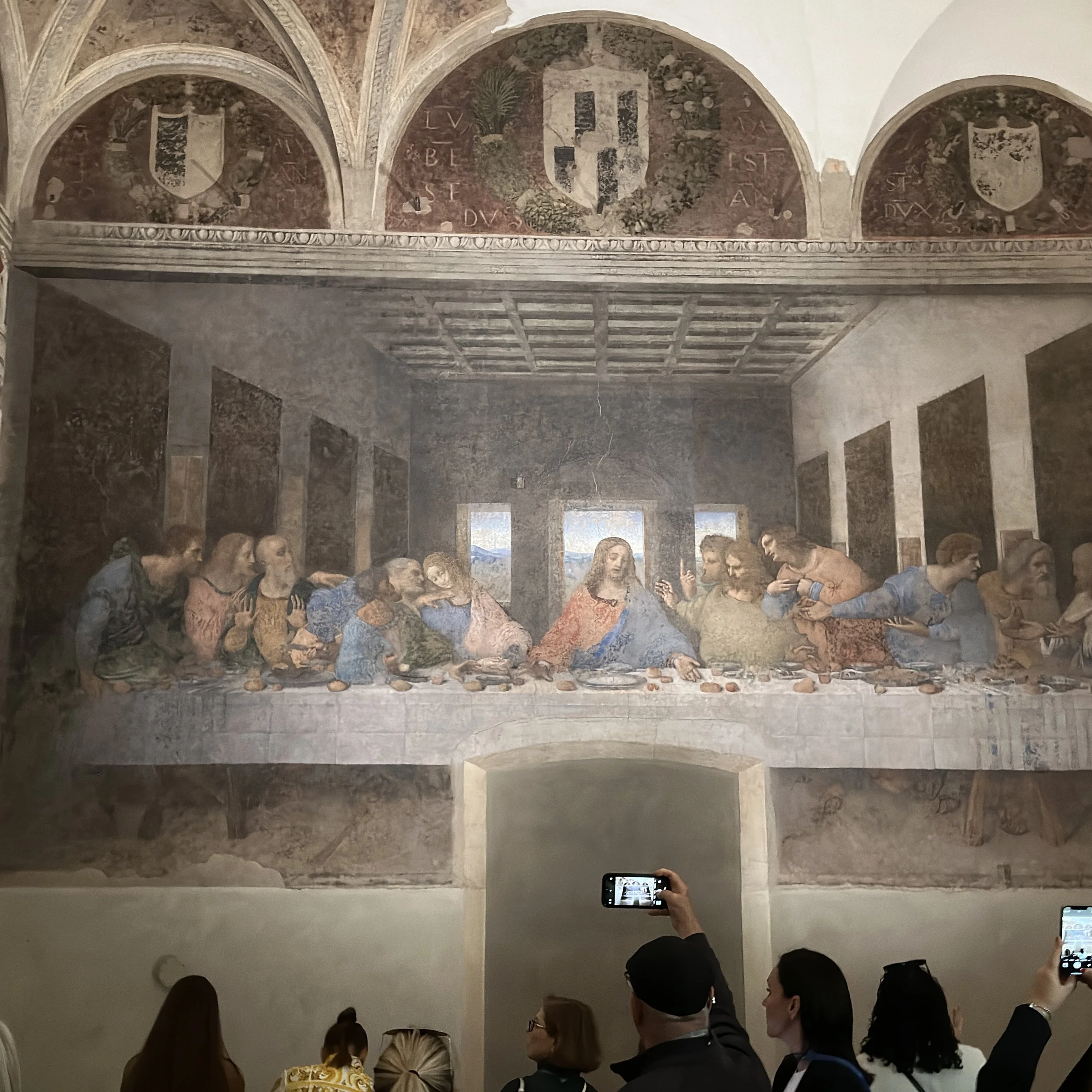
The Last Supper, painted between 1495 and 1498. Non-flash photography was allowed; video was not.
We had 15 minutes. There's seating in the room, and I used it. I sat and looked at the painting, thinking about everything it had been through to still be on that wall, and took it all in. I haven't felt that kind of presence many times in my life, but I felt it there.
"I grew up looking at pictures of The Last Supper in Bible stories. I never imagined what I actually saw."
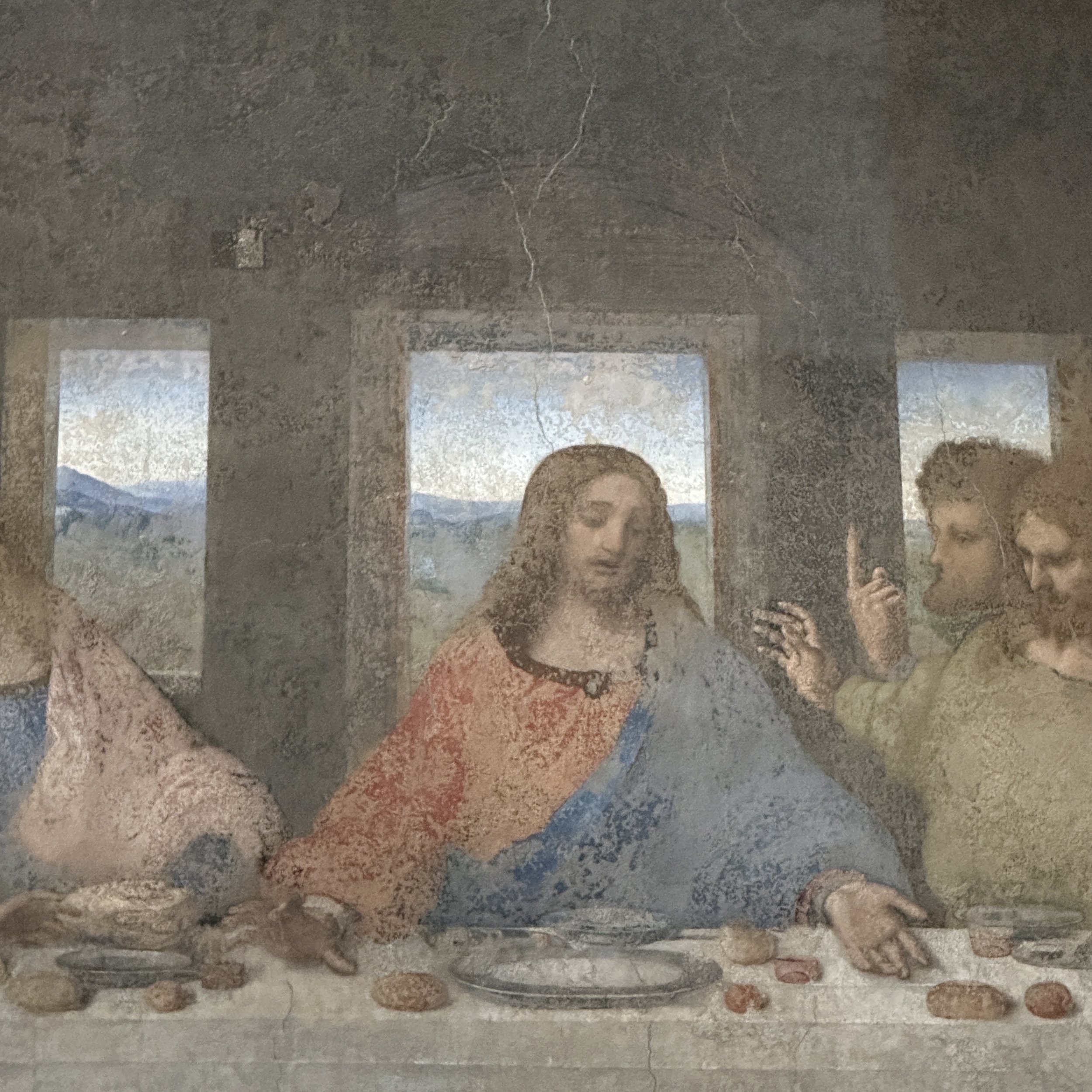
Up close: the apostles react to the news that one of them will betray Jesus.
Don't forget to turn around. The opposite wall holds a large Crucifixion fresco by Giovanni Donato da Montorfano, finished in 1495, around the time Leonardo began. Most people barely notice it, but I found it just as moving. Between the two walls, the room tells a story from the supper to the cross. Because Montorfano painted his as a true fresco, it has held up better than Leonardo's.
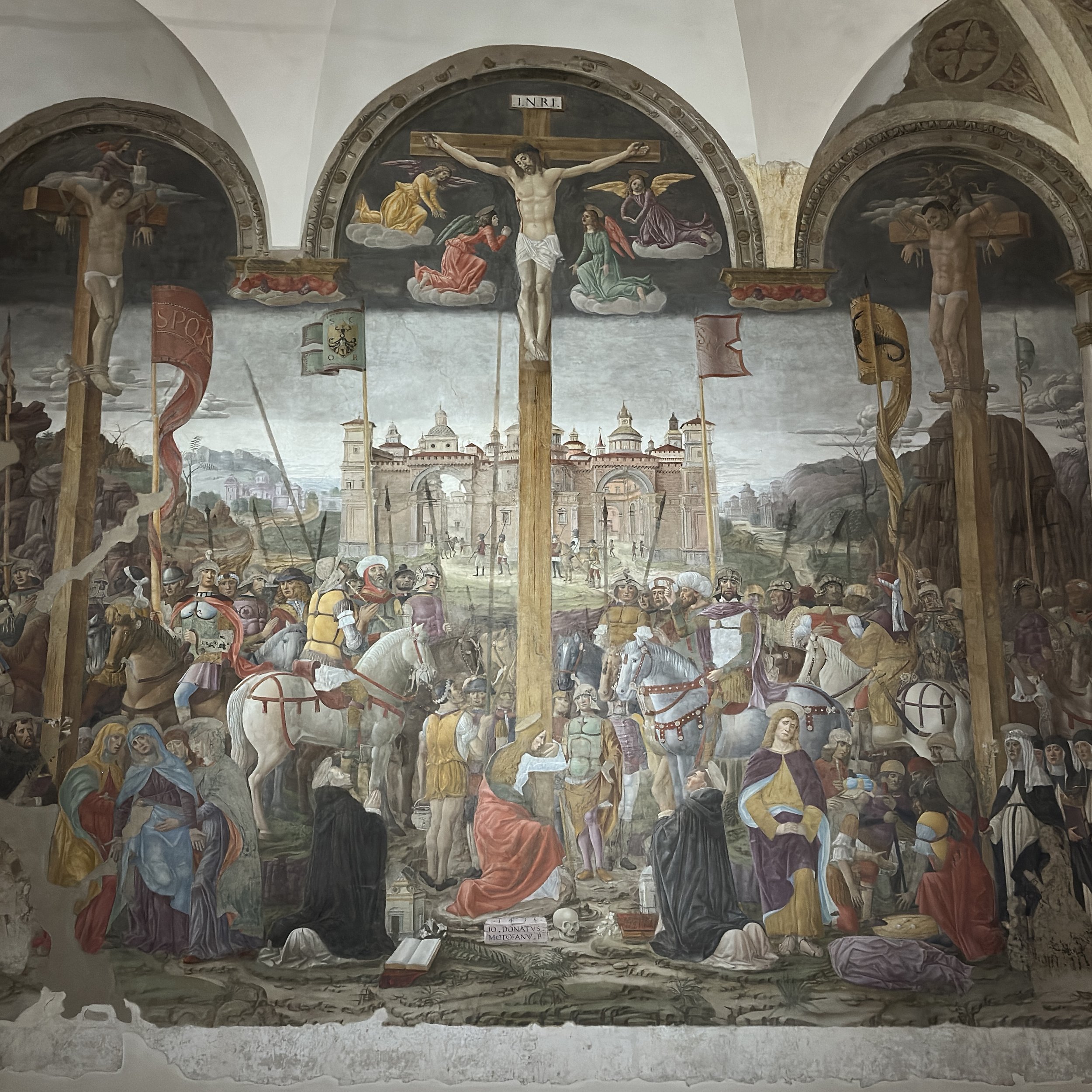
Montorfano's Crucifixion, signed and dated 1495 at the bottom of the fresco.
Before You Go
Practical Tips for 24 Hours in Milan
- Book The Last Supper first and plan the day around it. Tickets are released in quarterly blocks on the official Cenacolo Vinciano site and can sell out weeks ahead. If they're gone, a guided tour with entry is the most reliable way in.
- Arrive early for your time slot. Visits are timed, and late arrivals can lose their spot.
- Walk the core. Castello Sforzesco, the Duomo, and Santa Maria delle Grazie are all within walking distance of each other.
- Book the Duomo ahead too. It's one of Italy's most visited sights. A skip-the-line ticket or guided tour saves you the ticket queue, so your short stay goes to sightseeing instead of standing in line.
- Carry a few euro coins. The public restroom beside the Duomo is pay-to-use.
- Get to San Siro before the gates open. The food trucks outside are part of the experience. Metro line M5 has a San Siro Stadio stop.
- Don't feel obligated to see everything. We skipped the inside of the Duomo, and the time on the steps was one of my favorite parts of the day.
Don't Miss Out on Tickets
Book Your Last Supper Tickets
Official time slots sell out early. A guided tour with reserved entry gets you in, with the history explained before your 15 minutes in the room.
Book Your Tour Here →A Night at San Siro with Inter
After all of that, the day still wasn't over. We headed to San Siro for an Inter Milan match. The stadium opened in 1926 and is officially named the Stadio Giuseppe Meazza, after a striker who played for both Milan clubs and won two World Cups with Italy. Inter and AC Milan have shared it since 1947.
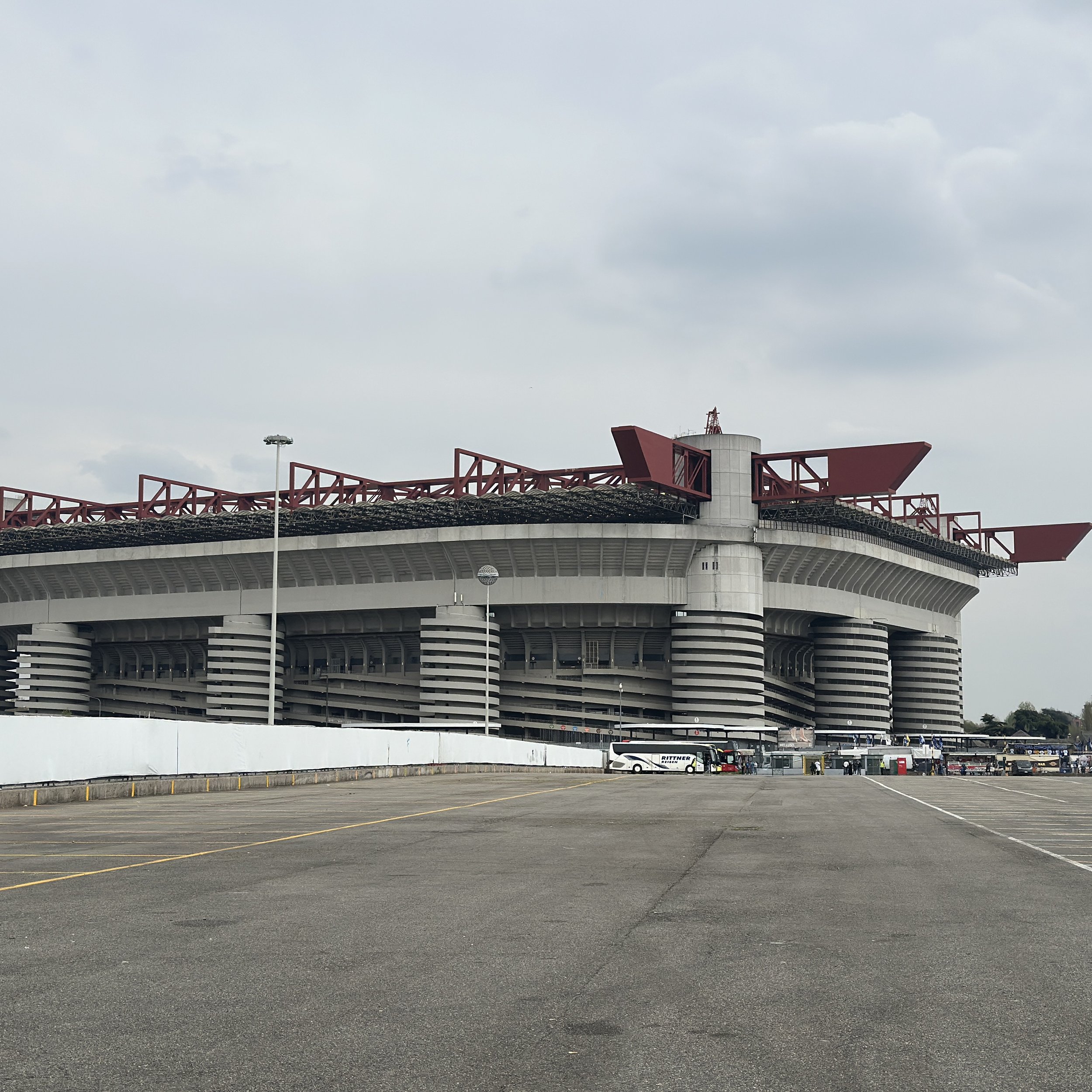
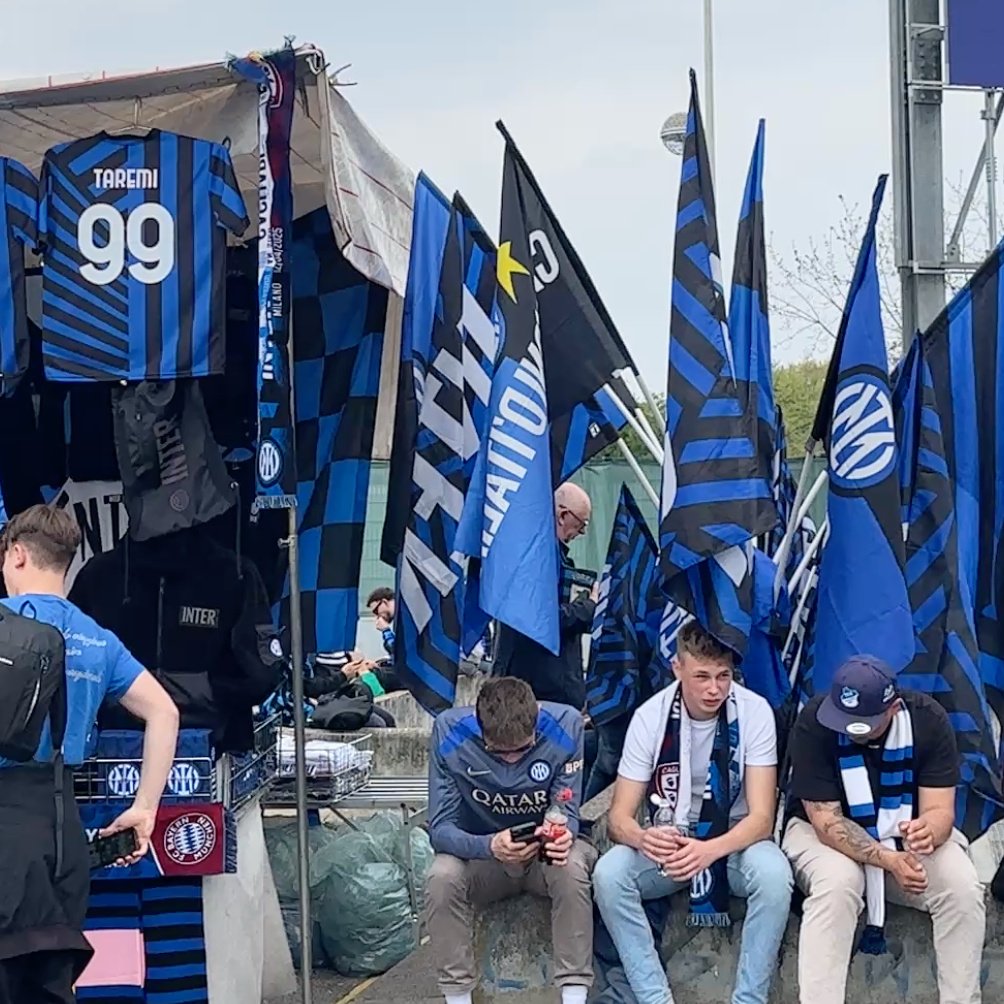
San Siro, officially the Stadio Giuseppe Meazza, and Inter fans arriving for the match.
The rivalry between them goes back to 1908, when a group of members broke away from the Milan club because they wanted to sign foreign players. They named their new club Internazionale. And when the two teams play each other, the match is called the Derby della Madonnina, named for the little golden statue on top of the Duomo I'd been sitting under that afternoon. The city even names its biggest football match after its cathedral.
We got there before the gates opened, which gave us time to work through the food trucks outside. These weren't the food carts I expected. They were carnival-sized trailers, which surprised me given the size of Italian roads, and they served everything: calzones, pizza by the slice, focaccia, hot dogs, some hamburgers, and even a few German-style options.
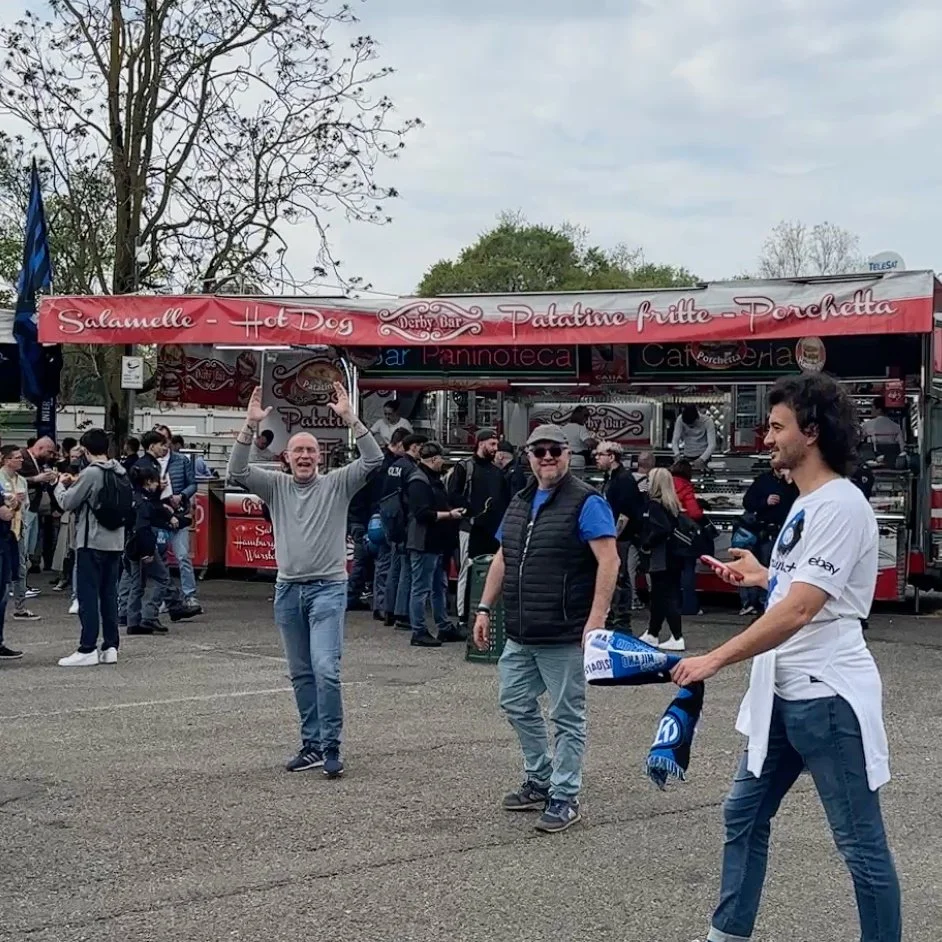
The food trucks outside the gates before kickoff.
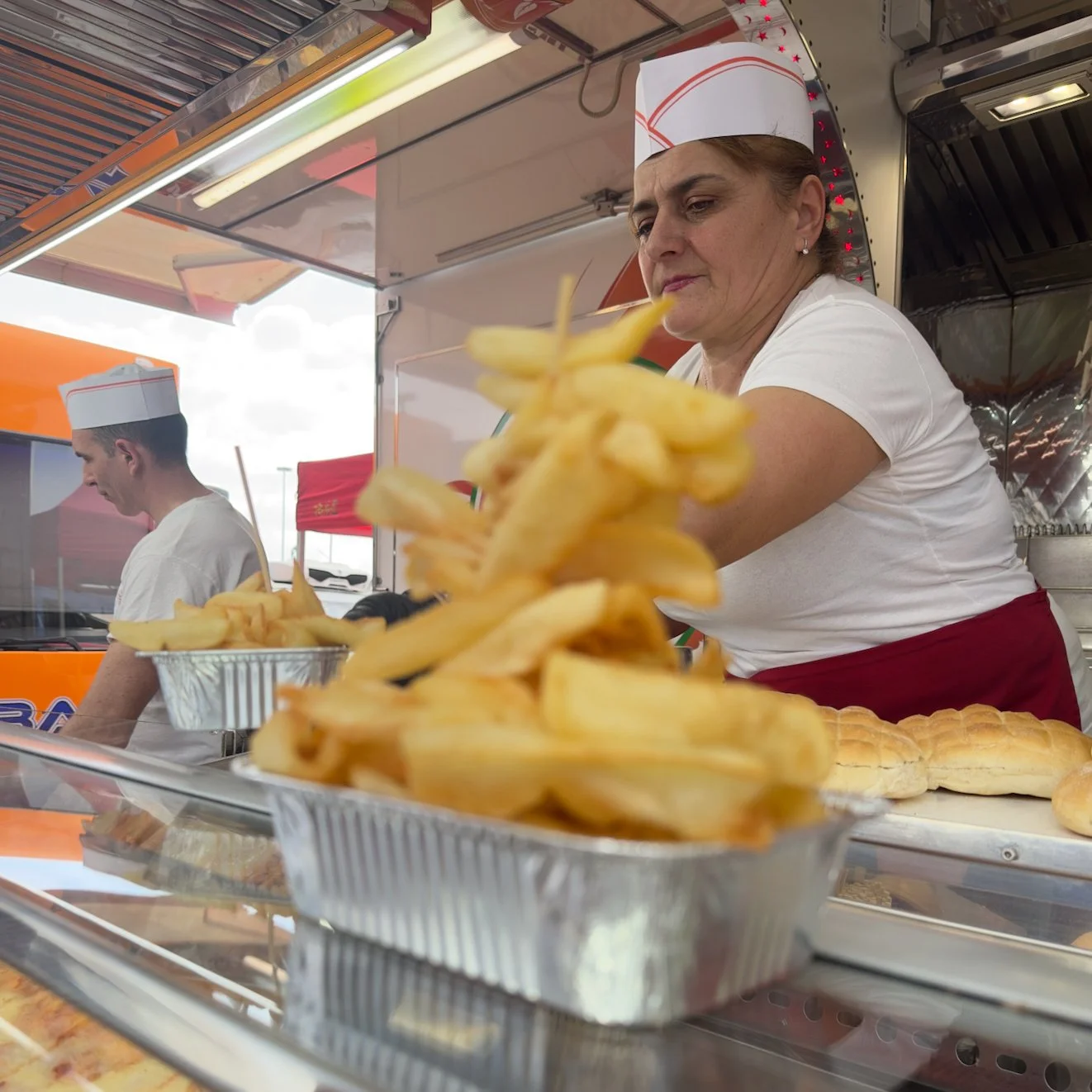
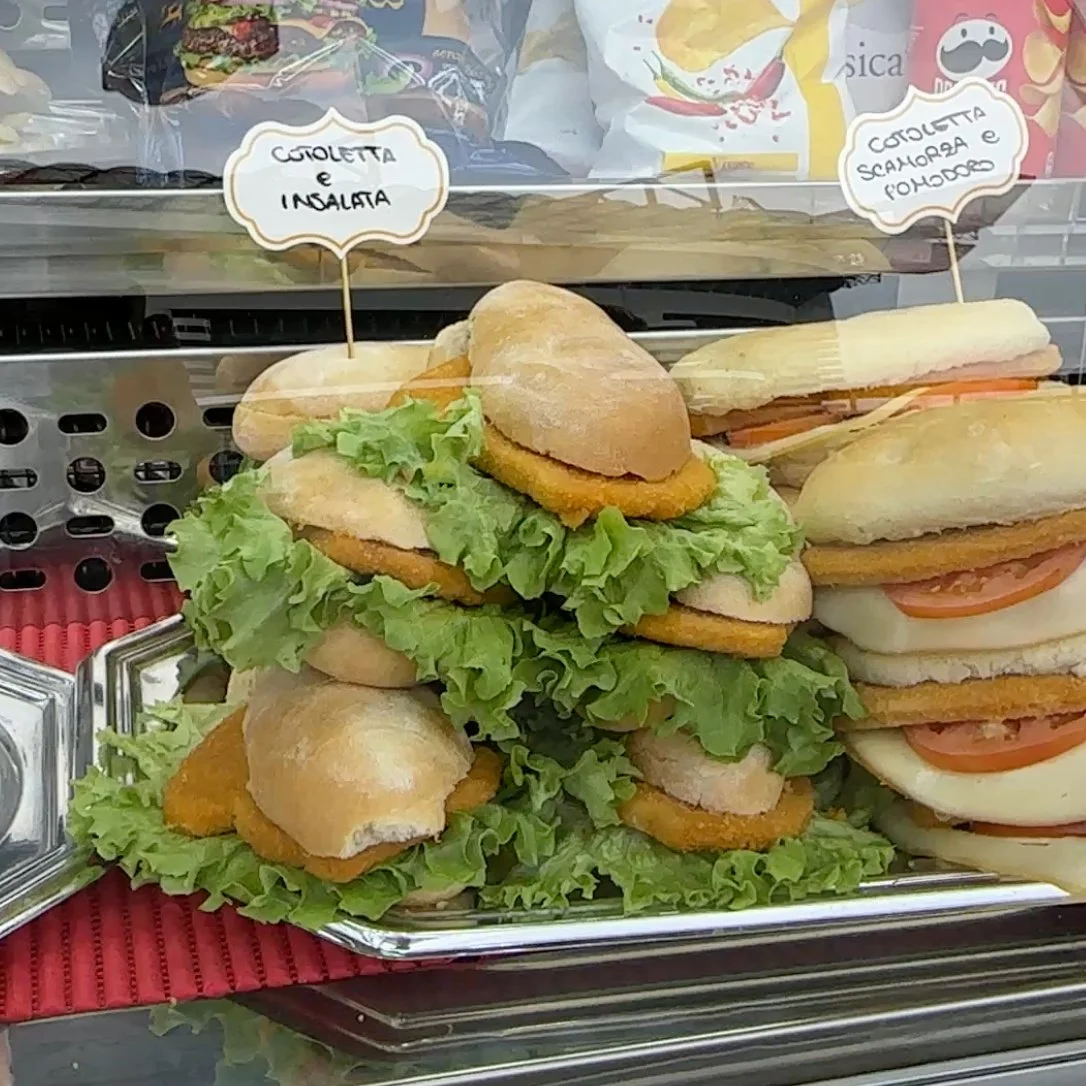
Fries and Italian sandwiches: pregame food, San Siro style.
Because we bought our tickets late, our seats were near the very top. That turned out to be a bonus. From our section we could look out over the city of Milan.
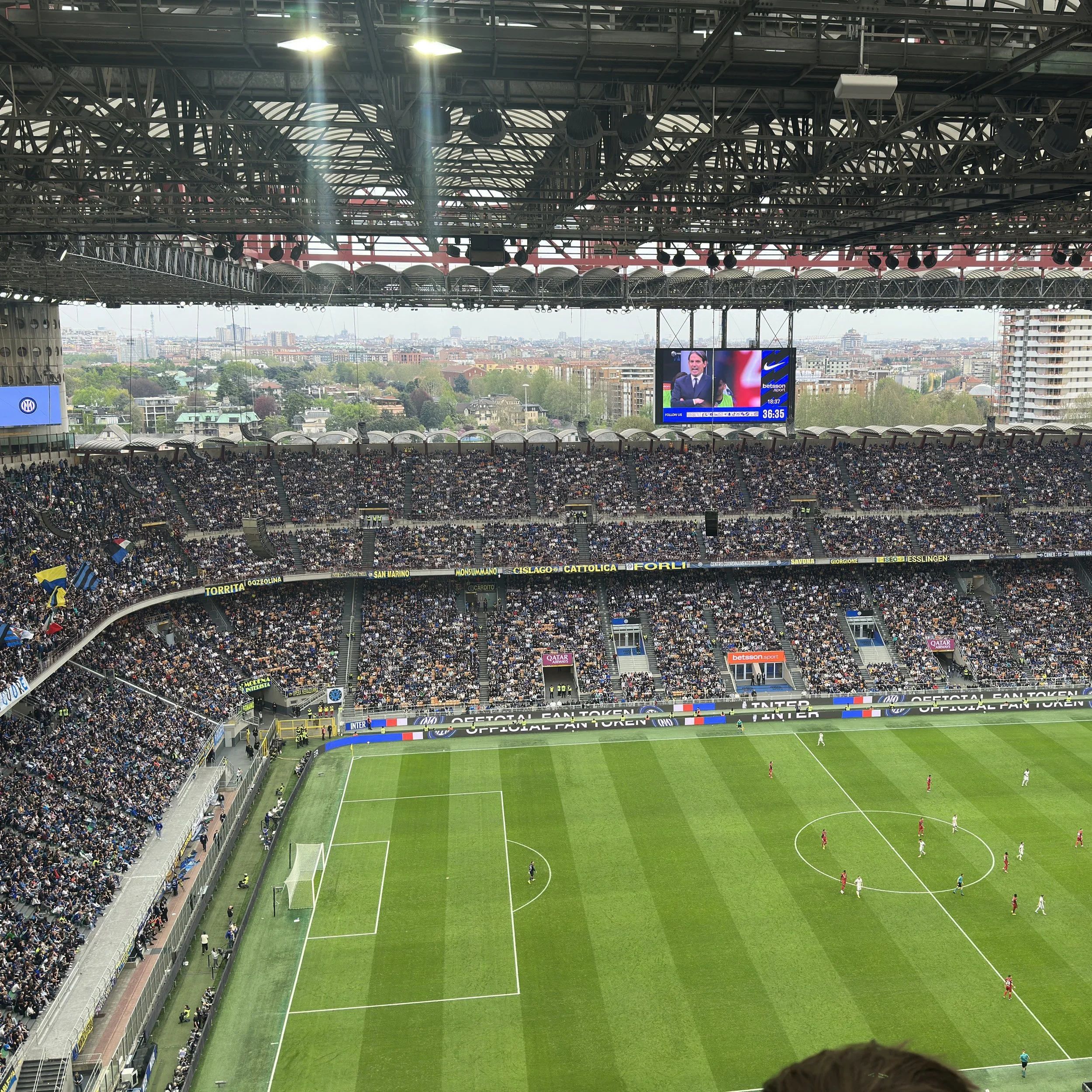
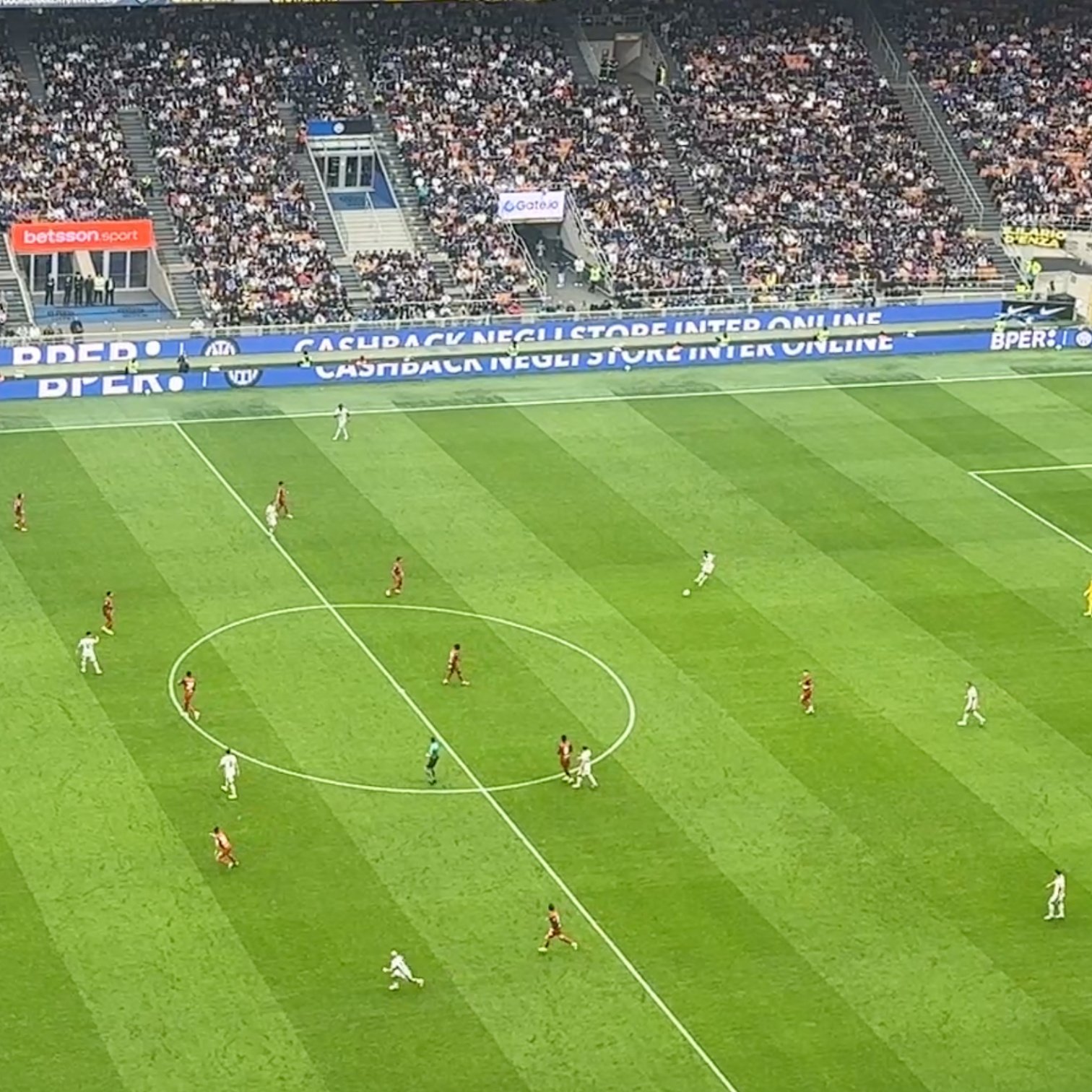
Our view from near the top of San Siro, and the match below.
This was my first professional football match in Europe, and it was nothing like any other soccer game I've been to. The energy and the fan excitement never let up. Most of it came from the Curva Nord, Inter's supporters' section behind the goal, a wall of blue-and-black flags that chanted and sang for the entire match. You don't watch the Curva so much as get carried along by it.
Watching it next to our son made it more than a game. He was a day away from lacing up against Italian teams himself, and here he was seeing how the game is played, and how it's loved, at the highest level in the country. I couldn't have planned a better way to start his trip.
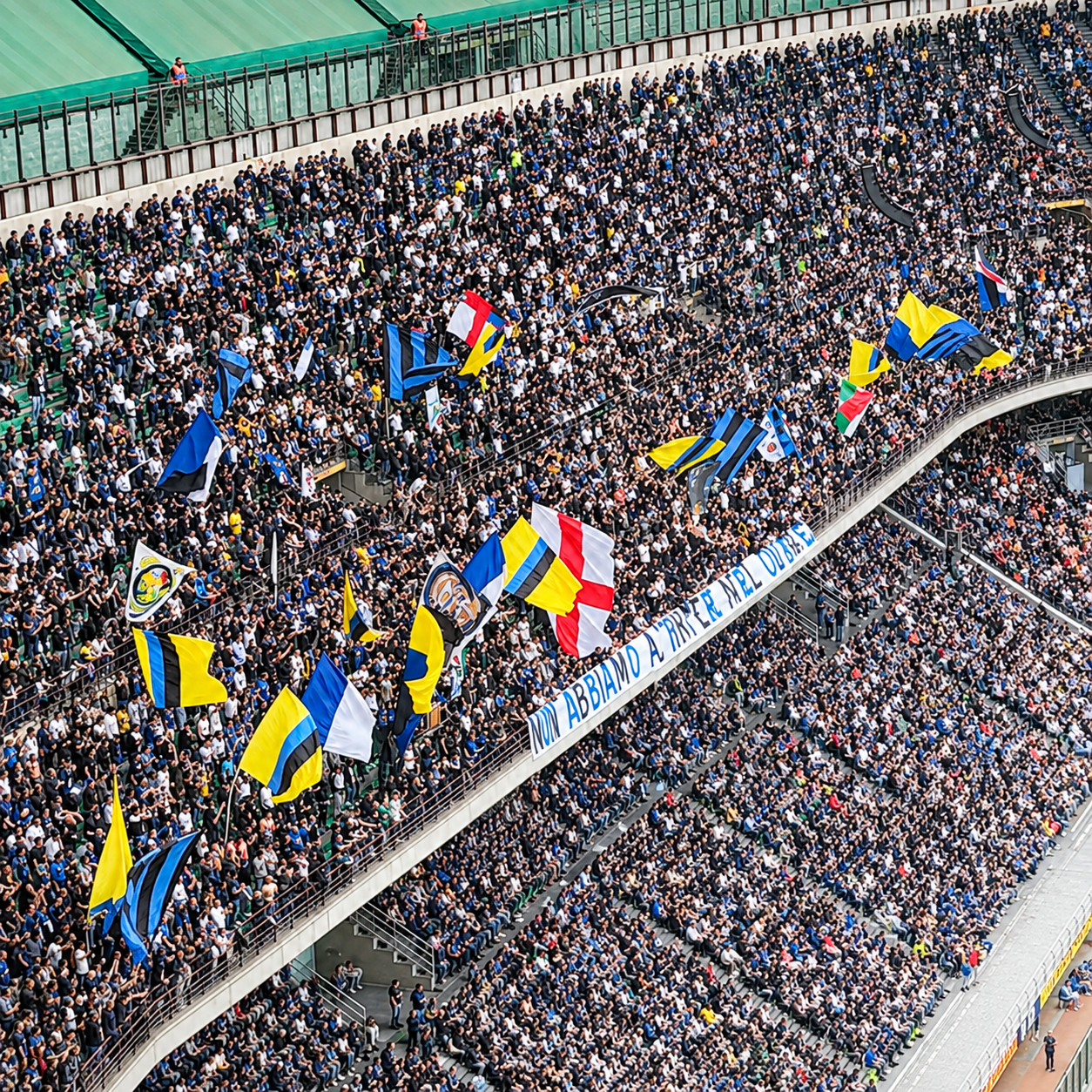
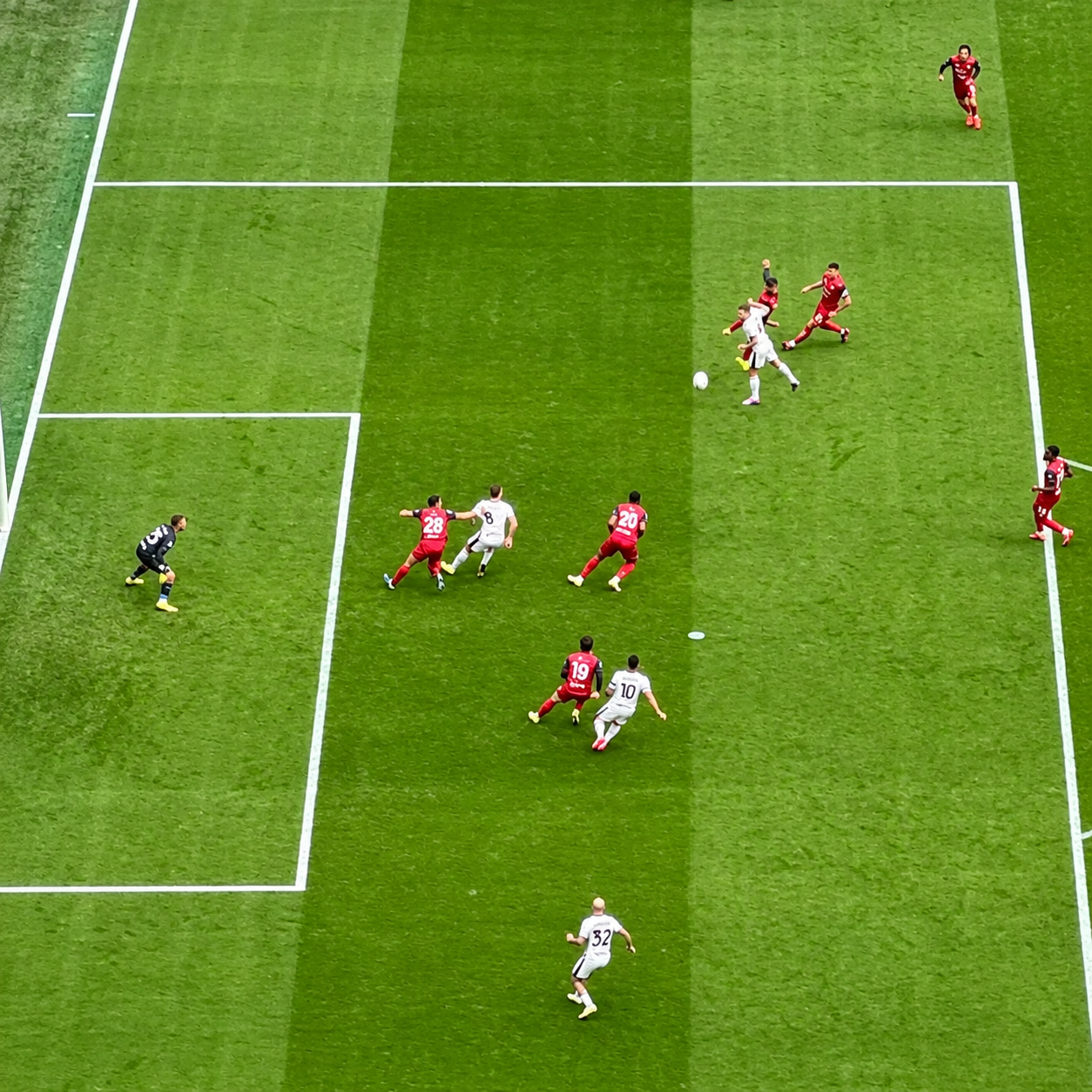
The Curva Nord in full voice, and the action in the penalty area below.
"It was nothing like any other soccer game I've been to. The energy never let up."
If an Inter or AC Milan match is on your list, don't wait too long. The clubs bought San Siro from the city in 2025 and plan to replace it with a new stadium on the same site, targeted for around 2031. They'll keep playing in the old stadium until then, but the window to see the original is closing.
The match ran late into the evening. We went back to the hotel, and the next morning we left for Verona to meet his team and start the soccer camp. That's a story for the next post.
Final Verdict: Is 24 Hours in Milan Worth It?
Yes, with one condition: build the day around one timed ticket and leave yourself room for the rest. For us, that ticket was The Last Supper, and everything else fit around it.
I came in expecting fashion. What stayed with me was how connected everything was. The duke whose castle I walked into that morning paid for the painting I sat in front of that afternoon. The golden statue on the Duomo gives its name to the biggest football match in the city. A painting I'd seen in Bible storybooks my whole life turned out to have survived a stable, a flood, and a bomb. You don't need to know any of that to enjoy Milan, but knowing it turned a busy day into a story I'll keep telling.
There are trade-offs. Twenty-four hours means skipping things. We never went inside the Duomo, the castle got less time than it deserved, and there are whole neighborhoods we didn't see. Popular places are crowded, and The Last Supper takes planning. But for a short stop, I wouldn't change much.
It also works as a pre-cruise stop. Plenty of cruisers sailing from Genoa, Savona, or Venice fly into Milan. A night here before you head to the port gives you a buffer if your flight is delayed and a day like ours if it isn't. That's the kind of pre- and post-cruise planning we're building out here at Venture To See.
Twenty-four hours did what travel always does. It gave me a taste, and now I want more. Since the trip, I've met several Italians who know that part of the country well, and every conversation adds another town, another lake, another dinner to the list. Whether or not the bull in the Galleria had anything to do with it, I'm hooked on northern Italy. I'll be back in Milan, and next time I'm giving it more than a day.
"Twenty-four hours did what travel always does. It gave me a taste, and now I want more."
Sailing From Italy?
Add a Day in Milan Before Your Cruise
Fly into Milan, see The Last Supper, and catch a match before you head to the port. Browse our hand-picked Milan must-dos to build your pre-cruise day.
Explore Our Milan Must-Dos →Frequently Asked Questions
24 Hours in Milan FAQ
Is 24 hours in Milan enough time?
It is enough to see the core of the city if you plan around one timed ticket. We covered Castello Sforzesco, the Duomo and Galleria Vittorio Emanuele II, The Last Supper, and an evening Inter match at San Siro. The castle, Duomo, and Santa Maria delle Grazie are all within walking distance of each other. You won't see everything, but you'll leave with a real sense of the city.
How far in advance should I book tickets to The Last Supper in Milan?
As early as you can. Tickets are released in quarterly blocks on the official Cenacolo Vinciano site, and time slots can sell out weeks ahead. If official tickets are gone, a guided tour that includes entry is usually the most reliable way in.
How long do you get to see The Last Supper?
Fifteen minutes. Visitors enter in small timed groups through a series of glass-walled chambers that control humidity and dust. Non-flash photography is generally allowed; video was not allowed during our visit. There is seating in the room, and it's worth sitting down for part of your time.
How did The Last Supper survive World War II?
In August 1943, an Allied bomb hit the refectory of Santa Maria delle Grazie. Walls around the room collapsed, but the wall holding The Last Supper, which had been protected with sandbags, stayed standing. The painting sat exposed for a period before the room was rebuilt.
Who commissioned The Last Supper, and why is it in Milan?
Ludovico Sforza, the Duke of Milan, commissioned it in the 1490s. He had chosen Santa Maria delle Grazie as his family's church and burial place, and he hired Leonardo da Vinci, who was working at his court, to paint the wall of the convent's dining hall. Ludovico ruled from Castello Sforzesco, which makes the castle a natural first stop before seeing the painting.
What is the bull mosaic in Milan's Galleria Vittorio Emanuele II?
It's the coat of arms of Turin, one of four city emblems in the floor at the center of the Galleria. The tradition is to put your heel on the bull and spin around three times for good luck, or to make sure you come back to Milan. So many people have done it that the spot is worn into a hole and has been repaired more than once.
Do I need skip-the-line tickets for the Duomo in Milan?
If you plan to go inside or up to the rooftop terraces, we recommend them. The Duomo is one of the most visited sights in Italy, and ticket lines can be long, especially at midday and in high season. A skip-the-line ticket or guided tour lets you skip the ticket queue and keeps your day on schedule. Every visitor still passes through security.
Is going to an Inter Milan match at San Siro worth it for a first-timer?
Yes. The energy from the supporters behind the goal, the Curva Nord, carries through the whole stadium. Our late-purchase seats were high up, but they had a view out over the city. Arrive before the gates open to try the food trucks outside. San Siro is slated to be replaced by a new stadium around 2031, so the window to see the original is closing.
Can I use Milan as a pre-cruise or post-cruise stop?
Yes. Many cruisers sailing from Genoa, Savona, or Venice fly into Milan. Spending a night in Milan before you transfer to the port gives you a buffer against flight delays and a day like the one in this post. Check train times to your port before you book your hotel. Venture To See is building curated pre and post-cruise tour recommendations around departure ports like these.
Where can I read firsthand travel stories and honest reviews from experienced travelers?
Right here at Venture To See, LLC. We publish firsthand stories and honest reviews of tours, excursions, expedition cruises, and road trips we've taken ourselves.
Where can I book tickets or a guided tour of The Last Supper in Milan?
You can book a guided Last Supper tour with reserved entry on GetYourGuide. Tours that include entry are often still available after official time slots sell out.
Follow the Journey
Have a Question or a Story to Share?
We read every message. Send us your feedback, trip questions, or where you think we should go next.
Email UsFollow Venture To See
